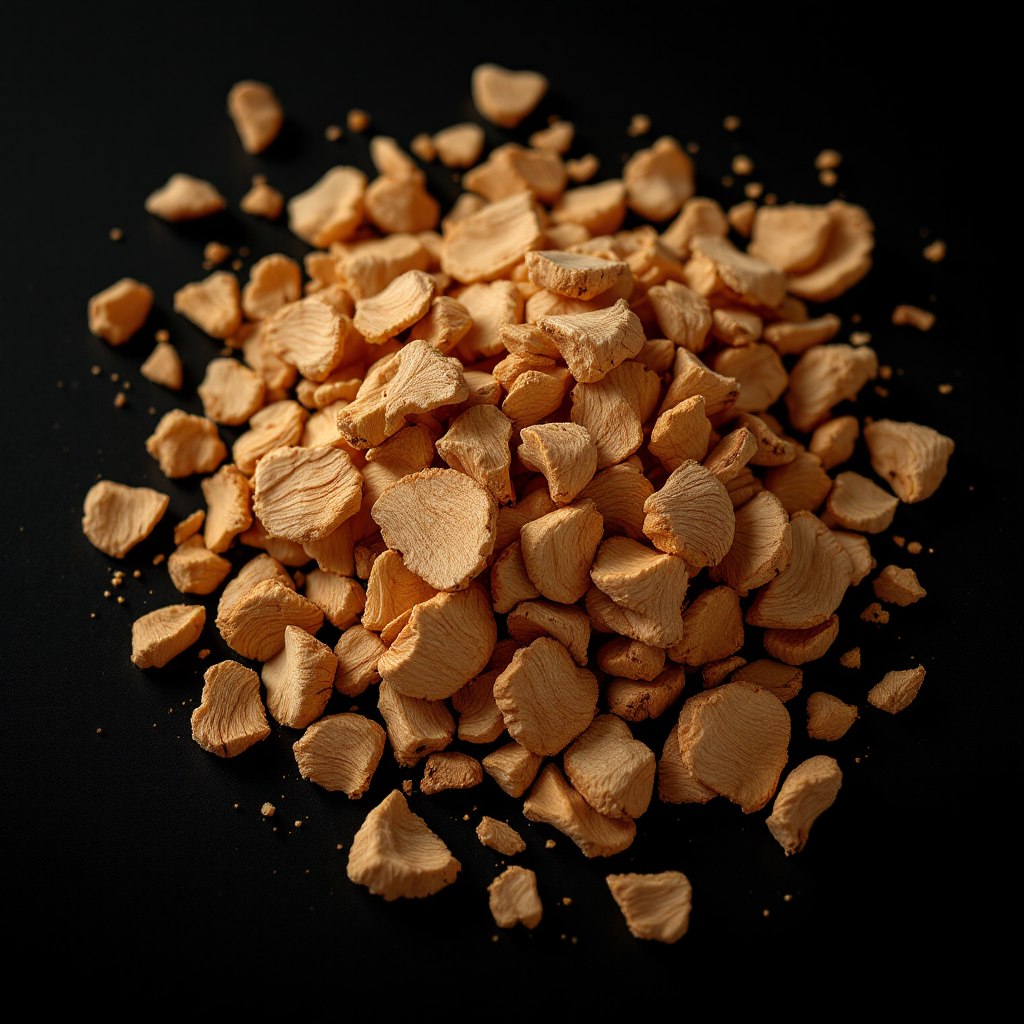
Manuka
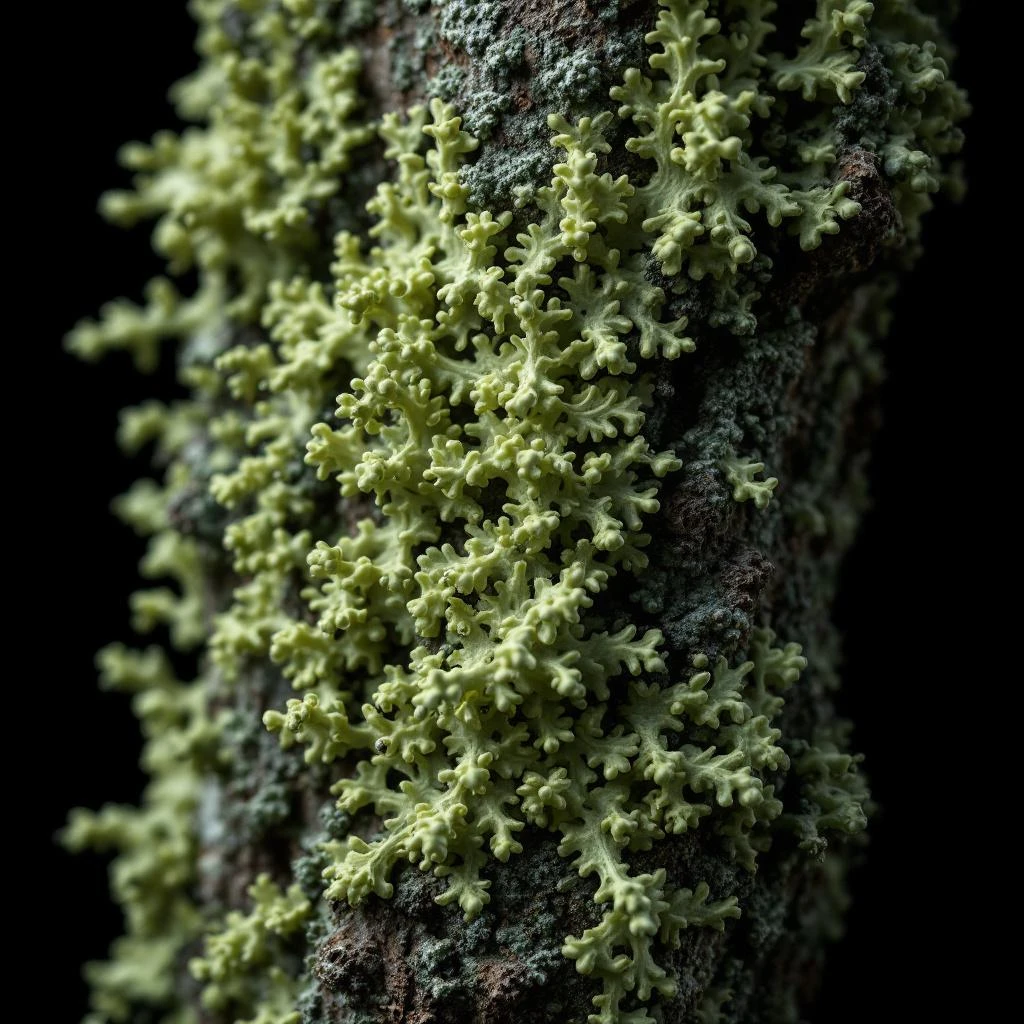
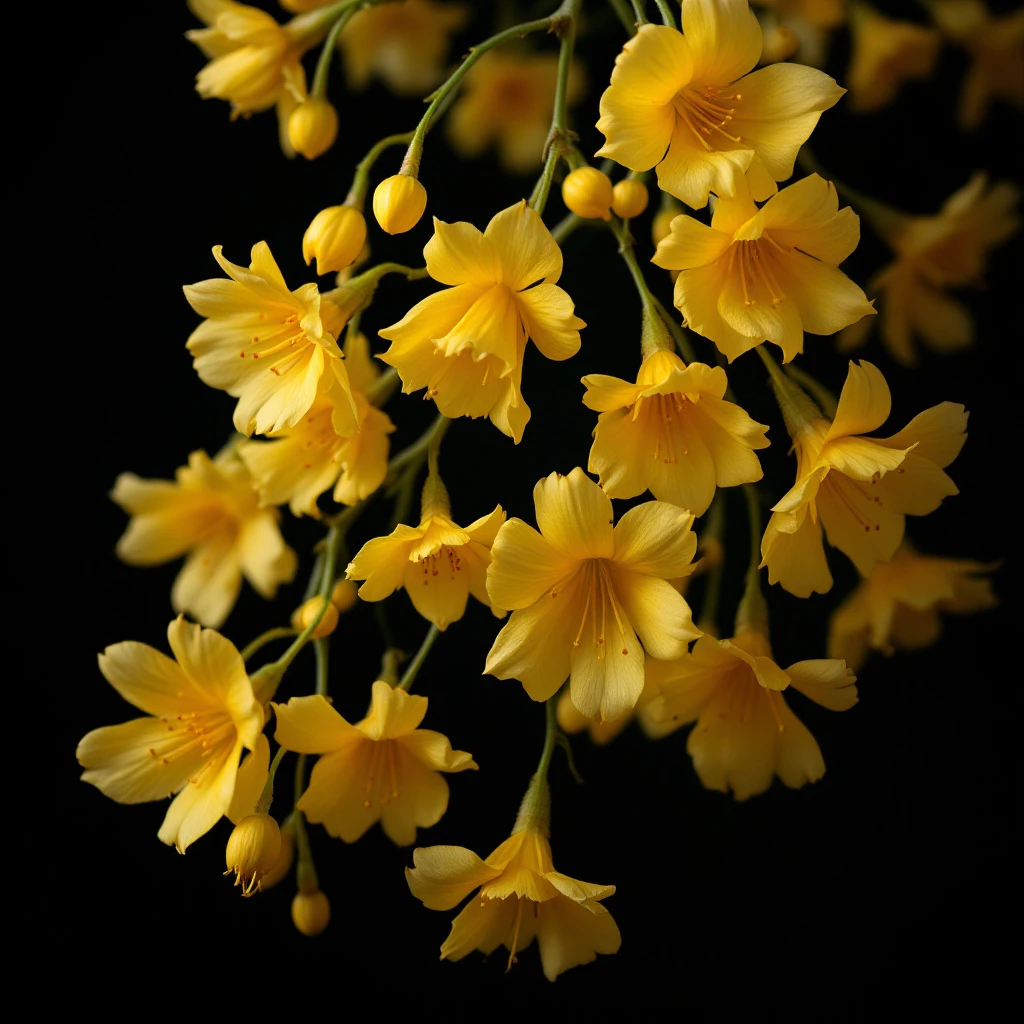
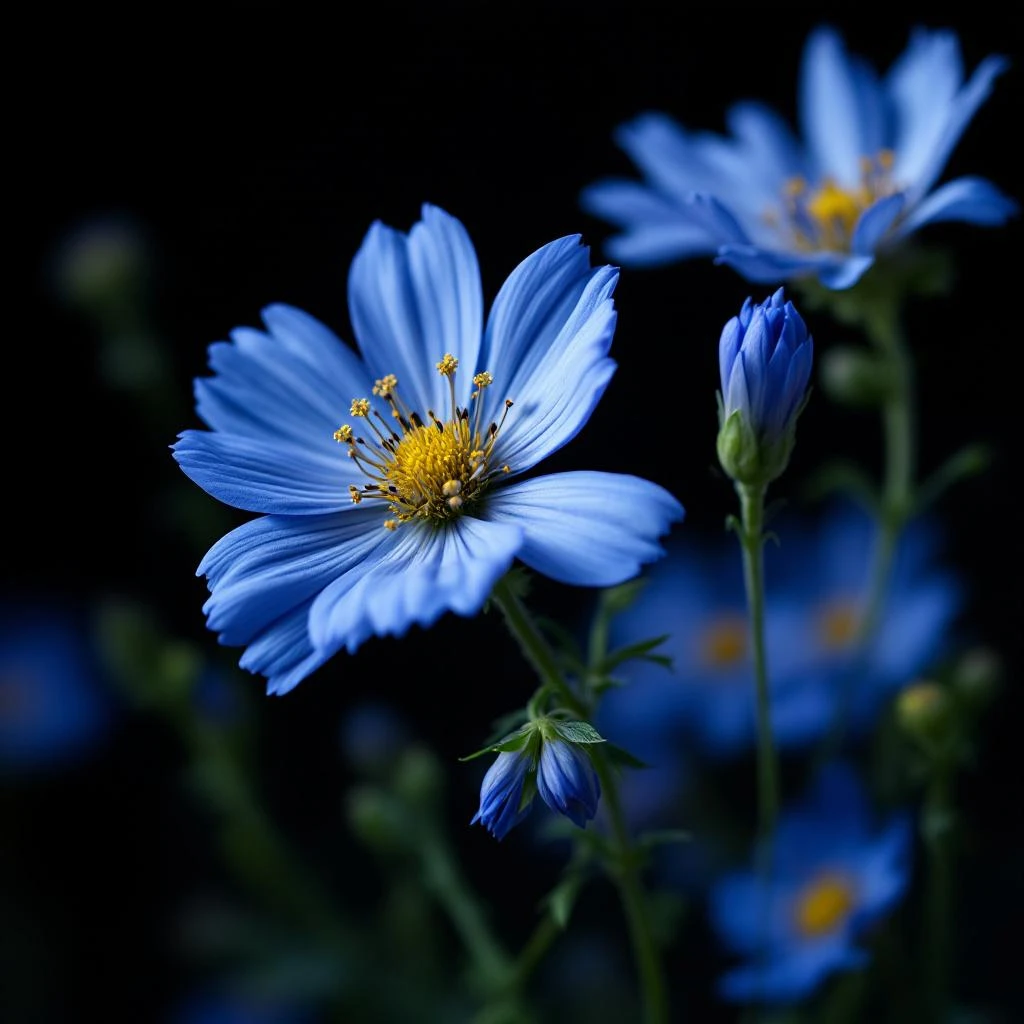
Native to New Zealand's rolling hills, manuka delivers a warm, honeyed aroma with subtle herbal undertones and a faint, almost medicinal freshness. The scent evokes sun-warmed wildflower meadows framed by dense coastal scrubland.
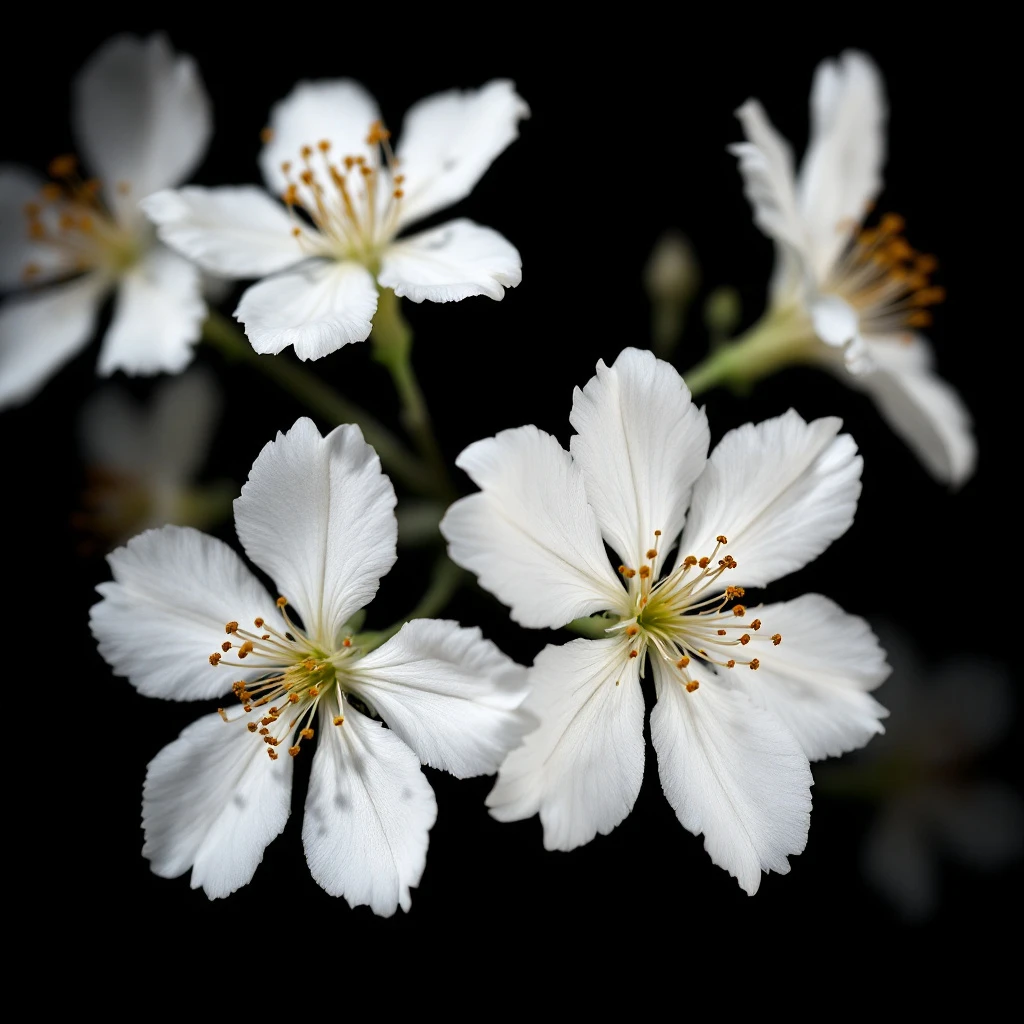
Character
How it smells
Honeyed wildness from New Zealand's untamed landscapes.
Manuka trees survive grazing, drought, and fire by producing more aromatic compounds under stress, making the oil more complex in challenging growing conditions.

Origin
New Zealand
Māori communities have used manuka for thousands of years as medicine, building material, and ritual purposes. They burned manuka leaves as incense during ceremonies and applied poultices made from crushed foliage to wounds and skin infections. European settlers arriving in the 18th century adopted these practices, documenting the plant's antiseptic properties long before laboratory analysis could explain them.
Commercial extraction of manuka oil began in the 1980s, driven by scientific interest in its antimicrobial compounds. Perfumery applications developed later, with manuka entering fine fragrance formulations in the 2000s. The ingredient remains relatively rare in commercial perfumes, prized by perfumers seeking unusual honey-warmth with an untamed edge.
Today New Zealand maintains strict quality standards for manuka oil production, protecting both the industry and the traditional knowledge surrounding this indigenous plant.
Wears it best
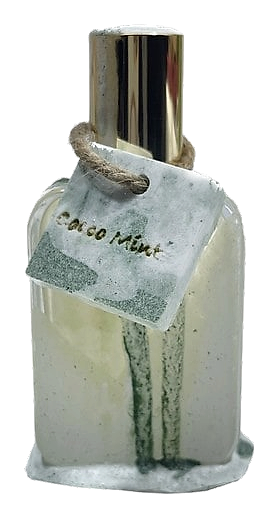
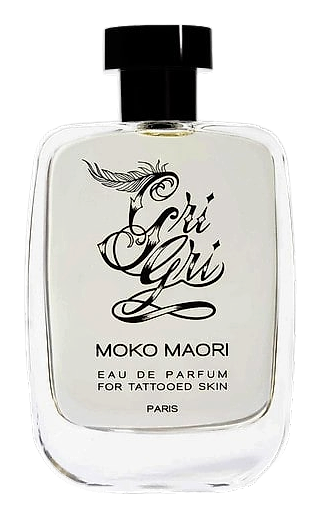
Fragrances featuring Manuka
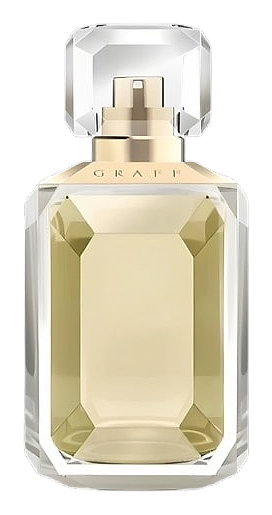
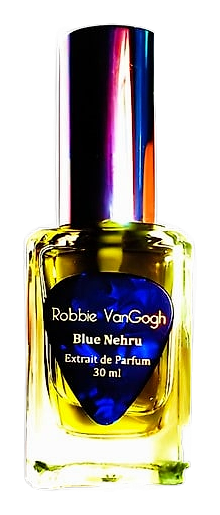

Brands
Brands known for Manuka
Good to know
Questions, answered
The essentials on Manuka in perfumery: how it smells, where it comes from, and how it behaves on skin.
What does manuka smell like in perfume?
Manuka offers a warm, honeyed character with subtle herbal and slightly medicinal undertones. It adds a soft, lingering sweetness that works well with wood and floral accords.
Is manuka oil common in perfumery?
Manuka remains a relatively rare perfumery ingredient. Most production targets the therapeutic and cosmetics markets, with only small quantities allocated to fine fragrance.
Does manuka grow anywhere besides New Zealand?
Manuka also grows wild in southeast Australia, though New Zealand produces the vast majority of essential oil used in perfumery due to optimal growing conditions.
What extraction method produces manuka oil?
Steam distillation extracts manuka oil from leaves and young shoots. The process requires relatively large amounts of plant material to yield modest quantities of oil.
How long has manuka been used traditionally?
Māori communities have used manuka for centuries as medicine, incense, and ceremonial purposes. Commercial perfumery applications only emerged in the 2000s.
What gives manuka its unique scent profile?
Methylglyoxal, a compound present in high concentrations in manuka oil, largely defines its distinctive honeyed-medicinal character. Terpene compounds add herbal complexity.
Can manuka be synthetically replicated?
Some individual aromatic compounds in manuka can be synthesized, but the full sensory complexity of natural manuka oil remains difficult to reproduce accurately.
Which fragrance families typically use manuka?
Manuka appears most often in oriental and Woody fragrance compositions. Its honey warmth pairs naturally with resins, amber, and dry wood notes.