
Heritage
A house, in its own words
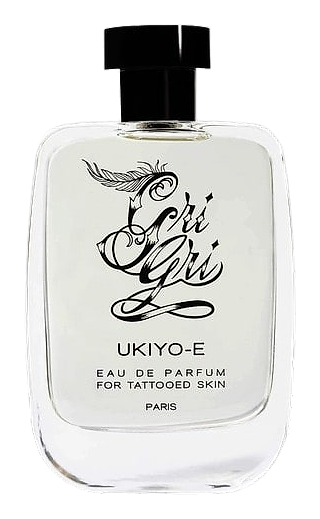
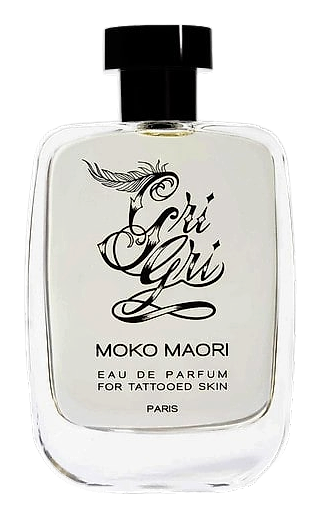
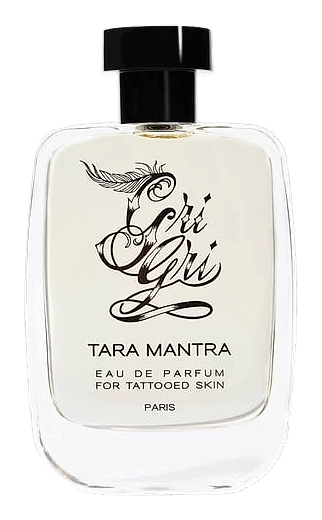
The story behind Gri Gri Parfums begins with a conversation. Anaïs Biguine, already established as the nose behind Jardins d'Écrivains and Les Cocottes de Paris, found herself drawn into the world of tattoos through her yoga teacher. That initial curiosity sparked a deeper investigation into tattooing as a universal human practice, one that Darwin himself had noted in his observations on civilization. Biguine began researching tattoo traditions across cultures, from the sacred geometric patterns of Polynesian moko to the elaborate imagery of Japanese Ukiyo-E woodblock prints, from the circus sideshow memorabilita to the symbolic motifs of Indian traditions. This research became the foundation for Gri Gri. Rather than treating tattoos as mere decoration, Biguine approached them as a form of communication, a language written on skin. The name Gri Gri itself carries meaning in this context, referring to the small bells that dancers in southern France traditionally wore. Like those bells, tattoos make sound through silence, announcing presence through pattern and symbol. In 2016, Biguine released four fragrances under the Gri Gri name, each one a portrait of a different tattoo tradition. Ukiyo-E took its name from the Japanese art movement that influenced tattoo iconography worldwide. Tara Mantra referenced the protective mantras inscribed on the bodies of practitioners in certain Eastern traditions. Sideshow drew from the bold decorative tattoos of carnival performers. Moko took its name directly from the Polynesian term for sacred facial markings. These four scents established Gri Gri as a brand with a coherent artistic vision, one that saw fragrance and tattoo culture as natural companions. Anaïs Biguine approaches perfumery as a form of sketching with raw materials. Rather than building fragrances according to established conventions, she prefers to let materials guide the composition, discovering what each substance wants to become within a given concept. This intuitive method shapes the Gri Gri collection, where each fragrance began not with a brief but with a question about what a particular tattoo tradition might smell like if it could be translated into scent. The brand philosophy centers on the idea that skin is already a canvas. Tattoos decorate that canvas with permanent marks, while fragrance adds something temporary and流动的. Biguine sees these as complementary acts of self-expression, both transforming the body into a statement. The term messenger skin appears throughout Gri Gri communications, referring to the ancient practice of using the body as a communication medium. Across many cultures, tattoos carried meaning that extended beyond aesthetics, marking status, spiritual affiliation, protective symbols, or narrative records of a person's journey. Gri Gri fragrances attempt to honor that legacy by creating scents that feel like they belong on marked skin, scents with the same sense of intentionality and personal significance that tattoos carry. The unisex positioning of the collection reinforces this philosophy. Tattoo culture has never been confined to one gender, and neither are Gri Gri fragrances. The brand invites wearers to choose scents based on the stories they want to carry rather than prescribed gender categories.