Character
How it smells
New Zealand's crisp cousin to Manuka.
Māori used kanuka bark as a natural toothbrush, long before modern oral care existed.
Origin
New Zealand
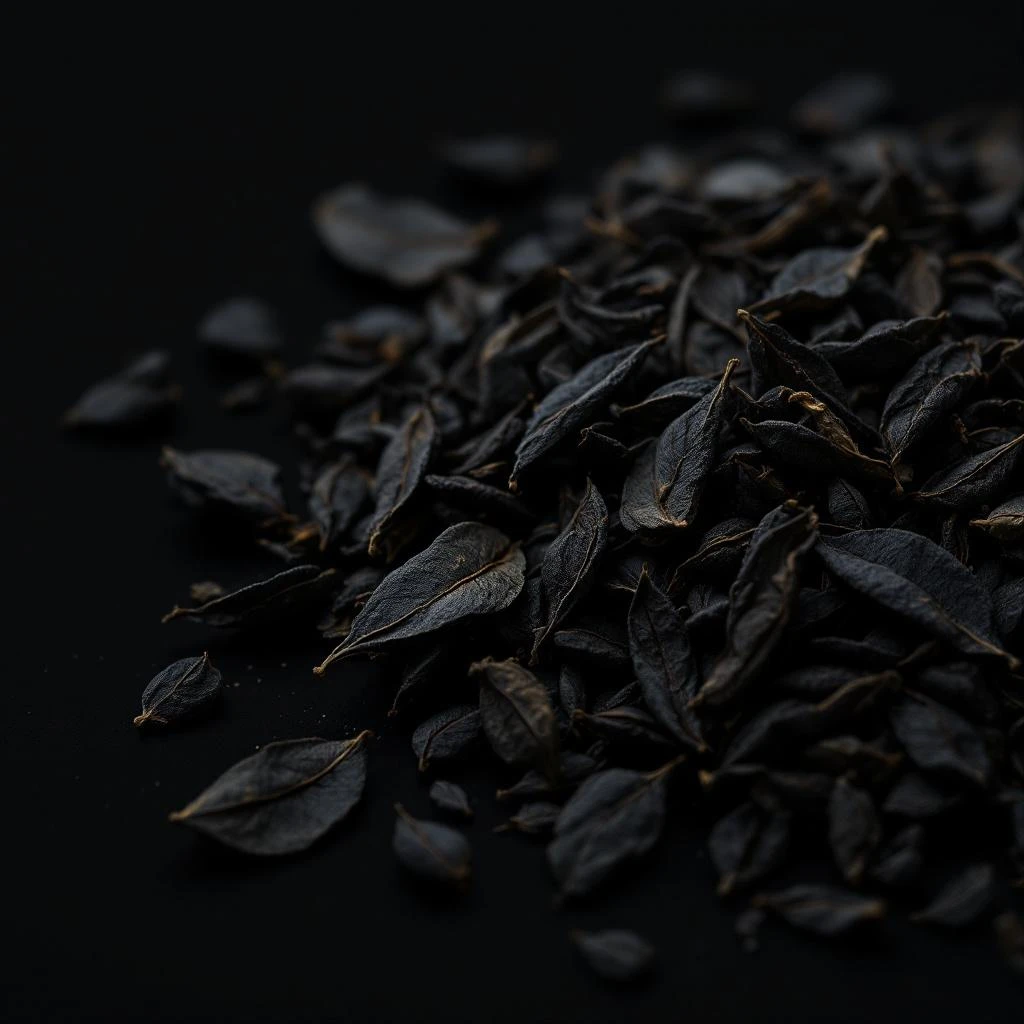
Kunzea ericoides grows across New Zealand's main islands and extends into southeastern Australia, occupying disturbed forest margins and scrubland. For centuries, Māori recognized kanuka as a distinct species from its close relative manuka, assigning it different names and different roles in traditional rongoā (medicine). Practitioners used boiled kanuka bark in vapor inhalation for respiratory complaints, applied the leaves to wounds as an anti-inflammatory poultice, and chewed young shoots for oral hygiene.
European settlers observed these practices throughout the nineteenth century but commercial extraction of kanuka oil did not develop until the late twentieth century, paralleling the rise of the manuka honey industry. Today, New Zealand remains the primary source of kanuka essential oil for global fragrance and cosmetics markets, with small-scale producers in the Northland and Waikato regions leading cultivation and distillation efforts.
Good to know
Questions, answered
The essentials on Kanuka in perfumery: how it smells, where it comes from, and how it behaves on skin.
What does kanuka smell like?
Kanuka oil has a fresh, medicinal-camphoraceous scent dominated by cineole. It reads as sharper and greener than manuka, with a clean, airy quality that works well as a top-note bridge in fragrance compositions.
Is kanuka the same as manuka?
No. While both are native New Zealand Myrtaceae species, kanuka (Kunzea ericoides) and manuka (Leptospermum scoparium) are distinct botanically and olfactorily. Kanuka is cineole-rich; manuka centers on leptospermone and delivers a honeyed, deeper character.
How is kanuka oil produced?
Steam distillation of kanuka leaves and small twigs, typically run for four to six hours, yields the essential oil. The process produces a pale yellow oil where 1,8-cineole can represent up to 70 percent of the final material.
Where does kanuka grow?
Kunzea ericoides is native to New Zealand and southeastern Australia. In New Zealand, wild populations thrive across the North Island and northern South Island, particularly in coastal and lowland scrub environments.
Does kanuka have traditional uses?
Māori used kanuka in rongoā (traditional medicine) for centuries. Boiled bark served in steam inhalation for respiratory relief, and leaf poultices were applied to skin inflammation and minor wounds.
Is kanuka oil widely used in perfumery?
It appears less frequently than manuka oil in mainstream perfumery but serves niche roles in natural-fragrance lines, particularly in compositions targeting a New Zealand botanical or aromatic-green profile. Its cineole brightness makes it a functional top-note material.
What are the main chemical constituents of kanuka oil?
Kanuka oil is dominated by 1,8-cineole (eucalyptol), with secondary components including alpha-pinene, beta-pinene, myrtenyl acetate, and various sesquiterpene compounds that modulate its overall aromatic profile.
Can kanuka oil be synthesized?
Cineole, kanuka's primary aromatic compound, is commercially synthesized and widely available. However, natural kanuka oil retains a more complex terpene matrix that synthetic cineole alone cannot fully replicate.