The Story
Why it exists.
The beginning
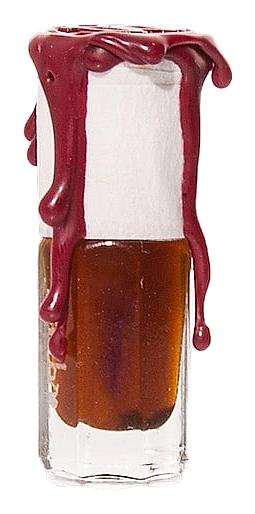
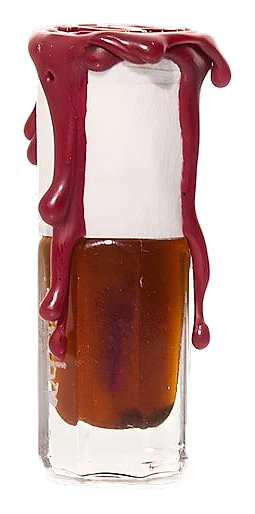
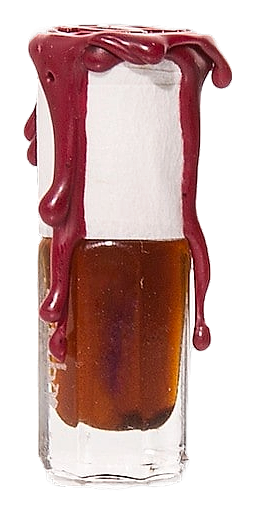
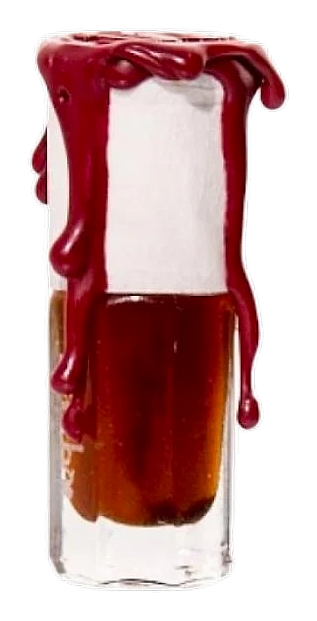
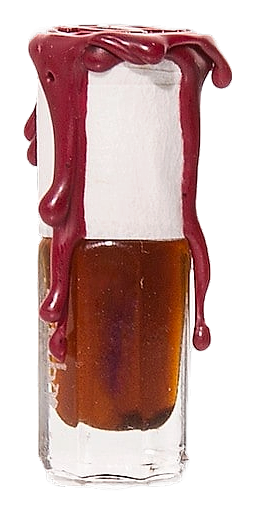
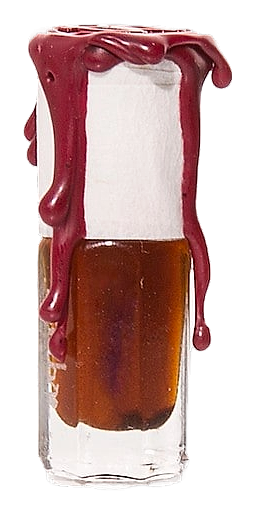
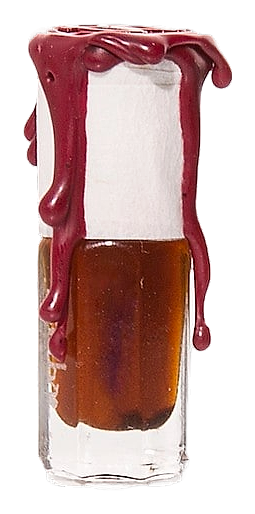
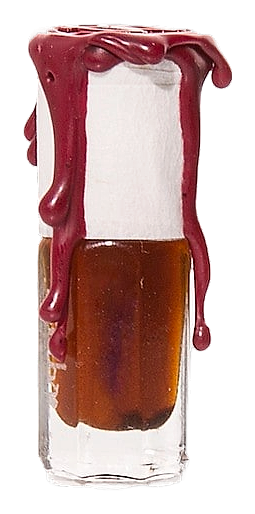
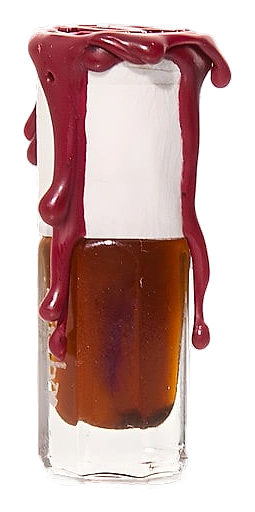
Sultan Pasha called Resine Precieux one of his most troublesome creations. Seven different resins and resinoids, sourced from the four corners, each requiring its own processing method before they'd even consider playing together. The name is literal, precious resin, the kind that demands patience and exacts a toll. What he achieved with this composition is a smoky, ambery scent that holds its contradictions rather than resolving them. The resins and resinoids find an unlikely equilibrium, each bringing its own character to the blend without drowning out the others. It's the kind of fragrance that rewards attention, revealing different facets as it settles and develops on the skin.
What makes Resine Preineux structurally unusual is its foundation built from materials that most perfumers approach with caution. Castoreum, civet, and hyraceum are not afterthoughts here, they're load-bearing elements that give the composition its character. The asafoetida at the top adds pungency and savory depth, the kind of material that composition software might flag as challenging. Sultan Pasha leaned into the problem, using these potent materials to create something distinctive rather than playing it safe.
The evolution
Asafoetida hits first. Sharp, almost medicinal, that onion-garlic edge that either intrigues you or makes you reach for the nearest window. The myrtle arrives, not to replace the asafoetida but to argue with it, bringing a cool green presence against the warm pungency. By the mid-stage, honey and beeswax push through, coating the edges and softening the sharpness. Then frankincense smoke begins to settle over everything, heavy and quiet. The drydown is where this earns its name: opoponax, benzoin, tolu balsam create a warm resinous amber that doesn't let go. The base stays close to skin, almost intimate, revealing itself gradually over hours of wear.
Cultural impact
Resine Preineux occupies a distinctive position in niche perfumery. Released by an atelier known for small-batch natural compositions, it developed a reputation among those who seek out challenging materials. The density of the base, with castoreum, civet, and hyraceum layered together, divides opinion predictably. Those drawn to this approach appreciate its directness; others find the opening demanding. The fragrance's discontinued status has added to its appeal among collectors seeking something outside the mainstream.