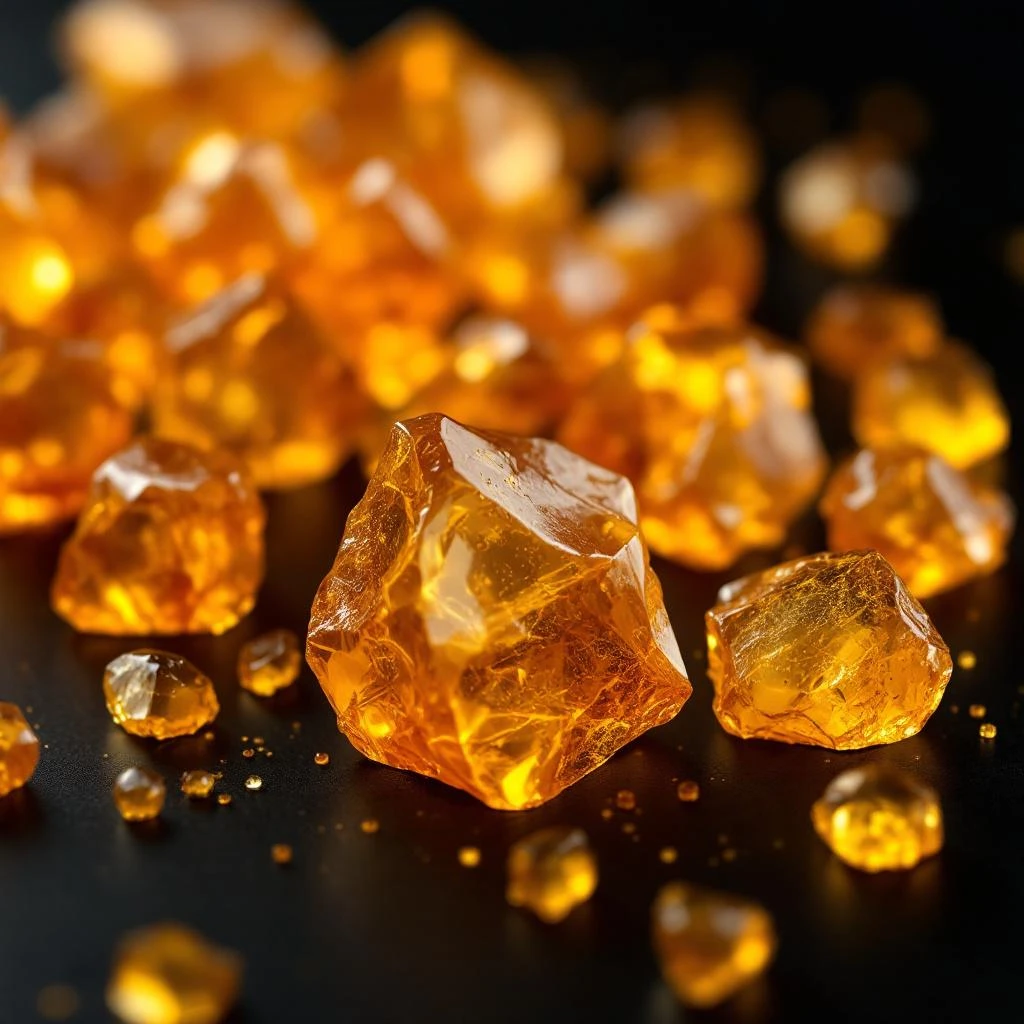
Black Ambergris
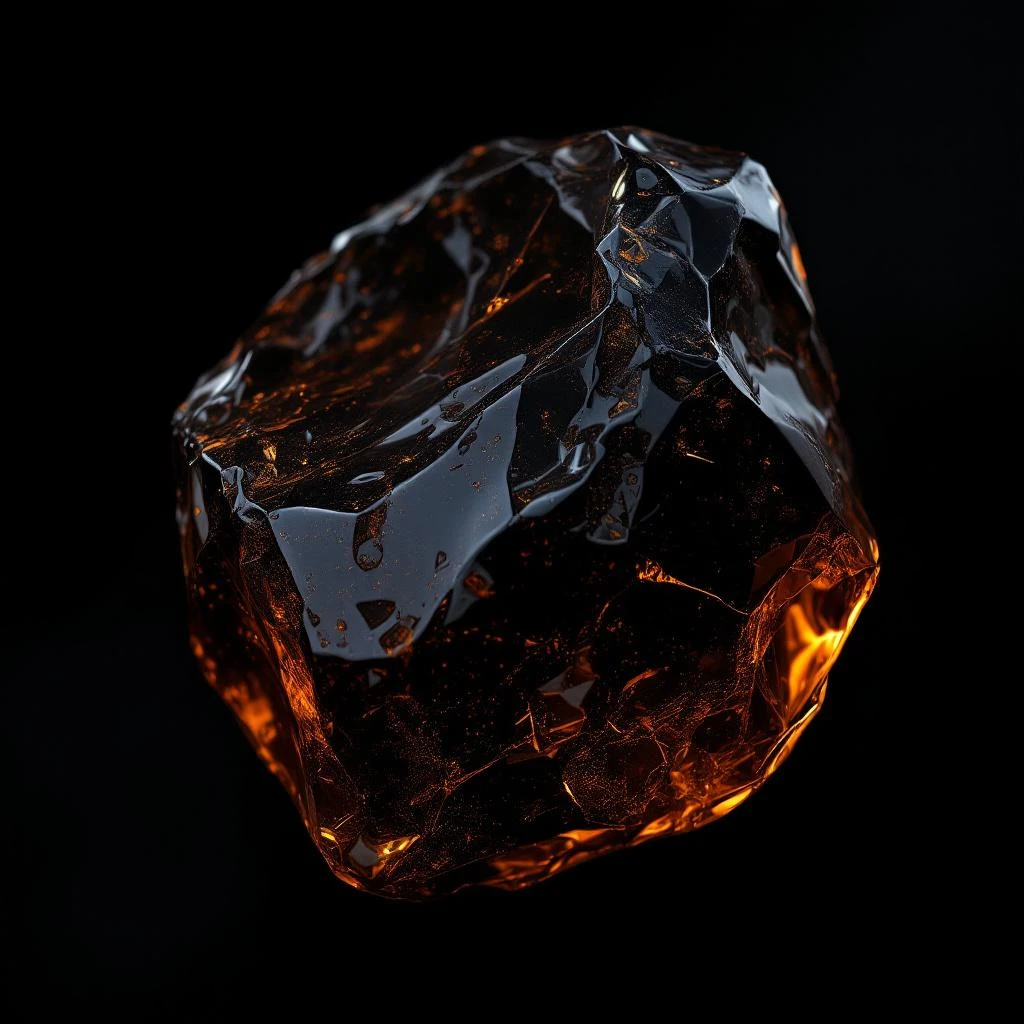
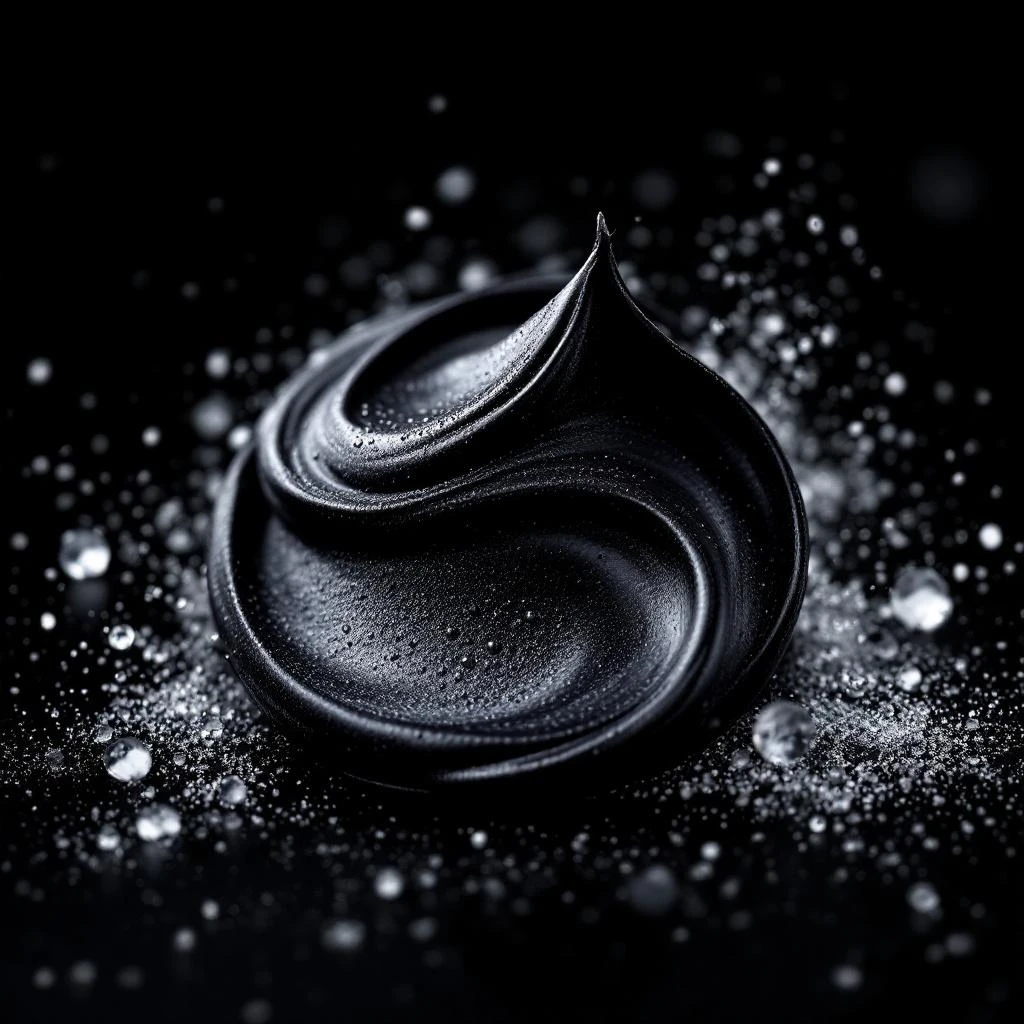
Black ambergris is a rare, aged form of the legendary sperm whale secretion. Its deep, complex character brings unmatched depth to fragrances. The darker the ambergris, the more time it has spent maturing at sea, developing richer, more nuanced aromatic properties.
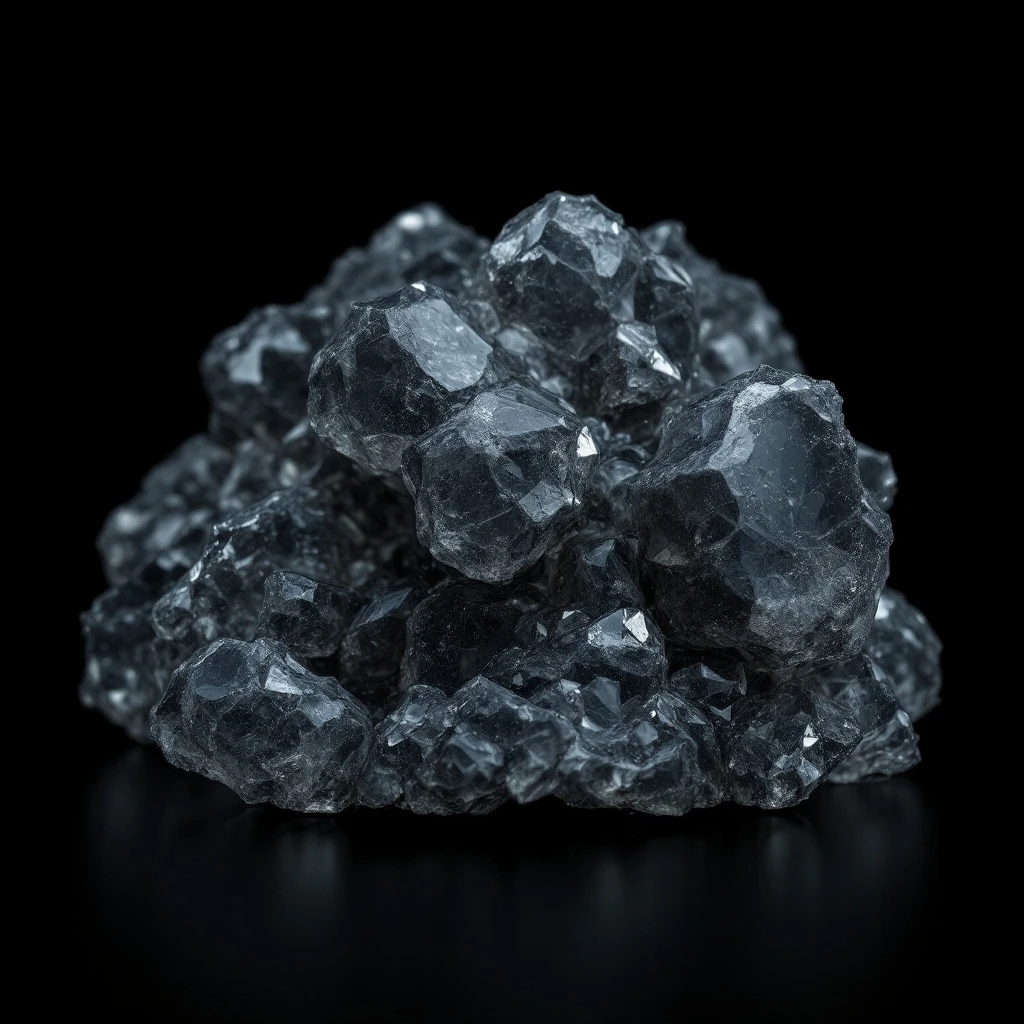
Character
How it smells
The sea's most coveted fixative.
Sperm whales produce ambergris to protect their digestive systems from sharp squid beaks. Only about 1% of sperm whales produce it, making natural samples extraordinarily rare.
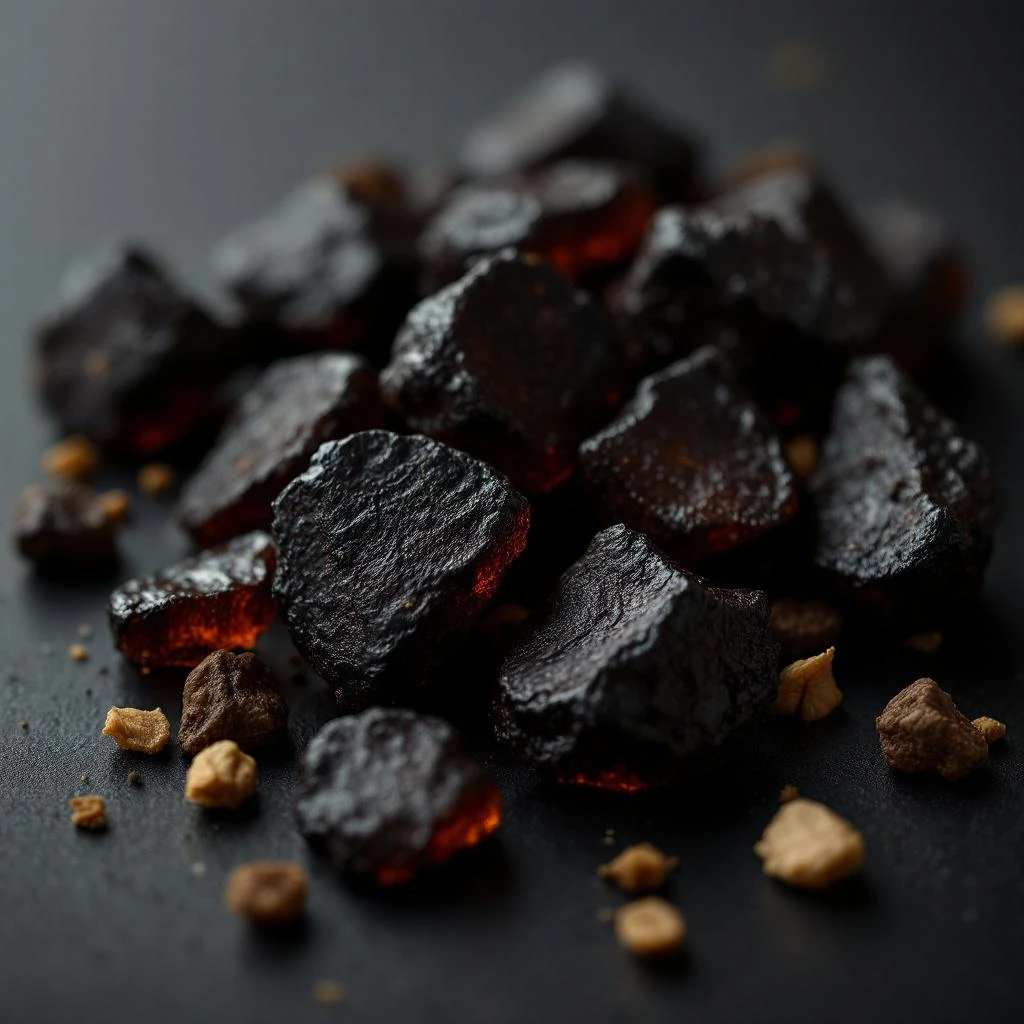





Origin
Atlantic Ocean
Ambergris has enchanted perfumers for centuries, valued by European royal courts during the 17th and 18th centuries. European explorers introduced it to French court perfumers, where it quickly became a treasured ingredient in luxury fragrances. The substance served dual purposes: as a fixative to preserve scent longevity and as a prized aromatic component.
This dual value made it extraordinarily expensive, earning nicknames like "floating gold" and "treasure of the sea." Today, natural ambergris remains tightly controlled under sperm whale protection laws, and most perfumers now rely on synthetic alternatives like Ambroxan.
Wears it best
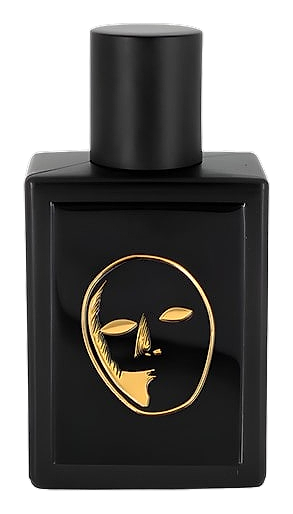
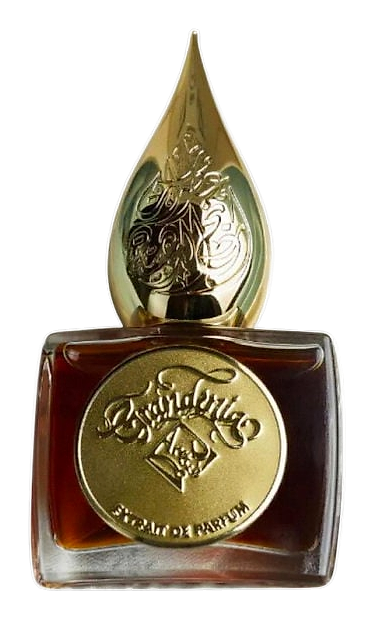
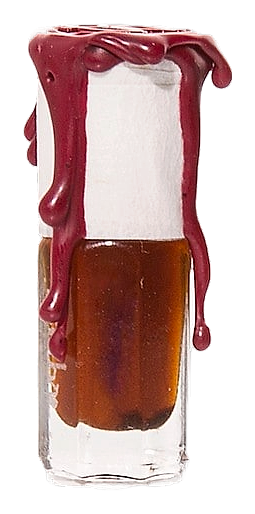
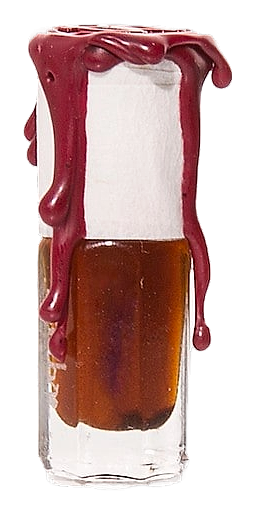
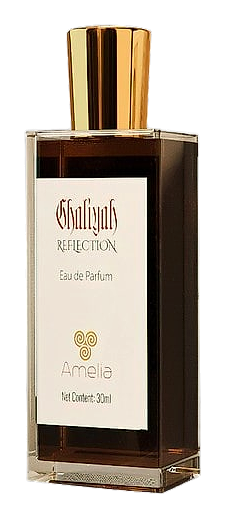
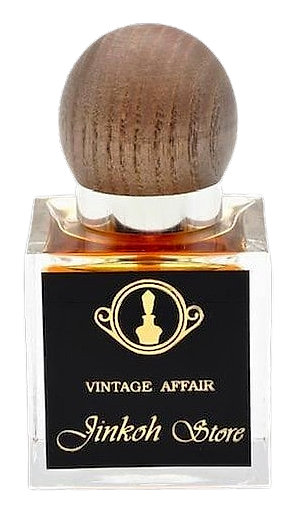
Fragrances featuring Black Ambergris
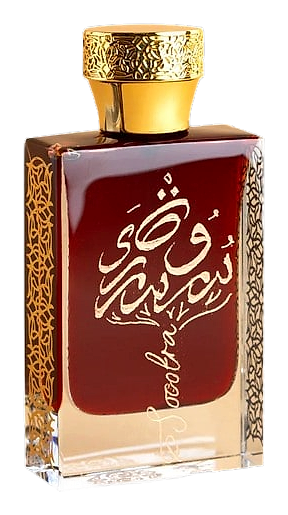
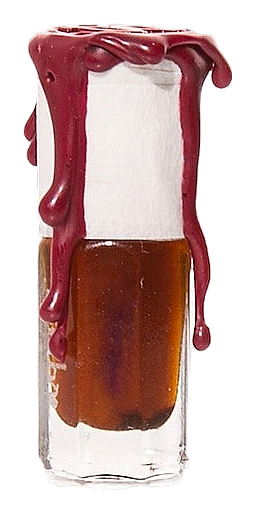
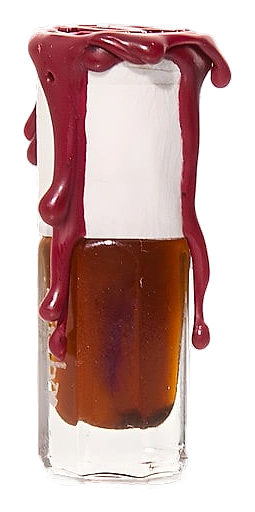
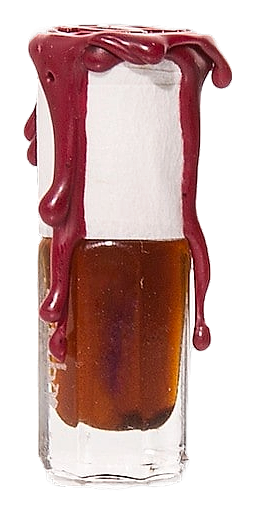
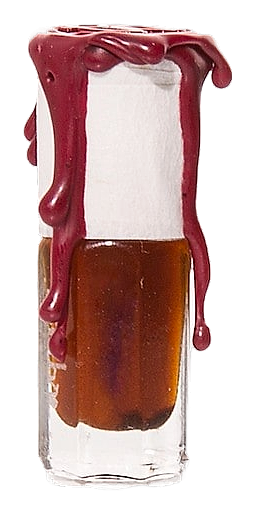
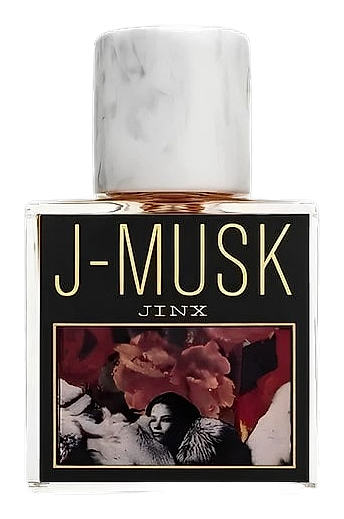
Brands
Brands known for Black Ambergris
Good to know
Questions, answered
The essentials on Black Ambergris in perfumery: how it smells, where it comes from, and how it behaves on skin.
What is black ambergris?
Black ambergris is an aged form of ambergris, the waxy substance sperm whales produce to protect their digestive systems. Its dark color comes from extended oxidation during years of floating at sea. This aging process develops more complex, refined aromatic properties prized in fine perfumery.
What does black ambergris smell like?
Fresh ambergris starts with fecal, animalic notes, but aged specimens develop prized marine, warm, musky qualities. Black ambergris offers rich, leathery depth with woody undertones. The seawater aging process transforms harsh notes into sophisticated aromatic complexity that perfumers value.
Why is ambergris so expensive?
Ambergris commands extreme prices because only about 1% of sperm whales produce it, and no reliable farming method exists. Historically priced higher than gold, its rarity stems from being an accidental byproduct of whale biology rather than a harvestable resource.
Is black ambergris still used in modern perfumery?
Most modern fragrances use synthetic alternatives like Ambroxan instead of natural ambergris. Legal protections for sperm whales and ethical concerns have made natural sourcing extremely difficult. Synthetic options replicate the scent profile while avoiding sourcing complications.
What is the difference between black ambergris and regular ambergris?
The primary difference is color and age. Black ambergris has spent more time floating and oxidizing in seawater, developing darker pigmentation. Both contain similar aromatic compounds, though extended aging may concentrate certain scent notes in black specimens.
How did ambergris get its name?
The name comes from French "amber gris" meaning "gray amber," distinguishing it from amber (fossilized tree resin). Whalers and beachcombers discovered floating lumps of this waxy material washing ashore, sparking centuries of speculation about its mysterious origin.
What role did ambergris play in whale hunting?
Before conservation laws, ambergris drove commercial whaling. A single specimen could fund an entire voyage, making sperm whales targets of opportunity. This economic incentive contributed to population declines before international protections took effect.
Does ambergris have any other uses besides perfumery?
Historically, people used ambergris in medicine and as a flavoring agent in food and beverages. Ancient texts mention it as a remedy for various ailments. These applications have largely faded, and perfumery now represents its primary commercial use.