The Story
Why it exists.
The beginning
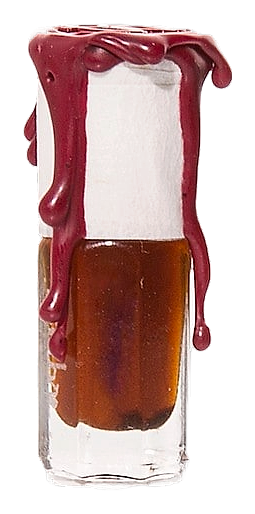
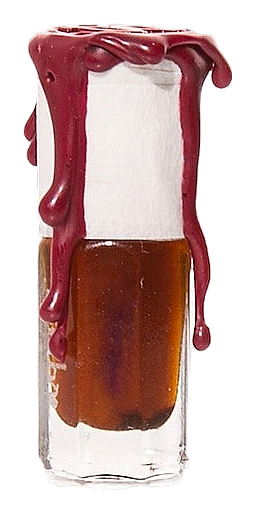
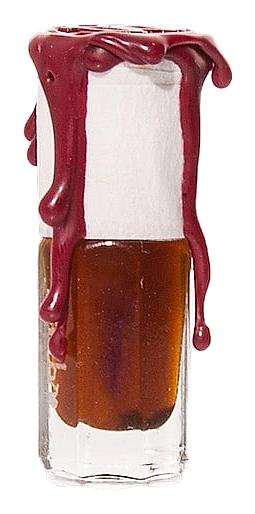
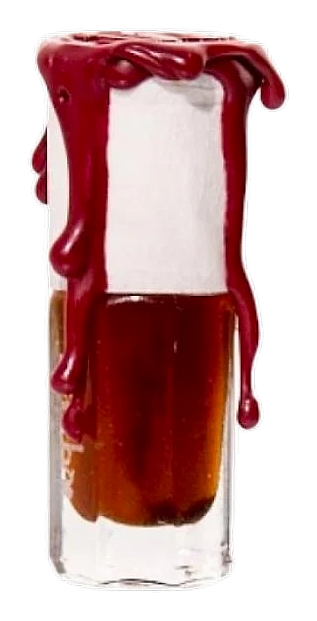
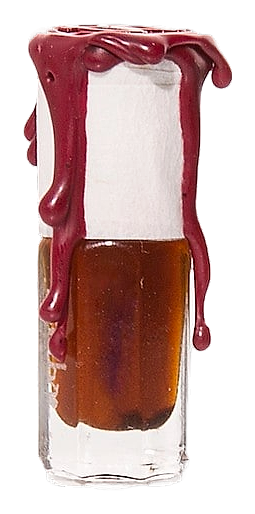
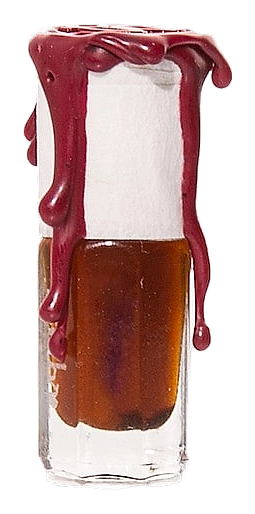
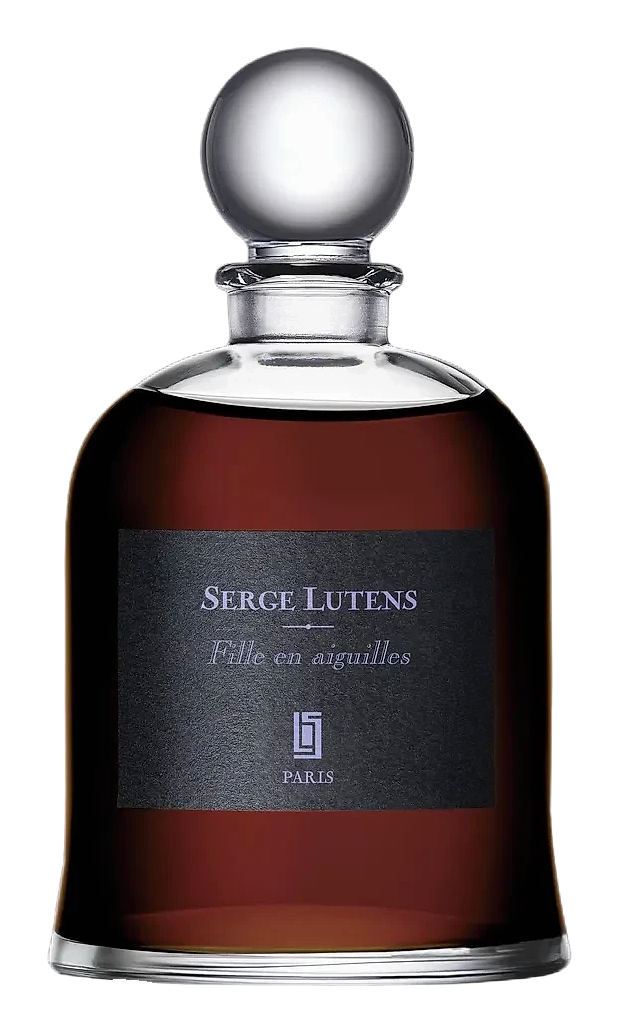
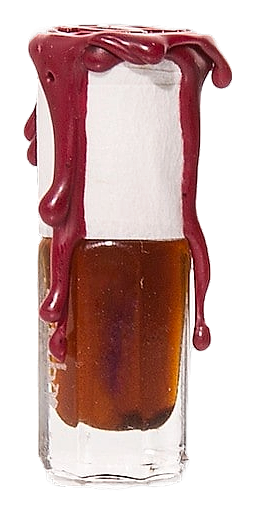
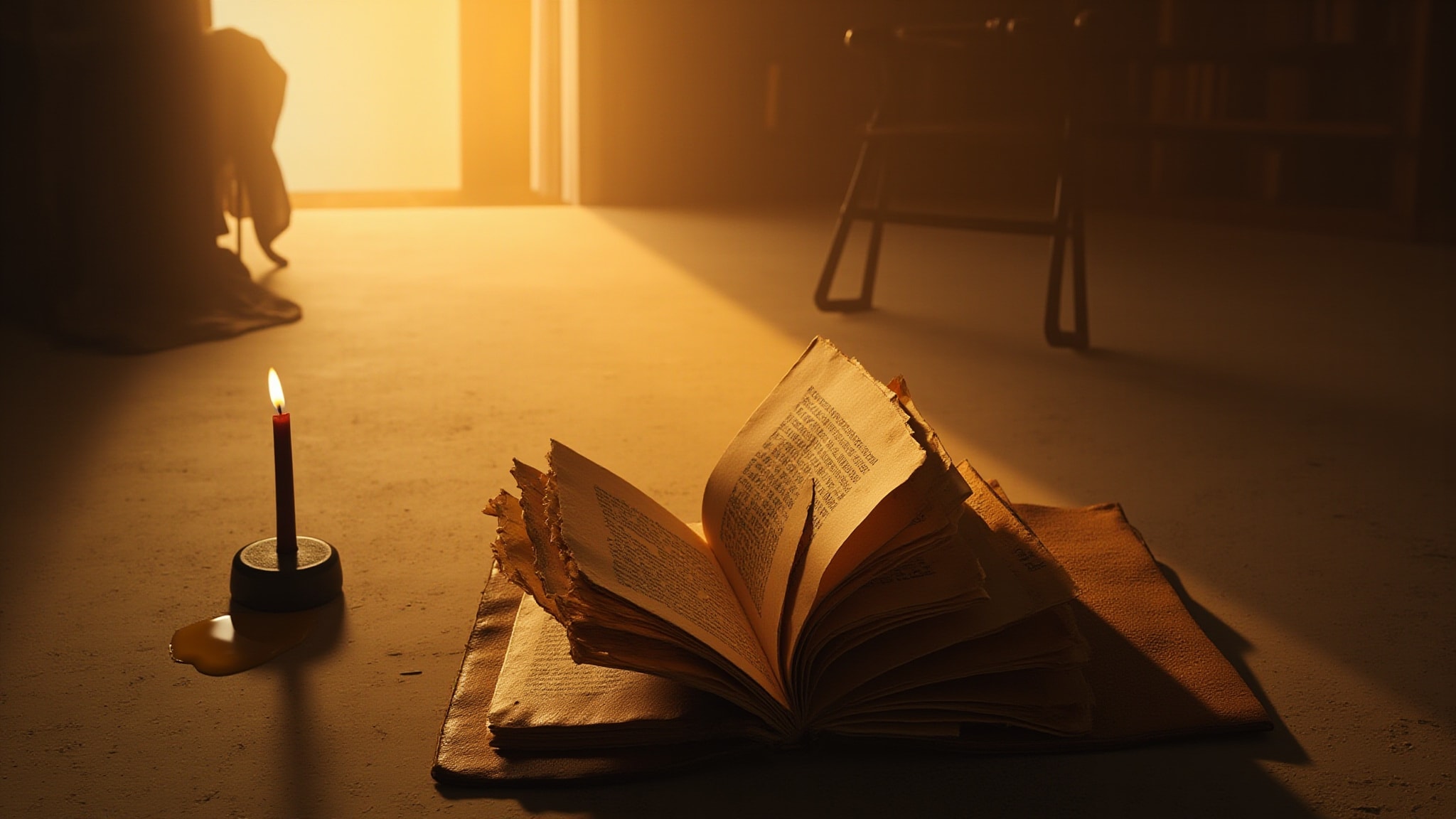
Sultan Pasha was a child when his father took him to the British Library. His father showed him the stacks. The rows of ancient spines and yellowed pages. What overwhelmed young Sultan wasn't the sight. It was the smell: tarry old leather bindings, polished wood, and the beautifully enigmatic scent of old paper, all breathing together in a closed room. For years he couldn't name it. Couldn't bottle it. Could only remember it. Ambrecuir is the result of that memory, translated from a moment in a library into something you can wear. The fragrance carries that same weight of discovery, that sense of stepping into a space where time has settled into material.
Instead of building toward sweetness, it opens with cocoa butter, almost edible, before the black amber and saffron arrive to ground things in resin and warmth. The heart layers honey against suede and tobacco, creating a middle ground between gourmand and leather. Then the base deploys its animalic arsenal: hyraceum, civet, black ambergris. These materials are rare, expensive, and polarizing. Used carelessly, they tip into aggressive territory. Used here, they give Ambrecuir its sense of age, as if the fragrance itself has been sitting in a leather-bound book for a century.
The evolution
The opening is cocoa butter, soft, almost edible. Then the saffron hits: metallic, dry, a little sharp. Black amber follows with resin and warmth, like entering a room where someone has been burning something sweet. Thirty minutes in, the butter recedes. The honey thickens, warmed by tobacco and deepened by suede. The orris and Java vetiver add a powdery, earthy undertone that keeps the sweetness from becoming cloying. This middle phase lasts two to three hours, the heart of the fragrance, where the name becomes clear. Four hours onward, the animalics take over. Civet, hyraceum, and black ambergris rise together, giving the drydown a savory, lived-in quality. Incense, labdanum, and opoponax add dusty resin. Beeswax and vanilla wrap everything in warmth. Mysore sandalwood grounds it with creamy wood.
Cultural impact
Since its 2015 launch, Ambrecuir has challenged how wearers think about amber fragrances. The combination of hyraceum and civet divides opinion in the way only genuinely challenging materials can: wearers either find it captivating or discover it wasn't what they signed up for. For those who stay, it rewards with a long arc that unfolds over hours, each stage revealing new dimensions. The honeyed amber and animalic depth create something that refuses to conform, a reference point for anyone exploring what this category can truly offer when it abandons convention.