Cocoa Butter
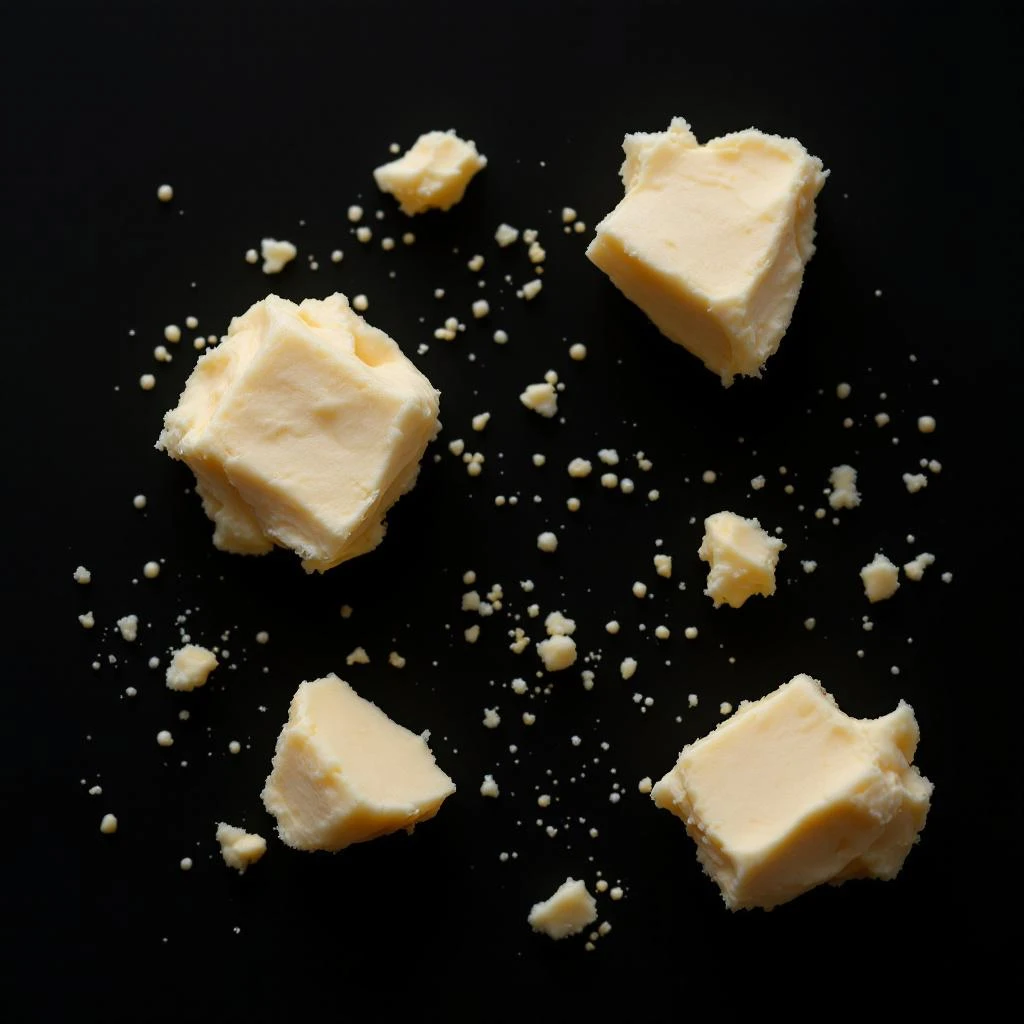
Cocoa butter brings a soft, creamy warmth to fragrance. Its restrained cacao character rounds sharp florals, spices, woods, and gourmand notes with a skin-like richness.
Character
How it smells
Quiet creaminess with a trace of cacao.
Pure cocoa butter smells far subtler than chocolate because the familiar cocoa aroma develops mainly when cacao compounds are roasted.





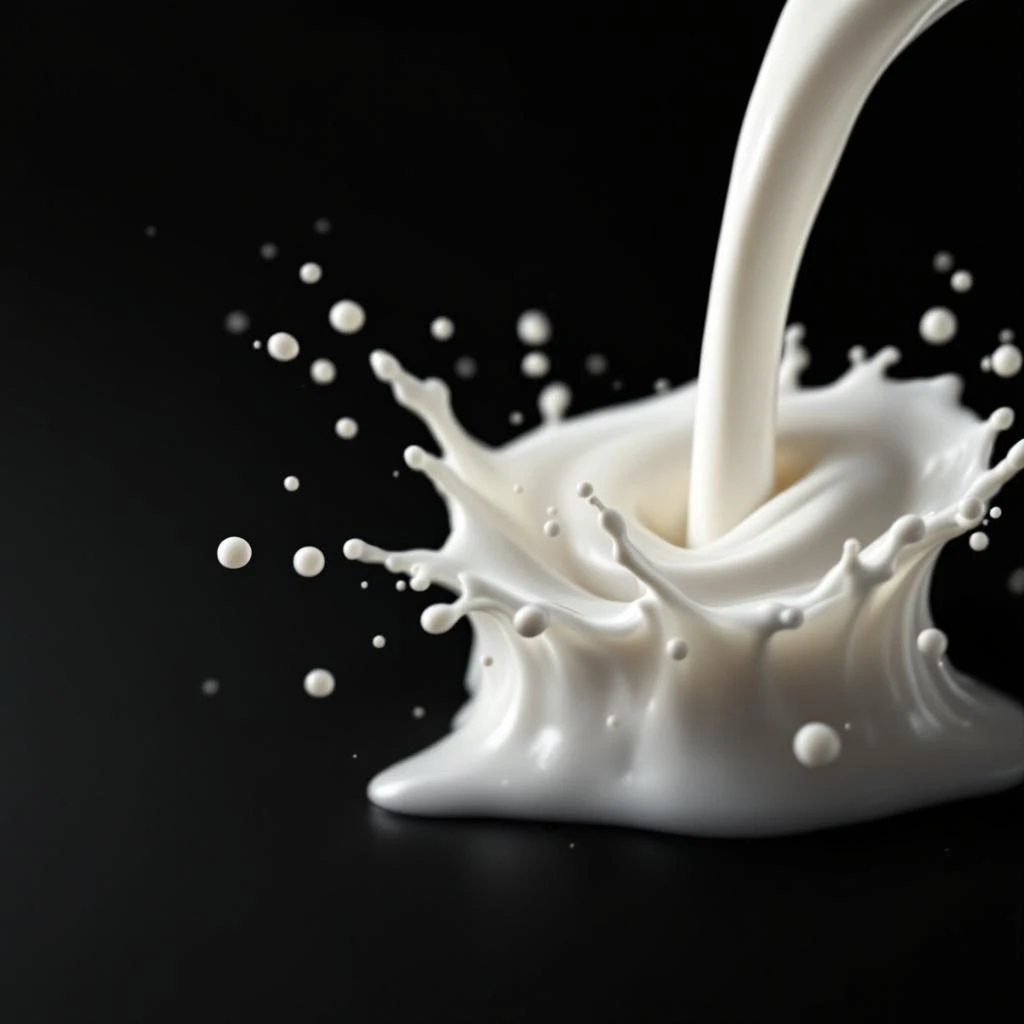
Origin
Ivory Coast
Cacao was cultivated and consumed in Mesoamerica long before European contact. The Maya and Aztec peoples prepared bitter cacao drinks, often seasoned with ingredients such as chili, flowers, vanilla, or maize. Cocoa butter was historically obtained by heating cocoa mass with water and skimming the fat that rose to the surface.
Under Spanish colonial rule, cacao spread beyond its native region, and later industrial methods allowed manufacturers to separate cocoa solids and cocoa butter on a much larger scale. Pressing became central to chocolate production, leaving cocoa butter available for confectionery, cosmetics, and fragrance work. Although butter is valued for its smooth, nearly neutral aroma, perfumery may use refined cocoa butter, specialized extracts, or isolated cacao materials to introduce creamy softness and a restrained roasted character.
The result is an edible warmth rather than a literal chocolate note.
Wears it best
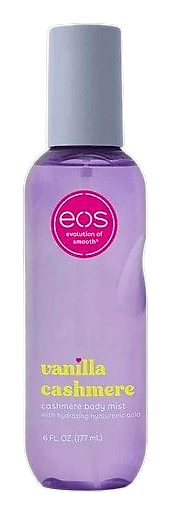
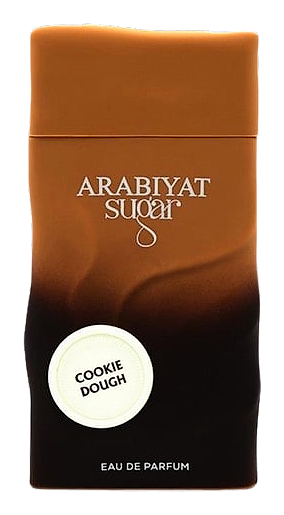
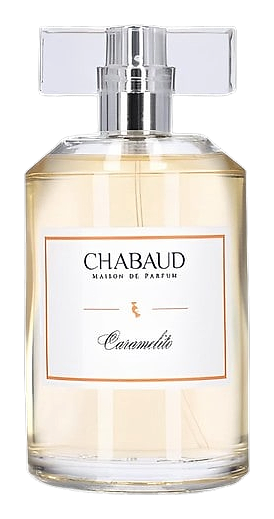
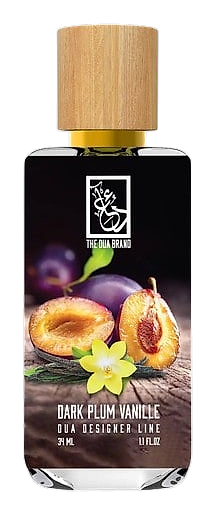
Fragrances featuring Cocoa Butter
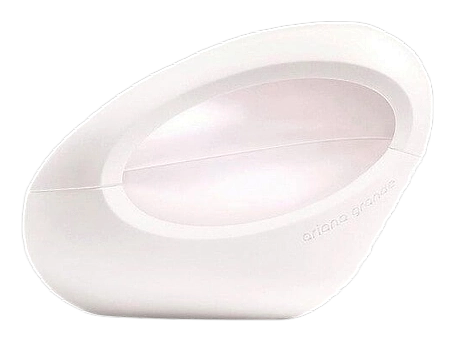
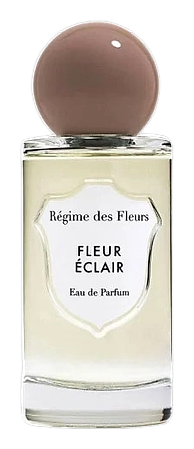
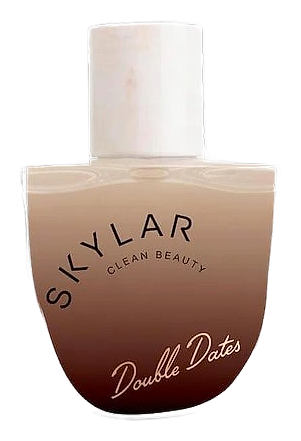
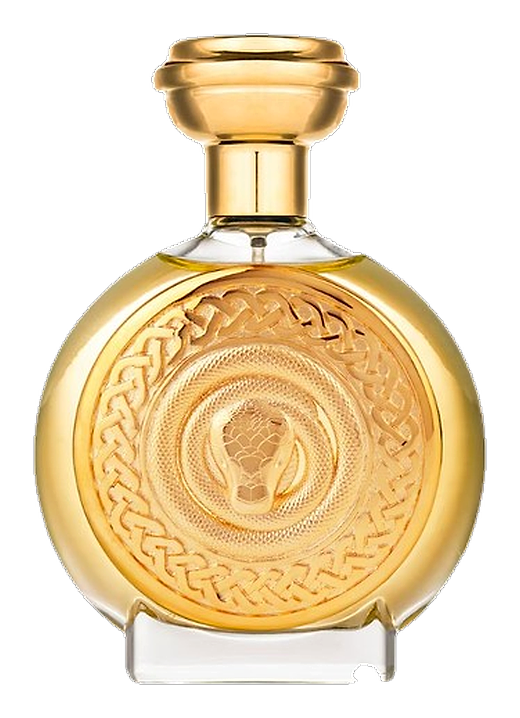
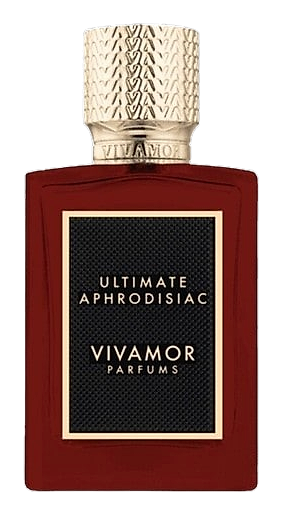
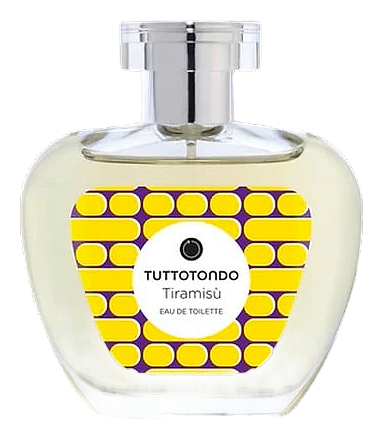
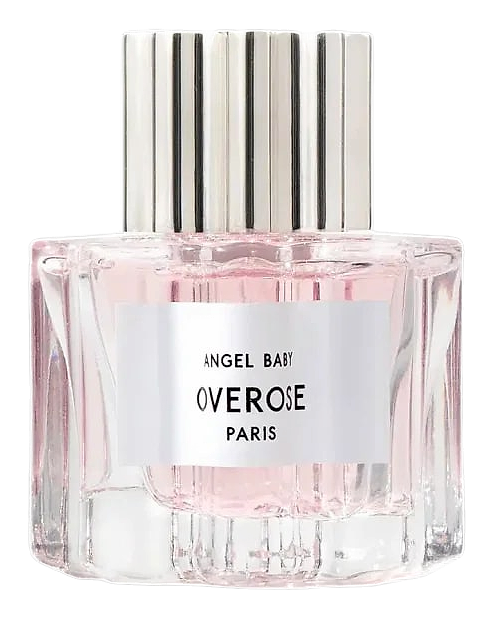
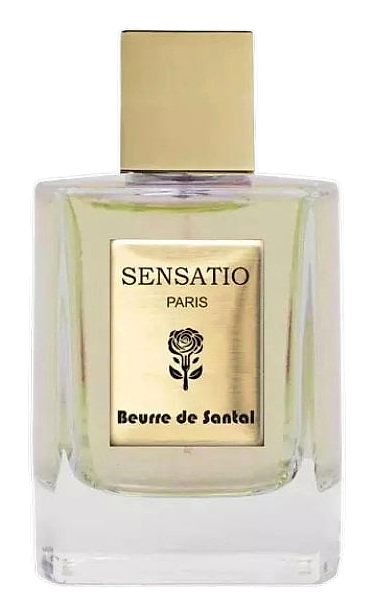
Brands
Brands known for Cocoa Butter
Good to know
Questions, answered
The essentials on Cocoa Butter in perfumery: how it smells, where it comes from, and how it behaves on skin.
What does cocoa butter smell like in perfume?
Cocoa butter usually smells soft, creamy, and subtly fatty, with a faint cacao warmth. Its restrained profile supports gourmand compositions without reproducing the intense aroma of chocolate or cocoa powder.
Is cocoa butter the same as a chocolate perfume note?
No. Cocoa butter is much subtler than the familiar smell of chocolate, which becomes pronounced through roasting and the presence of numerous cacao compounds. It mainly adds creamy texture and gentle warmth.
How is cocoa butter made?
Cocoa butter is pressed from cocoa liquor produced by grinding fermented, dried cacao beans. Pressure separates the fat from cocoa solids, after which the butter is filtered and may be refined for cosmetic, culinary, or fragrance use.
Where does cocoa butter come from?
Cacao originated in Mesoamerica, while major modern production includes West Africa and parts of South America. The supplied Robertet extract is sourced from Ivory Coast and Ghana, two established cacao-growing countries.
Why is cocoa butter used in perfumery?
Perfumers use purified cocoa butter or specialized cacao extracts to soften transitions and give a composition creamy depth. It can temper bright florals, warm spices, woods, and sweet notes without dominating them.
Does cocoa butter have health or skin benefits?
Cocoa butter contains fatty substances and is widely used to soften skin, but fragrance use does not imply clinical treatment. Cosmetic claims vary by formulation, and concentrated fragrance materials can still irritate sensitive skin.
Can cocoa butter be used in solid perfume?
Yes. Cocoa butter can serve as a low-melting, skin-conditioning base in solid perfumes, often alongside waxes. Its own aroma is gentle, so added fragrance materials and cacao extracts determine the finished scent.
Is natural cocoa butter always colorless?
No. Unrefined cocoa butter is typically pale yellow and may carry a mild cacao odor. Specialized fragrance materials can be purified and decolorized to create a colorless extract with a cleaner sensory profile.