The Story
Why it exists.
The beginning
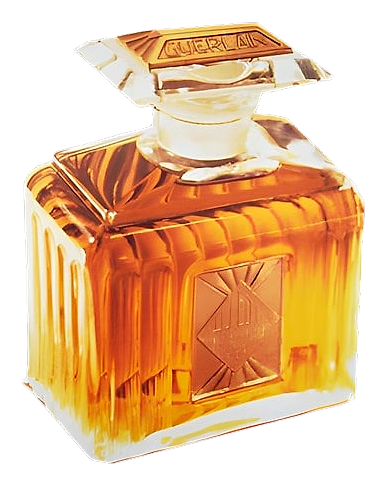
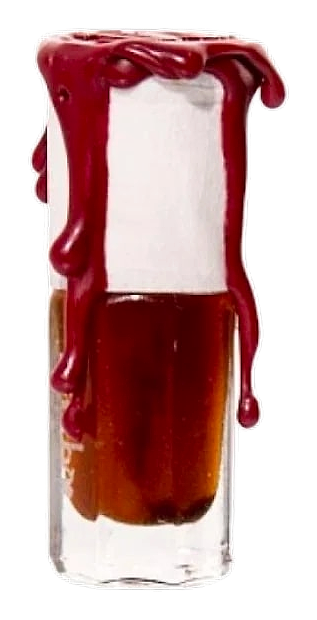
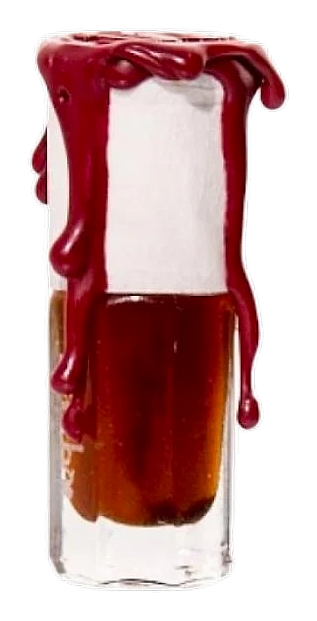
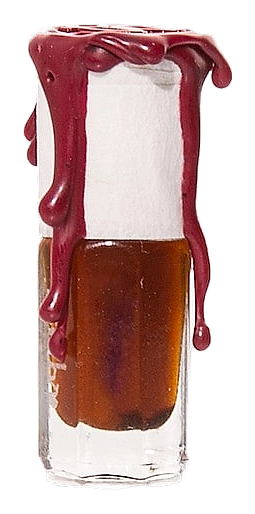
Sultan Pasha encountered a discontinued Guerlain composition in Paris, Djedi, and it moved him enough that he spent months trying to recreate it. The result is Thebes Grade 1, a 2016 homage that honors the original's peculiar spirit while becoming something distinctly his own. The fragrance is named for ancient Thebes, that city of tombs and memory, and it wears that weight. Pasha intended it as his signature, the scent he wanted to be known by, the one that said something true about who he was.
What makes Thebes Grade 1 unusual is its structure. Most fragrances ease you in; this one opens with aldehydes that arrive like a slap of cold water, clearing the way for a lily-of-the-valley and bergamot brightness that doesn't apologize for its brevity. The heart is where the work happens, orris root, that expensive, iris-butter material that smells of violet powder and earth, paired with Bulgarian rose absolute and jasmine. The animalic notes in the base aren't hidden or softened; they're the ending. Dry rot and decay, the brand says. They're not wrong.
The evolution
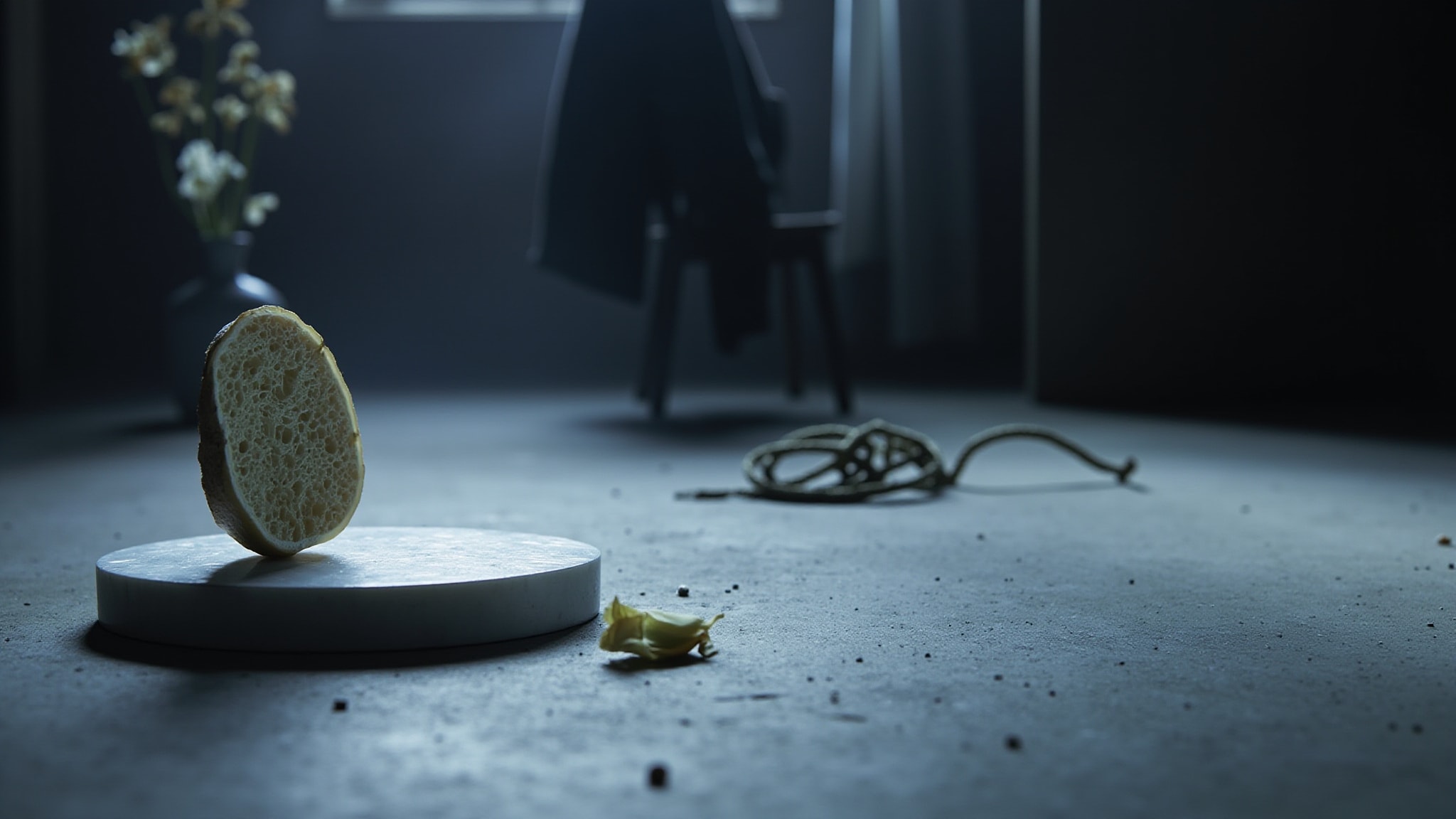
The aldehydes announce themselves first, sharp, almost medicinal, like the smell of cold tile in an empty room. Bergamot flickers briefly before the florals take over: lily-of-the-valley, then Bulgarian rose, soft and powdery against that initial chill. For the first hour, it's surprisingly bright. Then the orris arrives. Earthy. Rooty. The jasmine deepens, the musk thickens, and you realize the florals were a front. By hour three, vetiver and ambergris have settled into something quiet and close to the skin. The animalic notes linger longest, not dirty, exactly, but present. Alive. On fabric, the base notes can hold for a full day.
Cultural impact
Niche collectors who gravitate toward Thebes Grade 1 tend to be people who've already exhausted the obvious releases and want something that resists easy categorization. It's not safe, not pleasant in the conventional sense, but it's coherent, every phase follows from the last. Compared to other attar-based compositions from the same period, it sits closer to the skin than most, lasting 8-10 hours with moderate sillage that rewards proximity over distance.