The Story
Why it exists.
The beginning
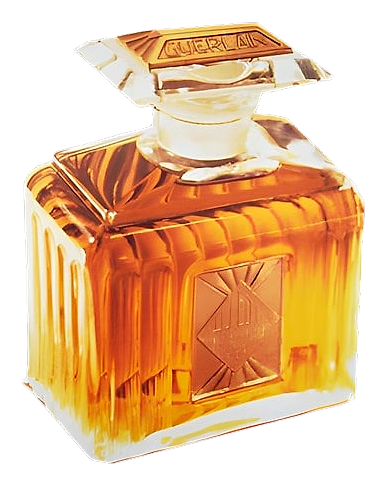
The name comes from Egyptian mythology, Djedi, a magician-god from the Pyramid Texts who reputedly could bring the dead back to life. In 1927, Jacques Guerlain took that impossible act of resurrection and translated it into scent. Not a tribute to a legend. A scent that performs one. The fragrance stayed in production until the 1950s but never entered Guerlain's core classic range, it existed outside the usual hierarchy. Those who encountered it carried the memory of something rare.
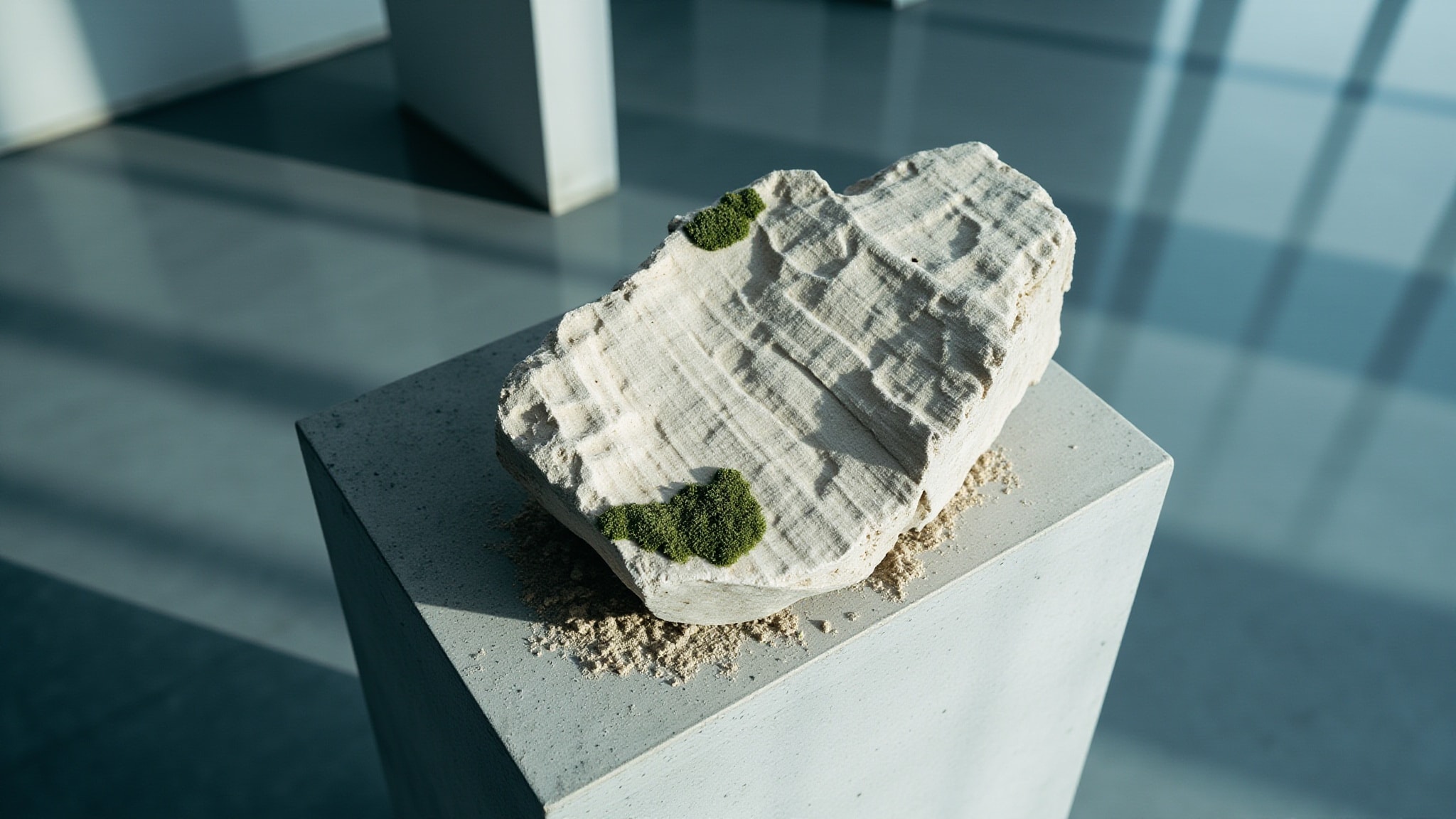
What makes Djedi structurally unusual is its aldehydes. In this composition, the aldehydes don't sparkle the way they might in other fragrances. They mineralize, arriving as heat rather than light, like the smell of stones warming in afternoon sun. Around this core, Guerlain stacks animalic notes, jasmine, rose, vetiver, and iris into something dense and multilayered. The result isn't a progression from fresh to deep. It's a compression, everything arriving at once, then settling into a long, austere drydown that refuses to soften fully.
The evolution
The opening hits fast, aldehydes and lily of the valley arrive together, but they don't read as floral. They read as mineral heat. Stones holding warmth. Then the heart opens: jasmine, rose, vetiver, iris layered over animalic notes. It's dense, almost challenging. The sillage is strong from minute one. Over the next three to four hours, the florals recede and the chypre structure emerges fully, oak moss, musk, amber creating something severe and long-lasting. What remains on skin is a mossy, animalic warmth that speaks to exceptional longevity.
Cultural impact
Djedi never entered Guerlain's core range, it existed as something outside the usual hierarchy. A 1996 limited reissue celebrated its 70th anniversary, bringing a new generation into contact with its severe, mineral character. Today it remains a touchstone for those who seek Guerlain's darker, more challenging work.