The Story
Why it exists.
The beginning
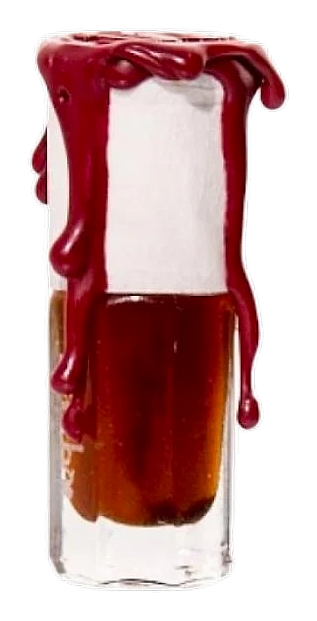
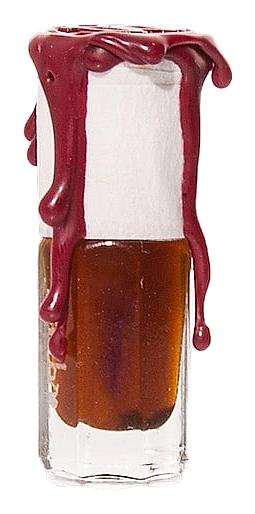
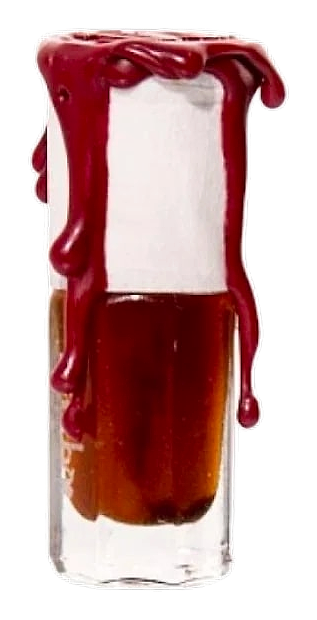
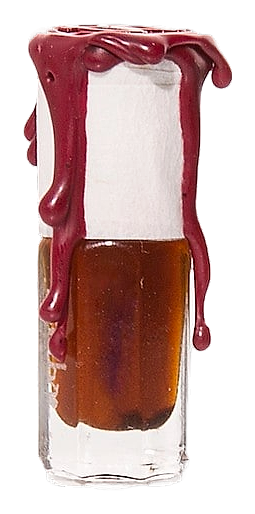
Al Hareem arrived in 2015, Sultan Pasha's declaration of what attars could be when stripped of pretense. The name means "the women" in Arabic, a title of allure, of presence. Not seduction as performance, but something quieter. Attar as the smell of someone who doesn't need to explain themselves. Pasha built this around a simple proposition: Iranian saffron and Turkish roses as the soft counterpoint to Hindi oud's animalic depth, a composition that finds its heat not through sweetness but through the tension between warmth and rawness.
What makes Al Hareem unusual is the butter absolute, a lactonic note that adds a gourmand richness rarely found alongside oud. Most fragrances pair rose with something clean or aquatic. Here, the powdery floral sits atop a base of Assam oud, tobacco, and hyraceum, materials that carry real animalic weight. The combination creates a sensation of warmth and intimacy, of skin that has been warm for hours rather than just applied. That's the bet Pasha made: rose that doesn't flirt but settles. Oud that doesn't shock but convinces.
The evolution
The opening hits fast, saffron's sharp, almost metallic bite cutting through the butter's richness. Rose arrives within minutes, not as a dominant force but as warmth underneath, a soft cushion against the spice. The first hour belongs to that saffron-butter-rose trifecta, dense and intimate. By hour two, the rose has softened further and the Mysore sandalwood announces itself, creamy, warm, slightly woody. Then the base begins its slow takeover. Assam oud rises through the heart notes, bringing its dark, resinous depth. Hyraceum emerges as the drydown deepens, that animalic whisper becoming more pronounced. By hour four, the tobacco has settled in alongside ambergris, sweet, salty, warm. The final hours belong to musk and oud, close to skin, intimate. Come morning, there's a faint trace on fabric: oud, something powdery, the ghost of the night before.
Cultural impact
Al Hareem arrived during a pivotal period when niche attars were transitioning from regional specialty to global collector interest. Sultan Pasha's London-based house represented a bridge between traditional Arabian perfumery and the growing Western appetite for natural, animalic compositions. The fragrance's explicit use of hyraceum and Assam oud challenged conventions about what natural perfumery could achieve, earning both admiration and controversy on fragrance forums. Its success helped establish that attars could command attention alongside alcohol-based perfumes in niche collections.