
The Story
Why it exists.
The beginning
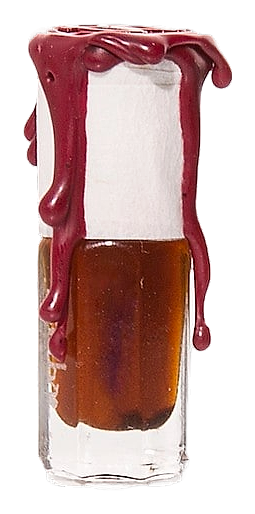
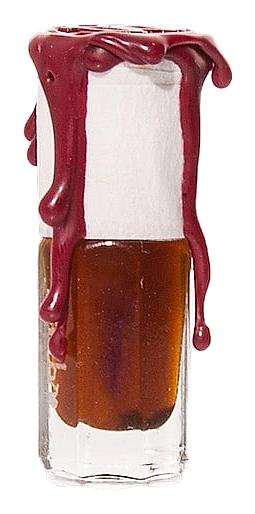
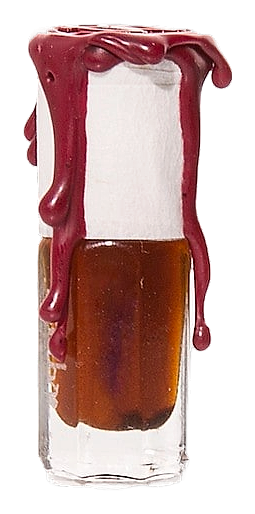
Nankun Kodō begins with a quiet problem: the perfumer loved Shoyeido's Nankun incense, the agarwood blend featuring cloves, camphor, and hinoki wood, but could not burn it at home. His family disliked the smoke. Rather than accept the limitation, Sultan Pasha devoted hours to researching the documented ingredients and composing the experience as a wearable attar. He sourced hinoki wood, used authentic essential oils that would have been available in Japan over the preceding century, and built the composition around the same meditative spirit as the original sticks. The result is not a fragrance inspired by incense, it is incense translated into oil form.
The unusual combination of fenugreek and black caraway alongside the Japanese temple woods gives Nankun Kodō a complexity rarely found in incense-forward compositions. Fenugreek adds a faint maple-sweetness that tempers the cumin's earthiness, while black caraway introduces a dark, almost smokedbread warmth that makes the opening feel grounded rather than lifting. The single synthetic element, ambrettolide at 3%, was chosen specifically to reinforce the nuttiness of ambrette absolute rather than mask it, keeping the formula 97% natural.
The evolution
Star anise and clove hit the sinuses first, immediate, aromatic, the kind of opening that announces itself. Within minutes, hinoki wood takes over, joined by frankincense smoke that carries the composition into something meditative. The fenugreek lingers as a sweet undertone throughout the heart, never disappearing. The drydown softens into Siam benzoin, warm resin, slightly vanillic, and Mysore sandalwood that wraps around the skin in creamy wood. A whisper of powder from heliotrope stays close. On fabric, the oud and black ambergris settle into something that resembles the memory of the fragrance rather than the fragrance itself. A faint warmth remains on a shirt collar long after application, the sandalwood and benzoin lingering in a quiet, intimate way that keeps the experience close to the body rather than projecting outward into a room.
Cultural impact
Nankun Kodō represents a particular approach to attar making: one that takes inspiration from Japanese incense traditions and translates that spirit into a wearable form. The composition draws from the meditative quality of burning incense, the quiet contemplation of a room filled with fragrance, and reimagines that experience for someone who wants it close to them throughout the day. The natural formula emphasizes material authenticity, using genuine essential oils and natural materials rather than synthetic alternatives.