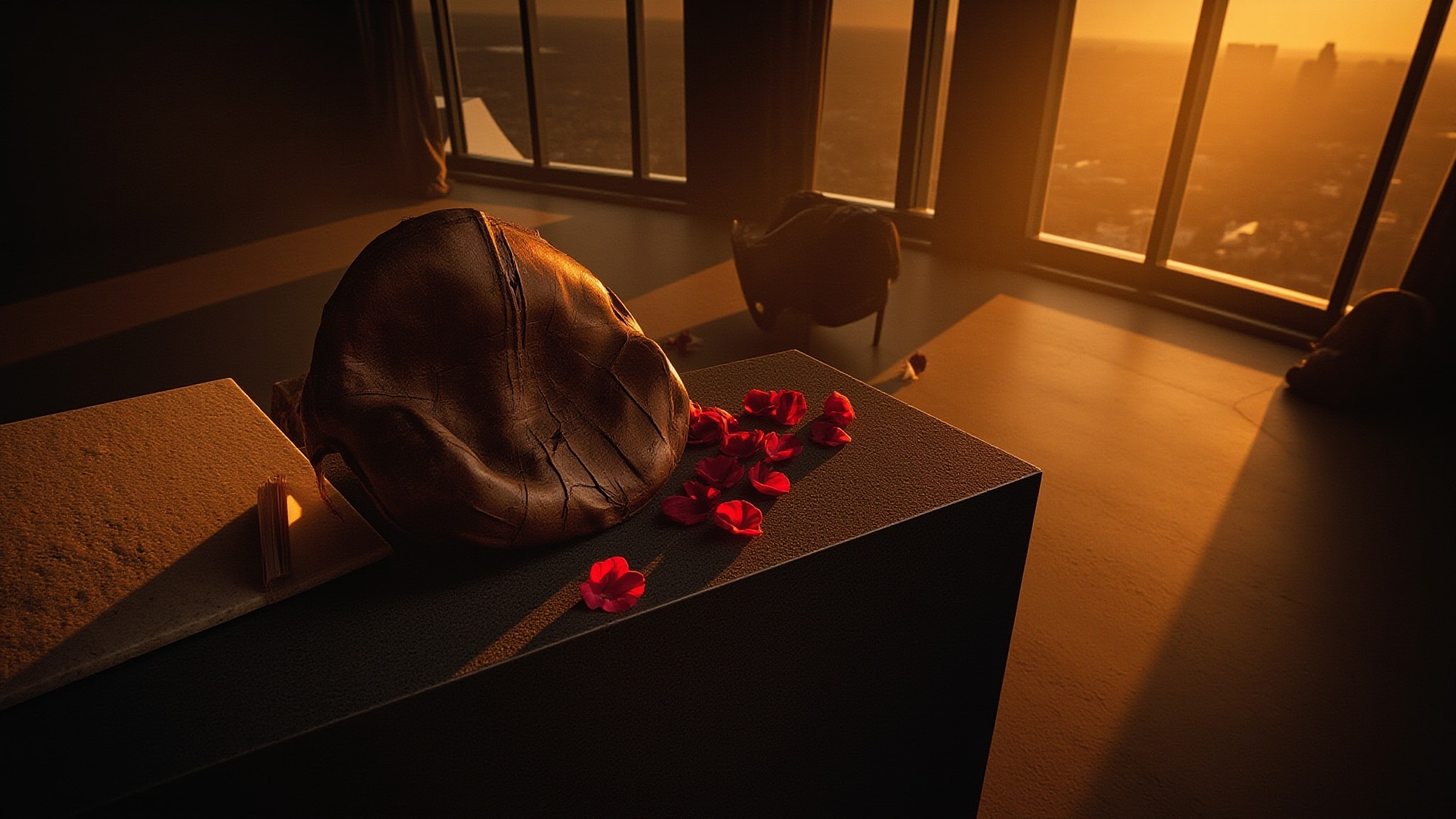
The Story
Why it exists.
The beginning
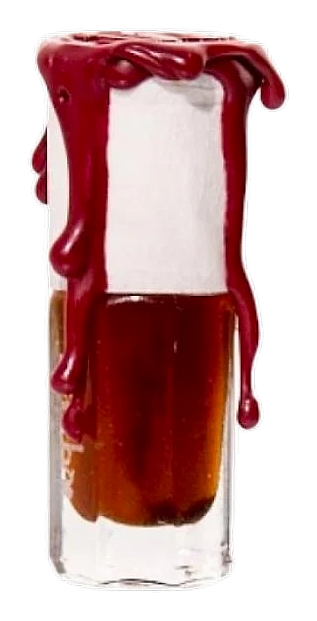
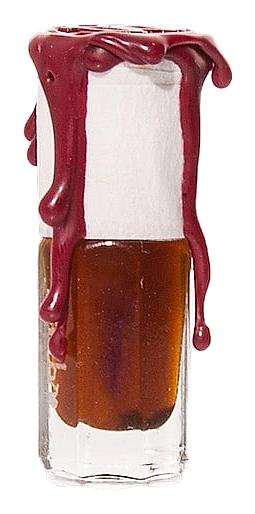
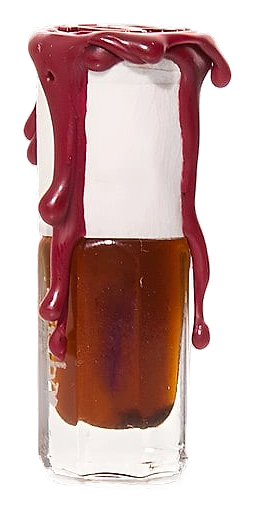
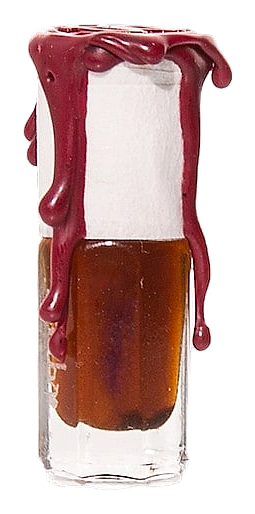
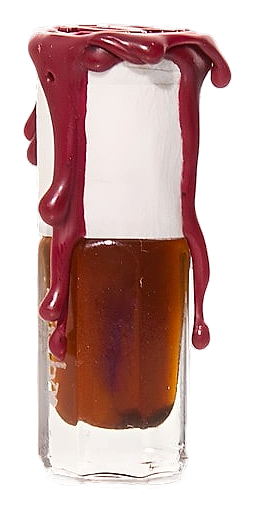
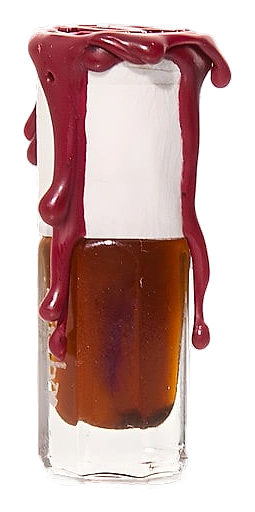
Cheval d'Arabie takes its name from the Arabian horse, reimagining this storied creature not as a romantic icon but as an honest one. Hindi oud arrives in abundance, its dense, dark warmth threading through the composition with a presence that demands attention. The animalic character emerges as the true centerpiece, the aspect that draws collectors in and rewards their attention. Everything surrounding it, the richness, the depth, the layered complexity, serves as mere ornamentation around that essential core. The fragrance strips away gilded expectations to reveal something raw and unapologetic, a scent that embodies the horse itself rather than the mythology surrounding it. This is perfume as portraiture, capturing the creature's genuine spirit rather than any idealized fantasy.
Most fragrances use animalic materials as a whisper. A civet note buried in the base to add depth without detection. Castoreum as a rounding agent. Hyraceum as a rumor. Not here. Civet appears in the top accord, the heart and the base, a constant companion rather than a hidden trick. Castoreum and hyraceum sit openly in the drydown, their fecal, leathery, earthy character fully present. This is the intentional design. The fragrance exists at the intersection of refinement and rawness, using animalic material not as accent but as structure. Hay absolute bridges the gap, dry and slightly smoky, connecting the floral opening to the animal base with unusual coherence.
The evolution
The opening announces itself with confidence, saffron delivering that characteristic bright, medicinal intensity that seizes attention immediately. Bulgarian rose absolute follows, thick and heady, its sweet floral presence deepening the sensory impact. Hindi oud threads through, grounding the bright opening with its resinous weight and subtle animalic undertone. Within the first hour, the composition begins its transformation. Hay absolute and leather arrive, settling the initial brightness into something drier and more textured. The rose doesn't fade, it deepens, becoming subordinate to the earthier accord forming beneath it, its sweetness gaining nuance rather than diminishing. The drydown belongs to the animalic materials. Civet, castoreum, and hyraceum emerge in full force, creating a primal, confrontational presence that challenges the pretty opening.
Cultural impact
Within the Sultan Pasha range, Cheval d'Arabie occupies a specific and deliberate position. Where most niche releases aim for wide appeal, this fragrance narrows its audience by design. The animalic materials, castoreum, hyraceum, civet, are not background players. They define the fragrance's identity, establishing a scent profile that refuses to apologize for its intensity. This is a scent for the collector who has already worked through the polite introductions of the fragrance world and wants something that challenges rather than comforts.