
The Story
Why it exists.
The beginning
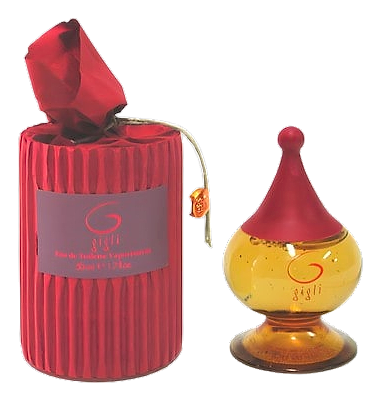
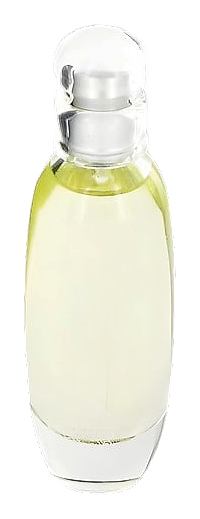
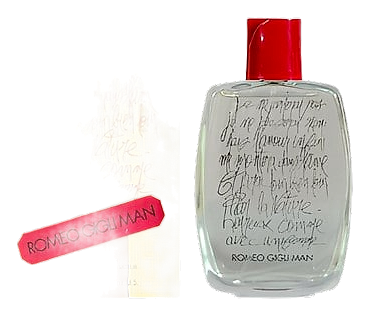
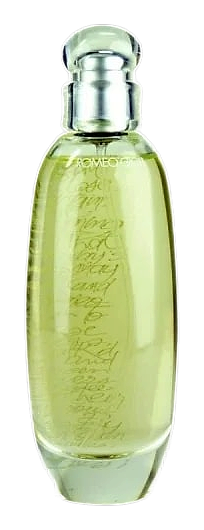
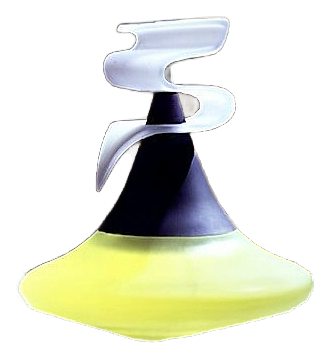
Romeo di Romeo Gigli arrived in 1989 as a feminine expression from a fashion house that had built a reputation for warmth and romantic elegance. Sophie Labbé composed it as a wearable translation of that aesthetic, something that extended the brand's identity into scent. The brief was simple in concept: capture light and atmosphere, but in a bottle. What Labbé delivered was anything but simple. The fragrance combined herbaceous aromatics with tropical fruit and a full floral heart, creating something that felt both natural and structured. It presented a different direction from the fresh-cut flowers or sea air that dominated women's fragrance of the era.
The choice to open with asafoetida is the tell. This isn't a safe ingredient, it carries a sharp, almost medicinal herbality that can read as polarizing on first spray. Marigold adds a golden, slightly earthy sweetness while basil and lime keep the citrus bright and green. Together, they create an opening that announces itself before inviting you in. The heart amplifies this contradiction, orange blossom and jasmine bring cream and warmth, but carnation adds spice and iris brings powdery complexity. It's a composition that earns its complexity through contrast rather than layering.
The evolution
The opening hits bold. Asafoetida and marigold arrive with a sharp herbality that feels almost medicinal before the citrus sweeps through. Lime, bergamot, and mandarin orange push back against that green intensity, and mango adds a tropical sweetness that softens the edges. The citrus-fruit layer gradually dominates and the herbaceous quality recedes without disappearing entirely. The heart builds slowly, orange blossom and jasmine create a creamy floral foundation while carnation introduces a warm spice that sneaks up on you. Iris and lily of the valley add powdery complexity. The florals fully establish themselves as the composition progresses. The base carries the remainder: sandalwood, benzoin, orris root, and a ghost of incense that stays close to the skin. The drydown is intimate and warm, projecting moderately before becoming a skin scent.
Cultural impact
Romeo di Romeo Gigli represents a moment in perfumery when women's fragrances were bold, complex, and unafraid to be themselves. It appeals to those who want something distinctive. The discontinued status has made it sought after by collectors who remember it and those who've only heard whispers of its existence. This fragrance speaks to a time when perfumers had more freedom to create challenging, uncompromising scents for women. Its relative rarity now only increases its appeal among those who appreciate its unique character.
The House
Romeo GigliRomeo Gigli built his name in 1980s fashion before translating his design sensibility into fragrance. The Italian creative launched his eponymous label in 1983, establishing a distinct voice in luxury clothing before branching into scent. His perfume collection spans both men's and women's offerings, including landmark releases like Romeo di Romeo Gigli from 1989 and Romeo Gigli per Uomo. The brand's fragrance portfolio centers on Mediterranean warmth and floral elegance, capturing the atmosphere of Italian coastal living through scent. Alberto Morillas, a celebrated nose in the industry, composed several of Gigli's signature scents. The brand operates under ITF Cosmetics as parent company and continues to offer its classic fragrance lineup to a devoted following.
The Creator
Sophie LabbéLabbé toggles effortlessly between florals andwoods, between skin-close intimacy and confident sillage. Her jasmine work, especially the Jasmin Noir pairing for Bulgari, shows a preference for richness without heaviness—amber-tinged petals, mossy depths, a warmth that never ov…