The Story
Why it exists.
The beginning
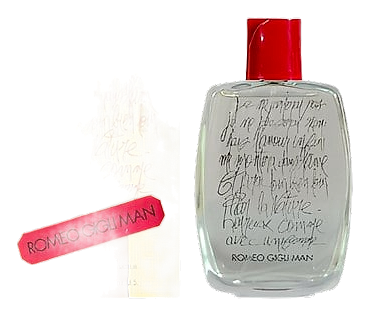
In 2004, Romeo Gigli returned to fragrance with a clear intent. The Italian designer had spent two decades translating fashion into scent, his 1989 debut Romeo Gigli Uomo structured around absinthe, its green juice mimicking the legendary spirit. Romeo Gigli Man arrived with a different ambition: to bottle the feeling of coastal light. Not the postcard version. The real one, salt in the air, warmth on stone, the hour when the afternoon finally breaks. Alberto Morillas built the composition around this tension: citrus that opens bright, greens that soften the landing, woods that keep everything grounded long after the sun goes down.
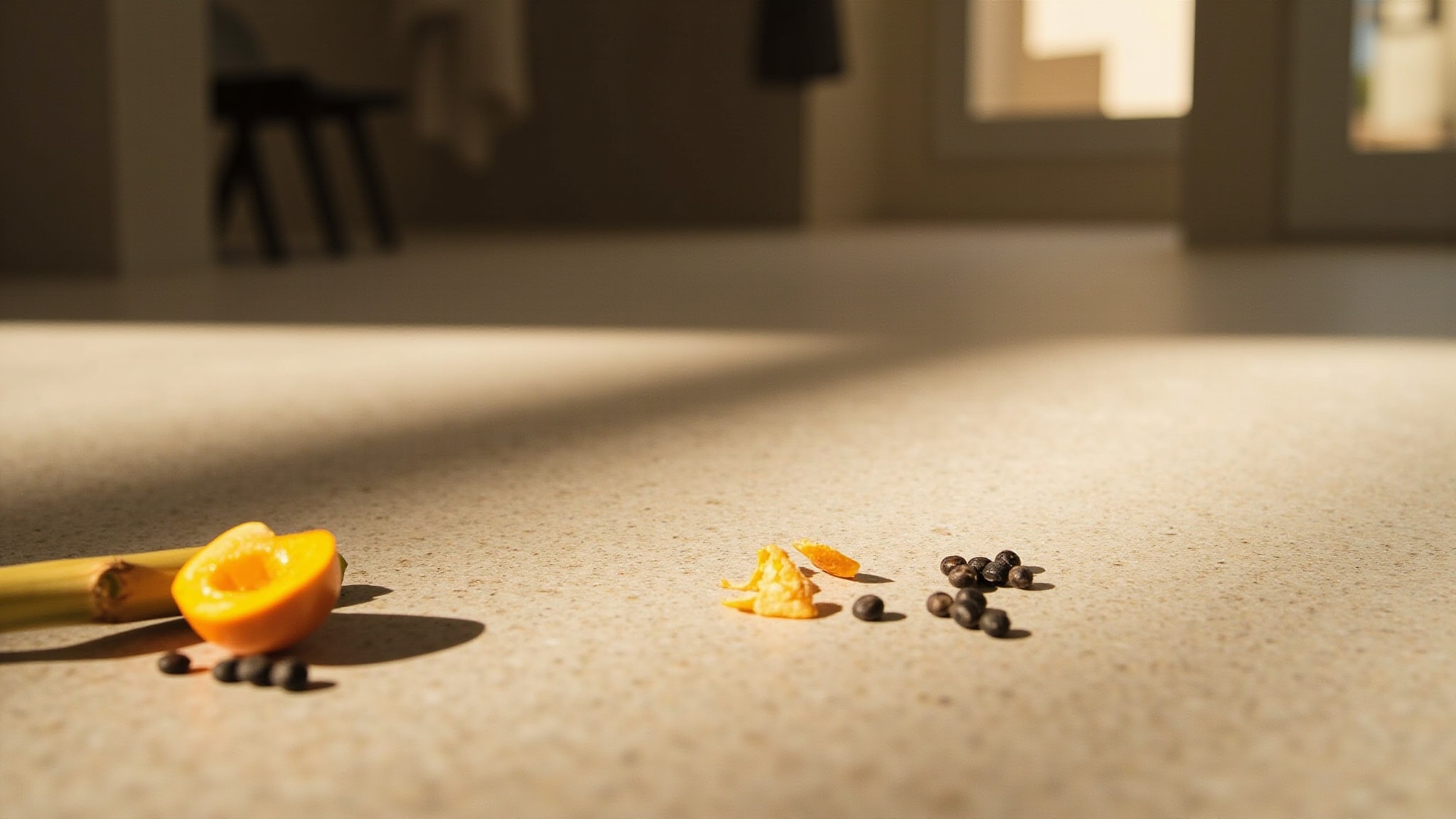
What makes the structure unusual is the bamboo. Not a common note in masculine fragrance in 2004, it sits in the heart alongside geranium and black pepper, bridging the citrus opening and the woody base without either side winning. The yuzu and mandarin orange hit first, a triple citrus salvo that reads sharp for fifteen minutes before geranium and pepper arrive to soften the edges. By the time cypress and patchouli arrive in the base, the composition has shifted twice. That's the arc: bright, then green, then warm. Three movements in a single wear.
The evolution
The opening lasts fifteen minutes, yuzu and mandarin orange hitting bright and almost sharp before bergamot smooths the edges. Then bamboo takes over. Not loud. Watery-green, almost meditative. The geranium arrives quietly, adding a rose-like softness that feels at odds with the pepper and cinnamon in the heart. That's the interesting phase: fresh and warm pulling in different directions. The drydown is where cypress and patchouli settle in, woodier than expected, with a skin-close musk that keeps the whole thing intimate. Four to six hours on most skin. Less on dry. The next morning, a faint warmth on the wrist. Not the fragrance itself. The memory of it.
Cultural impact
Romeo Gigli Man carved a quiet space in 2004 masculine fragrance, not trying to compete with the aquatic trend or the spice-heavy flankers dominating that era. The bamboo and yuzu combination felt distinctively green without going aquatic, distinctively warm without going heavy. It found its audience in wearers who wanted Italian elegance without Italian performance, moderate projection, intimate drydown, something that works close to the skin rather than across the room.