



Heritage
A house, in its own words
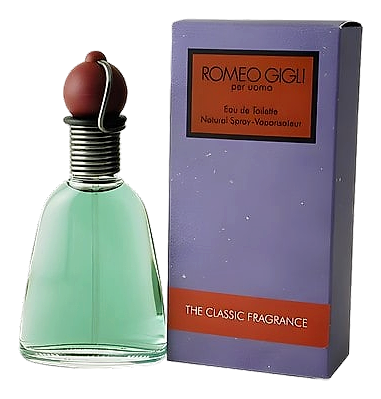
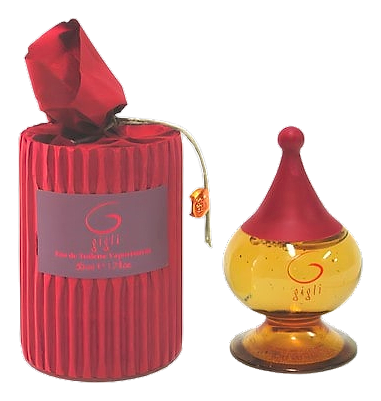
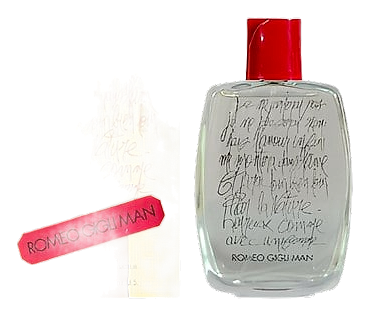
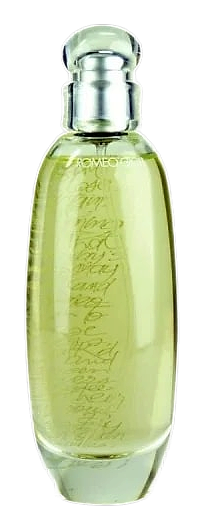
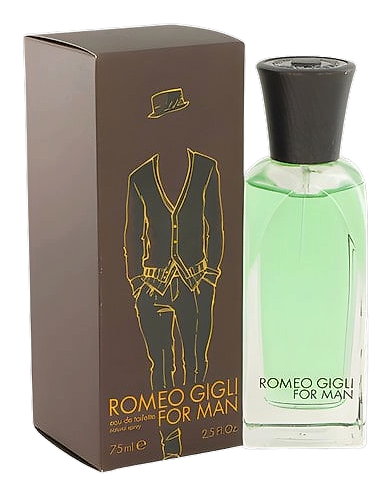
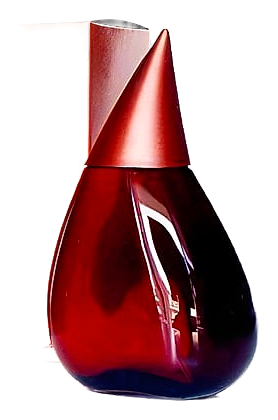
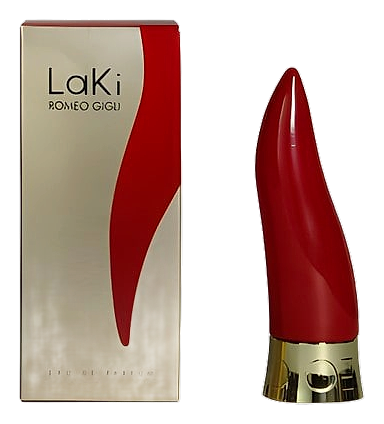
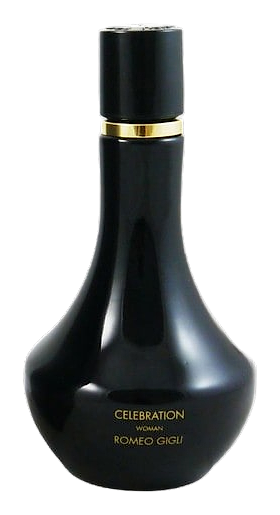
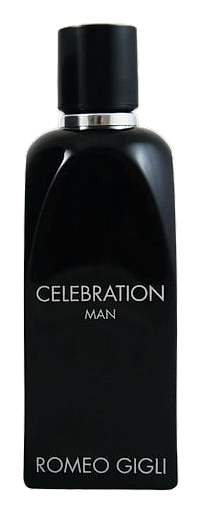
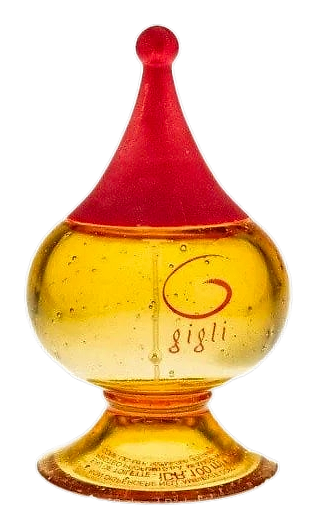
Romeo Gigli emerged as a distinctive voice in Italian fashion during the early 1980s. He established his own company in 1983, setting up the manufacturing process with Novara-based company Zamasport, which handled production of his clothing line. The young designer quickly attracted favorable attention from fashion press, earning notices that positioned his work within the broader landscape of Italian luxury fashion. His aesthetic drew from classic Italian elegance while incorporating a softer, more romantic sensibility than some contemporaries. The move into fragrance represented a natural extension of his design universe, allowing clients to carry the brand identity beyond clothing. Romeo Gigli's entry into perfumery coincided with a period when fashion houses increasingly viewed scent as essential to their brand ecosystems. His first fragrances launched in 1989, establishing a template for subsequent releases that would translate his fashion vision into olfactory form. The company structure evolved over subsequent decades, with ITF Cosmetics eventually becoming parent company. His fragrance house expanded through the 1990s and 2000s with releases like Sud Est in 1995, G Gigli in 1994, Romeo Gigli Man in 2004, and Romeo Gigli Women in 2012. Each release maintained connections to the Mediterranean aesthetic that defined his broader brand identity. Romeo Gigli approached fragrance as an extension of his fashion philosophy, believing scent should function as an invisible garment. His design background informed a commitment to timeless elegance over trend-driven novelty. Mediterranean imagery, particularly the light and atmosphere of coastal Italy, consistently influenced his creative direction. He reportedly sought to capture ease and warmth in his formulations, avoiding heavy or aggressive compositions in favor of softer, more inviting profiles. The decision to work with Alberto Morillas on foundational fragrances reflected a desire for technical excellence paired with creative vision. His early fragrance work emphasized floral and citrus elements, reportedly to evoke freshness and natural beauty rather than manufactured glamour. The brand philosophy positioned scent as intimate and personal, meant to suggest rather than announce. This approach aligned with Gigli's broader design ethos that valued subtlety and refinement in luxury goods.