The Story
Why it exists.
The beginning
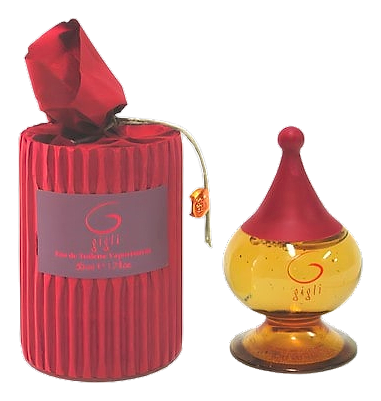
Sophie Labbé crafted G Gigli in 1994 as the second chapter in Romeo Gigli's feminine fragrance collection, following Romeo di Romeo in 1989. Where that debut reached for boldness, G Gigli steps back, into restraint, into green, into something that doesn't demand attention. The G stands for something. It might stand for 'green.' It might stand for 'gardenia,' though gardenia isn't in the notes. It stands for a kind of elegance that arrives without announcement.
The structure is unusual for 1994. Labbé built upward from green notes and tarragon, herbaceous, almost savory, before letting the floral heart arrive. Most florals of the era opened with the flowers. This one makes you wait. The orris root and orchid in the base add a waxy, almost powdery depth that keeps the florals from floating away. It's the kind of composition that rewards patience.
The evolution
The opening hits sharp and green, bergamot and tarragon cutting through before the hyacinth arrives, sweet and almost aquatic. Pineapple threads in quietly, not tropical-showoff but something fruitier tucked beneath the green. Then the composition shifts. Cyclamen and rose take over, their powdery softness overtaking the initial brightness. The heart holds for hours, longer than expected. When it finally fades, what remains is musk, sandalwood, cedar, a warm, close-to-the-skin drydown that lingers into the evening. Oakmoss keeps it earthy. Orchid keeps it interesting.
Cultural impact
G Gigli occupies a specific space in 90s feminine perfumery: green florals with powdery restraint, far from the loud projections of the era. Wearers describe it as the scent of someone who walks into a room and doesn't need to announce themselves. It's earned a loyal following among those who appreciate its quiet sophistication, those who choose it tend to keep choosing it, decade after decade.