
The Story
Why it exists.
The beginning
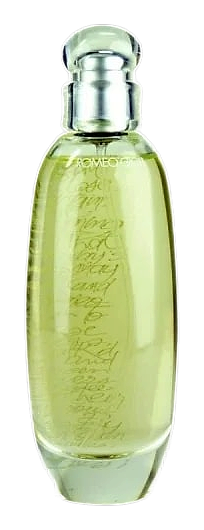
Di Romeo Gigli arrived in 1999 from an Italian fashion house known for refined sensibility. The composition opens with a powdery-floral character that arrives softly and settles into the day like something you forgot you were wearing. Delicate floral notes unfold with quiet confidence, creating an intimate olfactory experience that remains close to the skin. Warm undertones add depth without overwhelming, allowing each element to breathe. The name itself, Di, meaning of, signals belonging. Something worn and lived in rather than performed.
What makes this composition interesting is the iris bridge. It sits between the white florals and the woody base, creating a powdery middle ground that most fragrances of this era either rushed past or avoided entirely. Frangipani and honeysuckle bring the creaminess up top, but they don't dominate. They support. The cedar-sandalwood-pine structure underneath keeps everything grounded, warm, resinous, close to the skin. It's the kind of architecture that rewards wearing, not just sampling.
The evolution
The opening is quick and transparent. African orange blossom and cassis give way to frangipani, a tropical creaminess that arrives soft and does not push. Within thirty minutes, the florals settle. The heart takes over: iris, honeysuckle, jasmine. That is where the powder comes in. Not dusty. Not heavy. Just a dry, certain floralcy that feels like something familiar from a distance you cannot quite place. The drydown reveals its true depth. Cedar and sandalwood dominate now, warm and resinous, with a whisper of pine adding a faint forest note. Amber anchors everything, soft and close to the skin. The woody base lingers, revealing subtle complexities that continue to unfold over time.
Cultural impact
Di Romeo Gigli reflects a particular approach to fragrance that emerged from Italian fashion houses. Released in 1999, the composition carries a powdery-iris character that feels distinctly sophisticated. The balance of florals and warm woods creates something that rewards close attention rather than demanding it. It appeals to the wearer who prioritizes quality and thoughtfulness over recognition. The scent has earned devotion among those who appreciate discretion and nuance in their fragrance choices.
The House
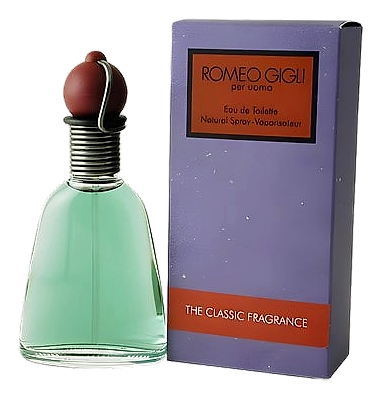
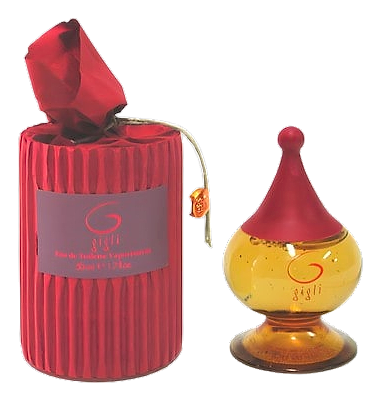
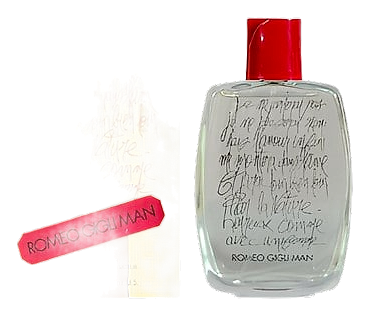
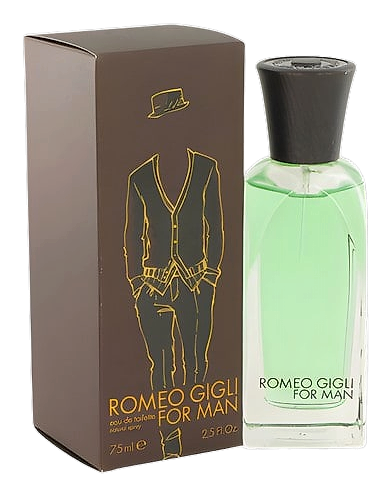
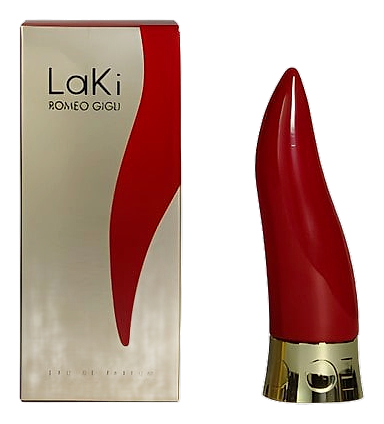
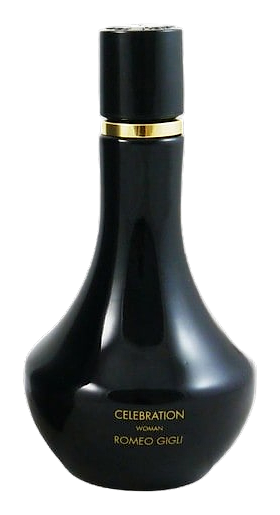
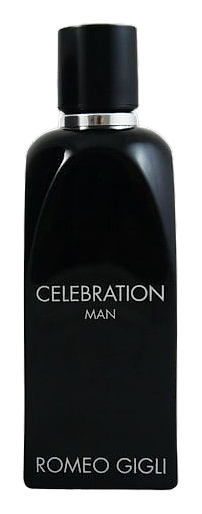
Romeo GigliRomeo Gigli built his name in 1980s fashion before translating his design sensibility into fragrance. The Italian creative launched his eponymous label in 1983, establishing a distinct voice in luxury clothing before branching into scent. His perfume collection spans both men's and women's offerings, including landmark releases like Romeo di Romeo Gigli from 1989 and Romeo Gigli per Uomo. The brand's fragrance portfolio centers on Mediterranean warmth and floral elegance, capturing the atmosphere of Italian coastal living through scent. Alberto Morillas, a celebrated nose in the industry, composed several of Gigli's signature scents. The brand operates under ITF Cosmetics as parent company and continues to offer its classic fragrance lineup to a devoted following.
The Creator
Nathalie FeisthauerIn the studio Feisthauer favors a linear approach: she isolates a core accord, then builds outward with complementary facets. She often begins with a mineral or green element, adding depth through woods, resins, or subtle spices.