The Story
Why it exists.
The beginning
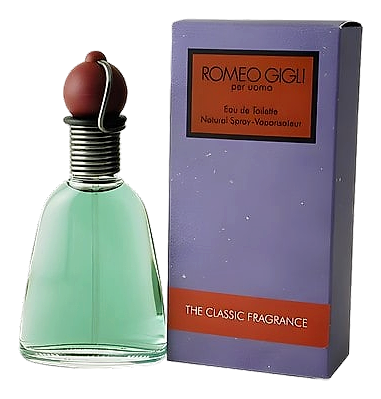
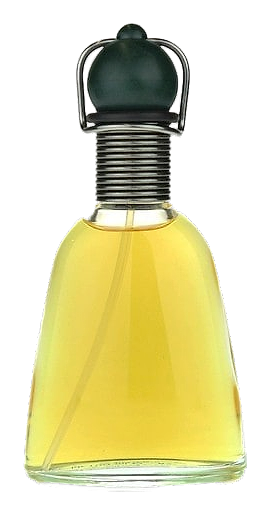
Sud Est means southeast in Italian, a direction, a destination, a sensibility. Romeo Gigli spent the early 1980s building a fashion label grounded in Mediterranean warmth and old-world romance, and by 1995 the house had established itself as a quiet authority in Italian luxury. Sud Est arrived that year as part of a fragrance collection designed to carry the brand's identity beyond clothing. The brief was simple: translate the ease of Italian coastal living into scent form, warm without heaviness, confident without announcement. The composition leaned into an herbal register that felt both contemporary and timeless, rooted in the green, aromatic tradition that the Mediterranean has always done best.
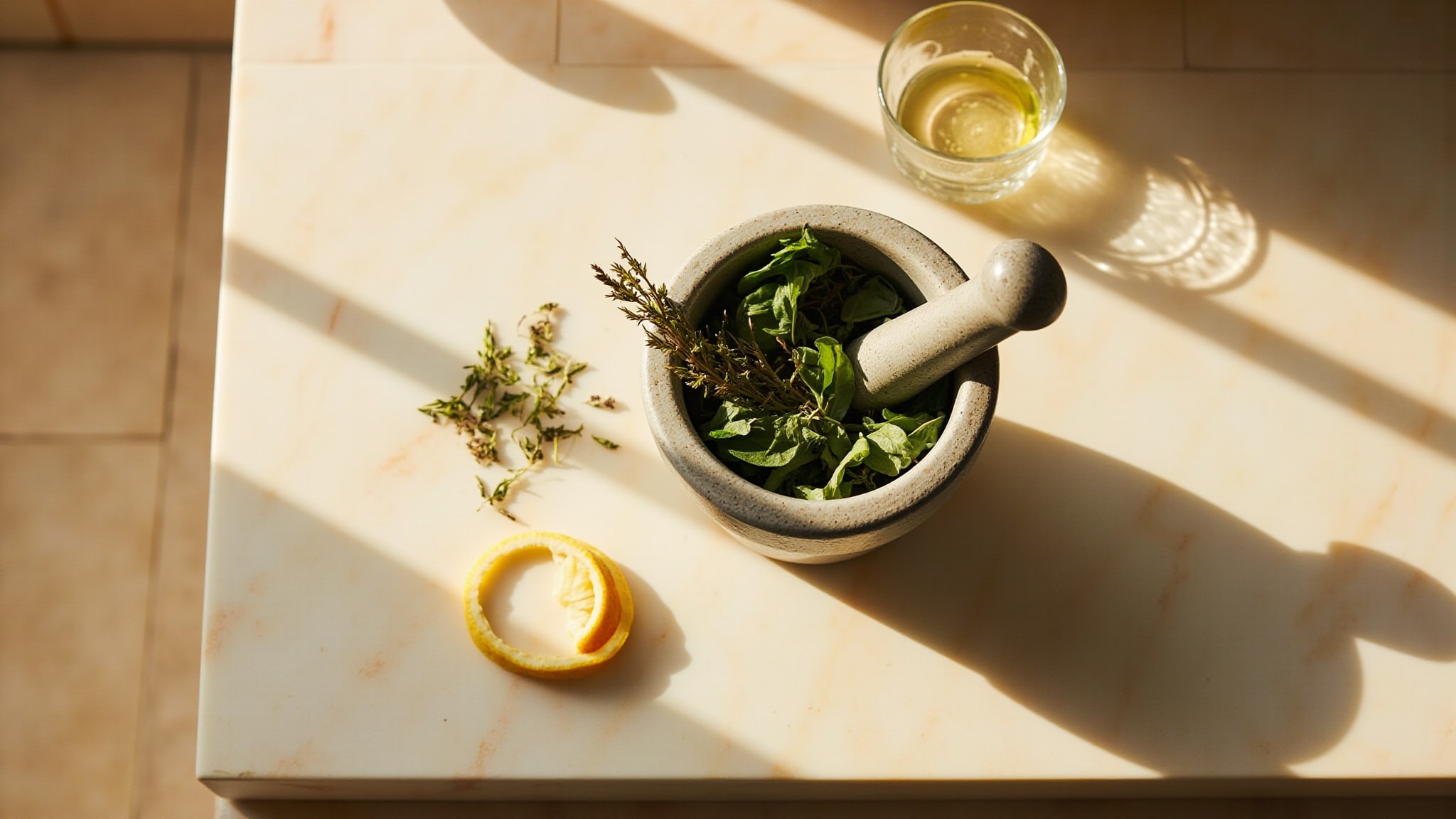
What separates Sud Est from its aromatic contemporaries is the balance it maintains across its lifespan. The top is aggressively green, basil and hyacinth arrive together with an herbal intensity that borders on medicinal before softening. But that sharpness never fully resolves into sweetness. Instead, the heart layers thyme, bay leaf, rosemary, and artemisia, an herbal cocktail that smells like the countryside, not a soap bar. The jasmine at the opening is a deliberate counterweight, a floral softness that keeps the herbs from reading too harsh on skin. By the time the woody-musk base arrives, the fragrance has quietly transformed from green statement to warm companion.
The evolution
The opening hits fast. Basil and hyacinth arrive together with a cold, almost mineral green quality that smells like crushed stems, immediate, clean, assertive. Bergamot sits beneath, barely visible in the first minutes. Within ten minutes the jasmine begins to surface, adding a translucent floral layer that tempers the herbal intensity without diluting it. This is the fragrance's most assertive phase. The heart phase is where things get interesting. Thyme and rosemary take over as the dominant players, with bay leaf and artemisia adding an almost bitter, medicinal edge that elevates the composition beyond a standard herbal fragrance. Cinnamon arrives quietly around the thirty-minute mark, threading warmth through the green. The drydown is where Sud Est earns its longevity. Woody notes and balsam fir arrive around the two-hour mark, grounding everything in a warm, slightly resinous base. Musk keeps it close. This is a fragrance that whispers by the end, present enough to notice if someone leans in, but never filling the room.
Cultural impact
Released in 1995 during a period when men's fragrance leaned heavily on aquatic and fougère compositions, Sud Est went a different direction. The herbal-green register was familiar territory but the depth in the heart, artemisia, thyme, bay leaf, set it apart from lighter contemporaries. It occupies a specific niche: the man who wants the freshness of a 90s aromatic but the complexity of something more considered. The moderate sillage means it never announces itself, which limits its broad appeal but deepens its cult status among those who find it. Romeo Gigli's fashion heritage informed the fragrance's restraint, this is not a fragrance designed to compete for attention. It rewards the wearer who doesn't need to.