
The Story
Why it exists.
The beginning
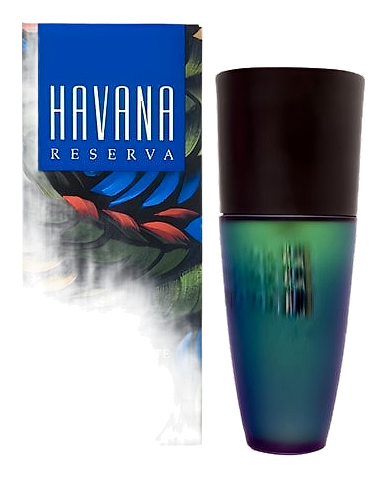
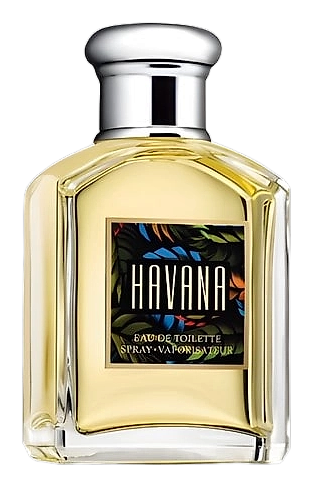
In 1994, Aramis commissioned Nathalie Feisthauer and Xavier Renard to build something that spoke to a particular kind of longing, a scent named for a city that existed as much in imagination as geography. The brief wasn't literal. It was atmospheric. Two French perfumers working within an American masculine house, tasked with translating desire into raw materials: what does a place smell like when you've never been there but carry it anyway? The answer arrived in citrus, herb, tobacco, and the kind of warmth that builds slowly rather than announces itself.
What makes Havana work is the tension between its opening and its finish. The top is almost clinical in its brightness, mandarin, artemisia, basil arriving in quick succession, crisp and green-edged. Then the fir and carnation shift the register. By the time tobacco and cinnamon settle in, the fragrance has done something unusual: it's moved from sharp freshness into full-bodied warmth without a jarring transition. The oakmoss in the base is what holds everything together, a classic chypre anchor that keeps the sweet spices from tipping into softness. It's a composition that respects structure.
The evolution
The opening hits clean and direct. Mandarin cuts through, basil adds an herbal edge, and for about twenty minutes the fragrance reads almost clean, crisp, green, intentional. Then the fir arrives. The tobacco doesn't wait politely in the background; it pushes forward, dense and slightly sweet, pulling cinnamon along with it. The carnation adds a quiet floral note that stops the spice from becoming coarse. As the composition settles, the oakmoss comes to the fore, bringing its classic chypre character into clearer focus. The drydown is where this fragrance lives, mossy, earthy, with sandalwood and vetiver lending a dry, slightly smoky finish that lingers on fabric long after your skin has moved on.
Cultural impact
Havana is a masculine fragrance built around tobacco as a central, defining element. The composition pairs this with warm spice notes and anchors them in a classic chypre structure featuring oakmoss, vetiver, and sandalwood. What emerges is a scent that carries weight and presence, earthy, aromatic, with an herbal brightness that keeps the tobacco from reading as heavy or dated. The fragrance operates in a space that feels neither aquatic nor clean in the modern sense; it's a statement of depth and character.