
The Story
Why it exists.
The beginning
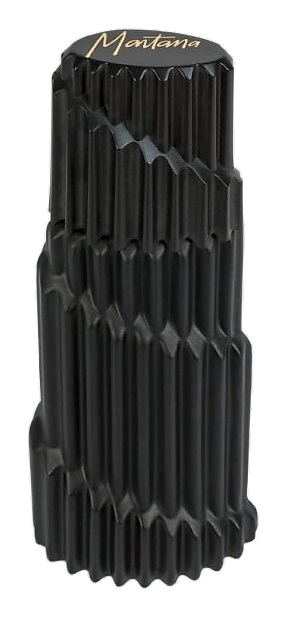
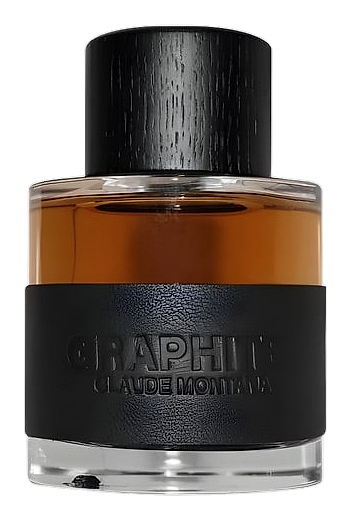
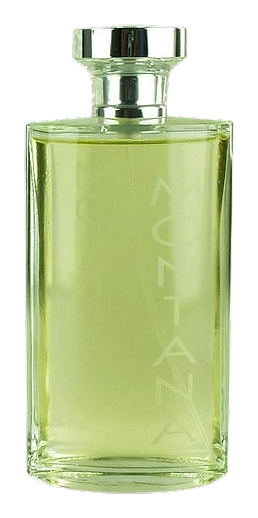
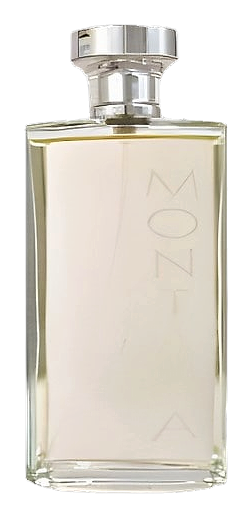
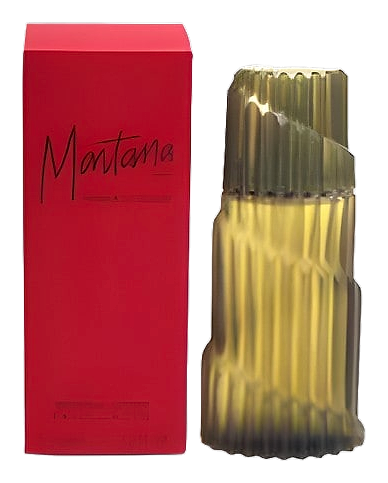
Parfum d'Homme arrived as a statement, translating the brand's fashion sensibility into olfactory form. The name itself announced its intentions plainly. The composition built itself around a tension: sharp spice and citrus meeting deep, almost confrontational warmth of animalic base materials. Spice notes open the experience with crisp clarity, while citrus adds brightness that lifts the blend. The interplay between these elements and the animalic base creates a fragrance that develops throughout its wear, each stage revealing new dimensions. Leather provides structural backbone, grounding the more volatile top notes and allowing the warm base to emerge gradually. This was masculine fragrance as declaration, not decoration.
What makes the structure work is the handoff between phases. The top notes arrive like a crisp morning, nutmeg's warmth, mandarin's brightness, black pepper's bite. No ambiguity. But underneath that opening, the leather and civet base is already building. By the time the citrus fades, you're not transitioning into the heart, you're descending into it. The geranium and sandalwood don't replace the opening so much as they hold it down, press it into the skin. Patchouli adds the earthiness that keeps everything grounded, prevents it from floating into abstraction.
The evolution
First hour: the citrus and spice hit clean and high. The aldehydes, yes, there are aldehydes in the full composition, add a metallic shimmer that reads as sharpness, as precision. Like the click of a collar tab. Then the leather arrives, dry and mineral, not yet warm. The nasturtium adds something unexpected: a green, almost peppery flower note that keeps the heart from becoming predictable. By hour three, the civet emerges. Not animalic in a confrontational way, more like the warmth of skin that's been wearing wool for hours. The ambergris adds brine, salt, a maritime edge that stops the sweetness from cloying. The drydown is close, intimate, the kind of presence that someone standing beside you will notice before someone across the room. On fabric, this one outlasts most others. You could wear it to an evening event and still catch the base notes the next morning on your shirt.
Cultural impact
Montana Parfum d'Homme belongs to a specific moment in masculine fragrance history. The animalic base and leather structure mark it as distinctly vintage. The composition opens with crisp, clean spice and citrus that create an immediate impression before settling into a warm, enveloping character. As it develops, the sharp clarity softens into something deeper, revealing leather and animalic notes that provide an almost confrontational depth. The dry down offers a persistent warmth that lingers on the skin for hours, a quality that separates vintage masculine compositions from the transparent, aquatic styles that followed.
The House
MontanaMontana is a French fragrance house born from the fashion house of designer Claude Montana. Established in Paris in 1979, the brand translated the designer's sharp, architectural aesthetic into a collection of bold scented compositions. Montana perfumes are recognized for their powerful, animalic character, particularly in foundational releases like Parfum de Peau from 1986. The house occupies a distinctive position in French perfumery, offering scents that embody the same provocative elegance that defined Claude Montana's haute couture. Each fragrance carries forward the designer's commitment to strong silhouettes translated into olfactory form, appealing to those who appreciate audacious, well-structured perfumes with a sensual edge.
The Creator
Edouard FléchierFléchier's style balances the generous, harmonious traditions of classic French perfumery with a distinctly modern edge. He favors opulent floral bouquets, particularly roses rendered in unexpected ways, pushing beyond convention into earthy, almost root-like territory.