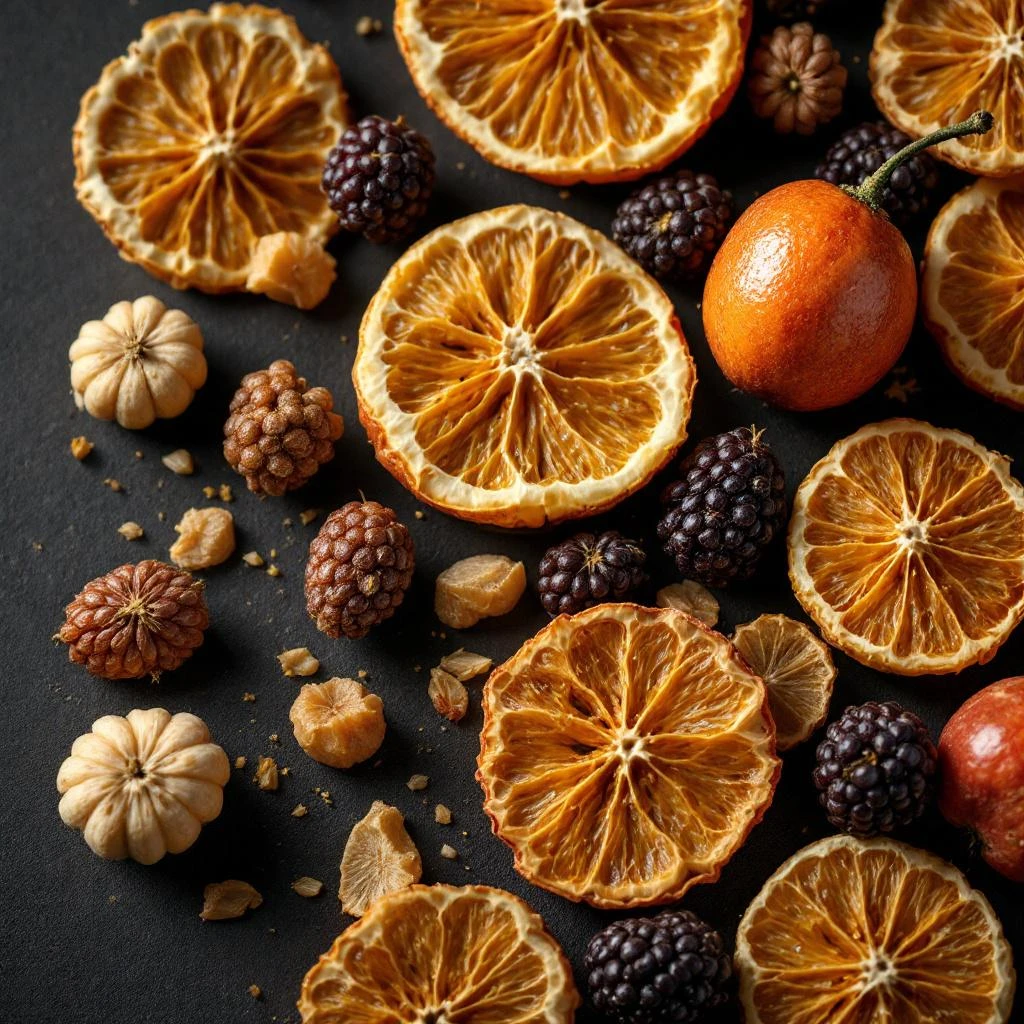
Nasturtium
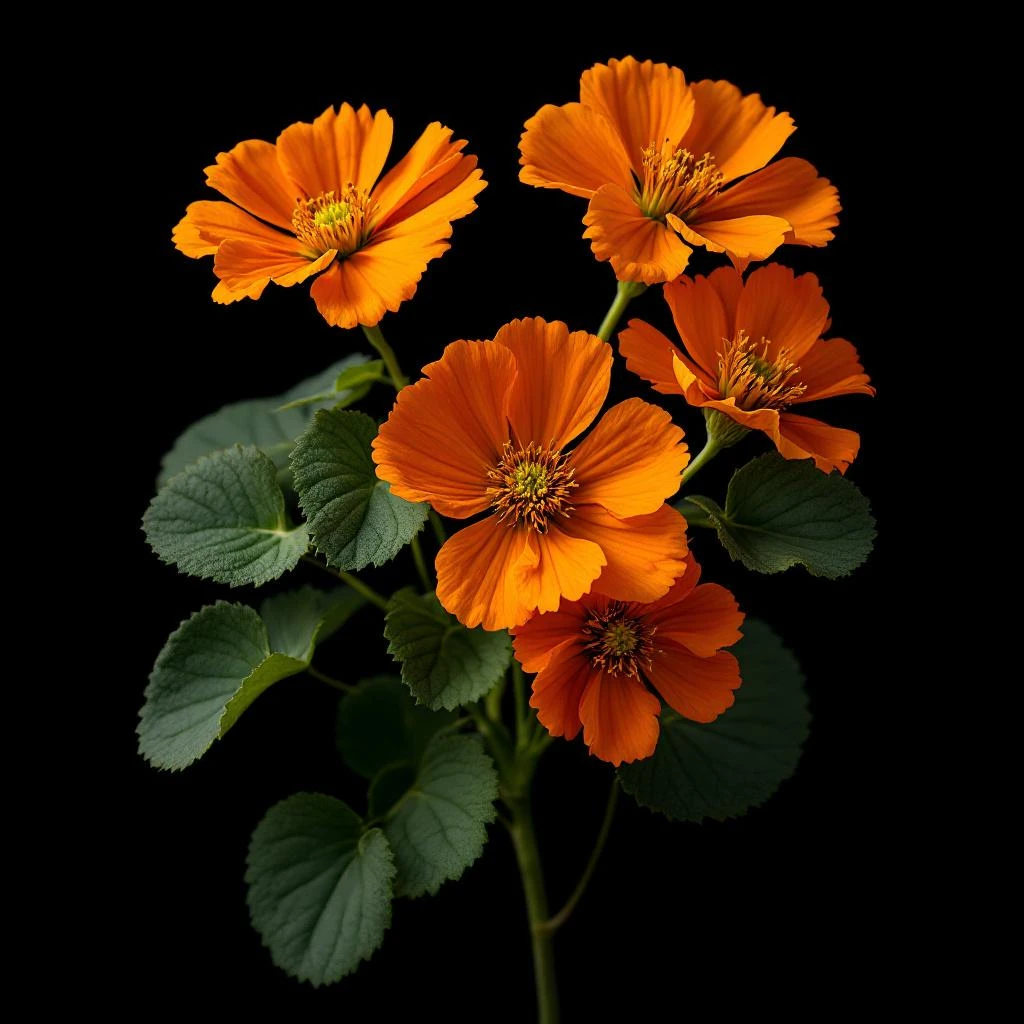
Nasturtium delivers a crisp, peppery green aroma that brightens blends with a subtle citrus edge, offering perfumers a fresh, herbaceous accent that recalls wild garden foliage.
Character
How it smells
Bright green spice with a citrus whisper.
Nasturtium flowers contain benzyl isothiocyanate, a compound also found in mustard seeds, which gives the note its distinctive peppery snap and has been studied for antimicrobial properties.







Origin
Peru
Nasturtium originates in the Andean highlands of Peru, where indigenous peoples cultivated it for both culinary and ceremonial purposes. Early Spanish explorers recorded its use in decorative garlands and as a fragrant offering in the 16th century.
By the 1800s, botanists introduced the plant to European gardens, where it attracted the attention of perfumers seeking a fresh, green note. The first documented use of nasturtium absolute appears in a French perfume catalogue from 1923, noted for its ability to lift heavy floral compositions.
Throughout the 20th century, the note remained niche, prized by artisanal creators who valued its natural vibrancy. Today, sustainable farming initiatives in the Andes support both local economies and the supply of high‑quality nasturtium material for modern fragrance design.
Wears it best
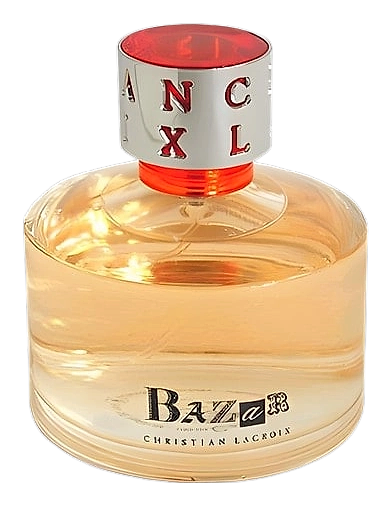
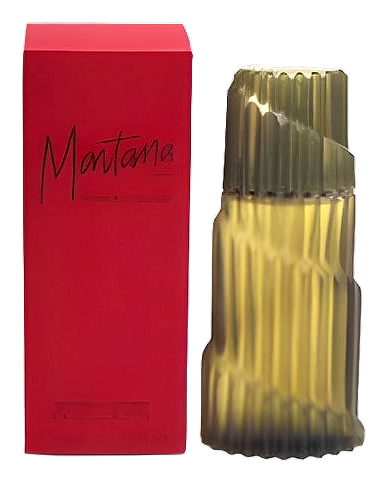
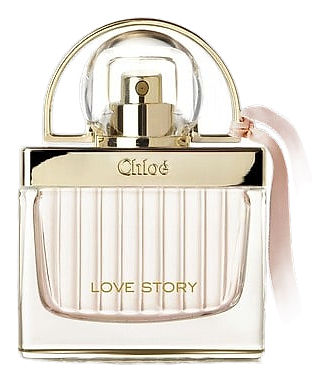
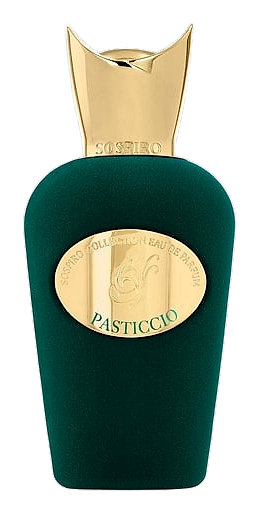
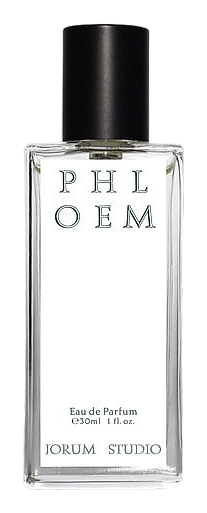
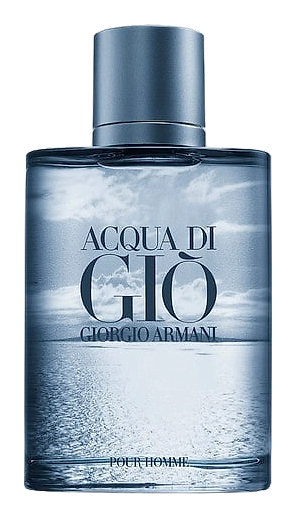
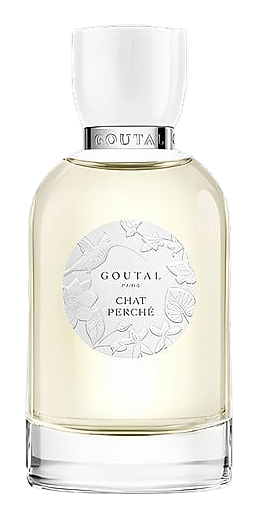
Fragrances featuring Nasturtium
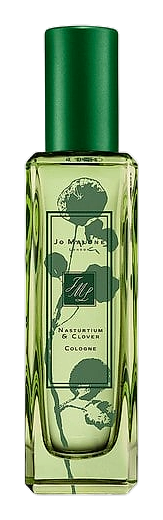
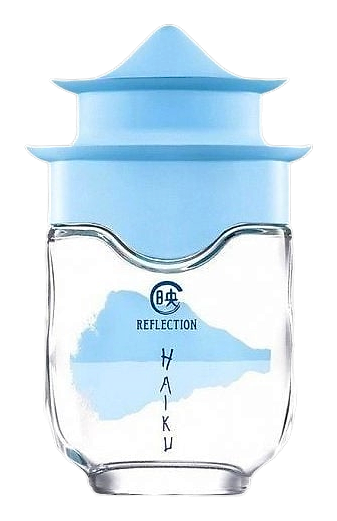
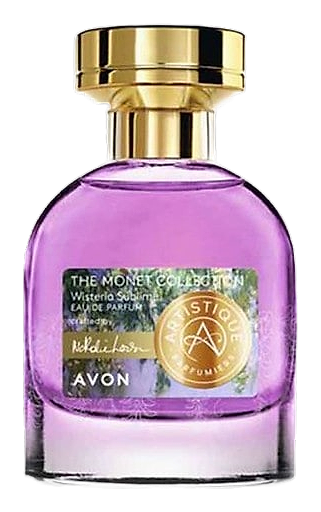
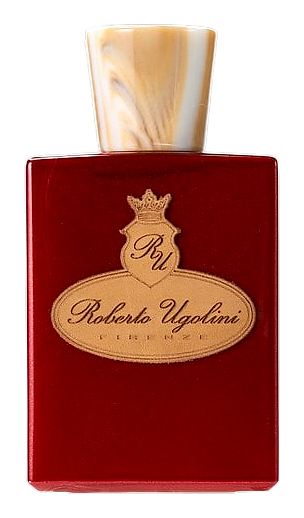
Brands
Brands known for Nasturtium
Good to know
Questions, answered
The essentials on Nasturtium in perfumery: how it smells, where it comes from, and how it behaves on skin.
What scent profile does nasturtium provide?
Nasturtium adds a bright, peppery green note with a faint citrus edge. A 2021 GC‑MS study identified benzyl isothiocyanate as the dominant compound, measured at 0.8 µg/g of the absolute.
How is nasturtium absolute produced?
Producers extract the aroma by soaking dried petals in ethanol, then separating the concrete and washing it with cold hexane. The process yields an absolute that contains roughly 0.6% of the key aromatic molecules.
Is nasturtium considered a sustainable ingredient?
Sustainable practices in the Andes protect biodiversity while supplying consistent raw material for perfumers.
Which fragrance families pair well with nasturtium?
Nasturtium blends smoothly with citrus, aromatic herbs, and light florals, enhancing freshness without overpowering. In a 2020 formulation test, adding 3% nasturtium to a bergamot‑lavender base lifted the top notes by 15% in blind panels.
Are there safety restrictions for using nasturtium in perfumes?
Manufacturers must follow these guidelines to ensure consumer safety.
What typical concentration is used in perfume compositions?
Perfume designers usually incorporate nasturtium at 1–3% of the total formula to achieve a noticeable green lift. A 2021 case study showed that 2% inclusion provided the optimal balance in a citrus‑green chypre.
Does the aroma of nasturtium change with extraction method?
Choosing the method depends on the desired character in the final perfume.
How widely available is nasturtium absolute on the market?
Nasturtium absolute is stocked by several specialty raw‑material suppliers, with annual shipments averaging 1.2 metric tons from Peru. The 2023 trade data shows a steady 5% year‑over‑year growth in demand among niche perfume houses.