


















Heritage
A house, in its own words
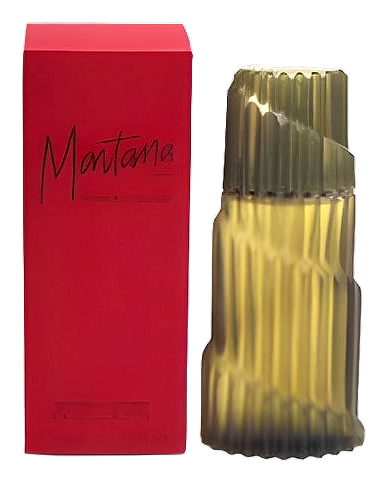
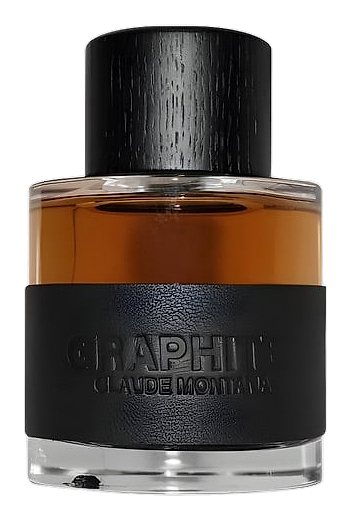
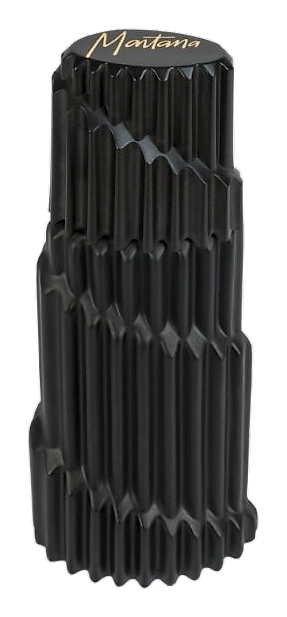
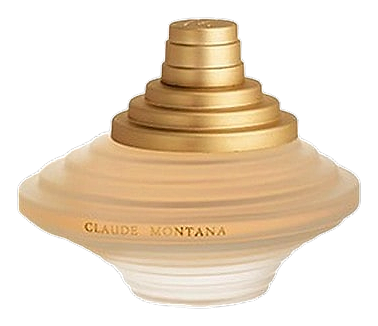
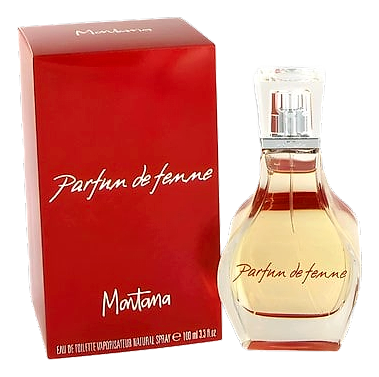
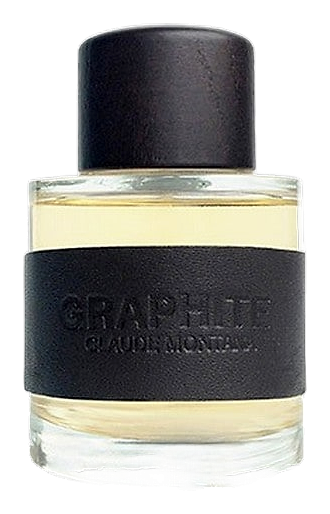
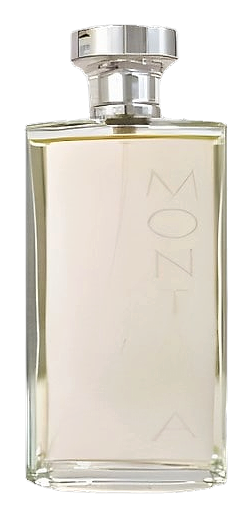
The story of Montana begins with Claude Montana himself, a Paris-based designer who established his namesake haute couture house in 1979 after a formative period at Lanvin, where he contributed several couture collections. Montana quickly distinguished himself within the Paris fashion scene through an avant-garde approach that favored sharp tailoring, bold volumes, and an unapologetically modern vision of femininity. The transition from fashion into fragrance came in 1986 with the launch of Parfum de Peau, a composition that mirrored the house's fashion ethos through powerful, animalic richness. This inaugural scent established parameters that would define the Montana fragrance collection: intensity, structure, and a certain audacity that set them apart from more conservative French houses. The following year, 1989, saw the introduction of Montana Parfum d'Homme, marking the house's entry into the men's fragrance market. Throughout the 1990s and 2000s, Montana continued expanding its olfactory portfolio with releases including Montana Homme in 2001, Eau Transparente in 2003, Samar in 2004, and Comore in 2004. The house later introduced anniversary and special edition flankers, including Montana Black Edition in 2011 and Montana 80 in 2010. In 2014, Claude Montana paid tribute to himself with the release of a namesake fragrance, while Peau Intense in 2019 revisited the house's foundational animalic themes. The Montana Collection continues to celebrate the legacy of this iconic French couturier, maintaining the bold, elegant spirit that has characterized the brand since its inception. Montana approaches perfumery with the same sensibility that defined its founder's couture: architecture translated into sensation. Where many fragrance houses prioritize lightness or subtlety as default virtues, Montana has consistently embraced power and presence as guiding principles. The house believes that a perfume should make a statement, should announce itself with conviction rather than whisper politely. This philosophy manifests in compositions built around animalic accords, rich texture, and an unmistakable projection that ensures the scent occupies space rather than merely inhabiting it. The designer's background in fashion architecture informed a fragrance philosophy that treats each scent as a structured composition with deliberate proportions and clear intent. Montana does not chase trends or pander to fleeting preferences; instead, the house has maintained a recognizable signature across decades of releases. The perfumes carry an inherently Parisian sensibility, sophisticated yet daring, rooted in tradition yet unafraid of provocation. This approach attracts a particular kind of fragrance wearer, one who values substance over subtlety, who wants their scent to be an extension of a bold personal presence rather than a background note. The philosophy ultimately holds that perfume serves as armor and declaration, a sensory signature that completes an outfit the way a Montana couture piece once did.