
The Story
Why it exists.
The beginning
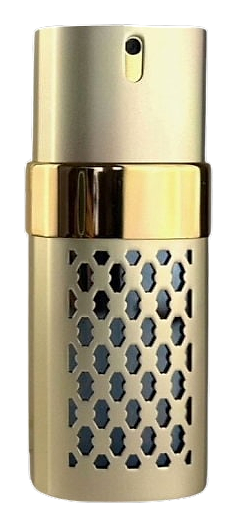
Gérard Anthony released Eau Cuivrée in 1994. The name means copper in French, the warm metallic tone that sits between gold and bronze. It was a color the Montana house hadn't touched before. Anthony built around a floral trio of jasmine, heliotrope, and carnation, threading patchouli and vanilla through the base. The copper reference was the concept: a metallic warmth translated into something you could wear on skin. No mist. No aquatic. Just the color of late afternoon.
The structure holds contrast as its operating principle. Bergamot and pineapple arrive bright, cool, almost crisp, then hand off to carnation's heat and tuberose's cream. Beneath everything, cedar and musk push upward. That's unusual. Most compositions let the base settle downward. Here, the woods push through the florals like something mineral pressing against fabric. Patchouli anchors the whole thing with an earthy snap that keeps the sweetness honest, never syrupy, never soft.
The evolution
The opening reads like fruit left out in cool air. Bergamot lifts, plum adds depth, and pineapple cuts through with something almost tart. Orange blossom sweetens it without softening the edges. For the first twenty minutes, it feels like a different fragrance, brighter, greener, almost astringent. Then the florals take over. Jasmine and ylang-ylang bloom into tuberose's cream, and the carnation introduces a spice that reads as warmth rather than heat. The drydown shifts the conversation entirely. Amber and benzoin arrive together, resinous and warm. Cedar asserts itself, dry and woody against the skin. Vanilla holds everything in place underneath. What lingers twelve hours later is sandalwood, musk, and something mineral, the copper, finally. Worn on fabric, it outlasts the garment. Worn on skin, it stays close and intimate rather than announcing itself across the room. Moderate sillage, exceptional longevity. The scent doesn't fill a space, it marks territory.
Cultural impact
Gérard Anthony composed for both mainstream and niche houses during a period when French perfumery valued character over caution. Montana's philosophy of translating architectural power into scent, bold presence, animalic warmth, structure that holds, placed this 1994 release among fragrances that refuse to disappear when you apply them. The house occupies a specific position: for those who want a scent that marks territory rather than merely inhabits it.