The Story
Why it exists.
The beginning
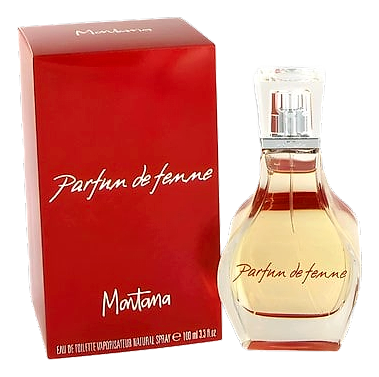
Parfum de Femme arrived in 2007 as Montana's statement on femininity translated into fragrance, not delicate, not polite, but something with genuine force behind it. The house had built its identity on bold compositions since Parfum de Peau in 1986, and this release continued that lineage while softening into something more wearable for daily use. The name itself says everything: this is perfume as declaration, not decoration.
What makes this composition work is how the florals never fully surrender to the orientals. The iris brings its characteristic powdery quality, that slightly woody, violet-like softness, while peony adds freshness that prevents the heart from collapsing into sweetness. Beneath both, patchouli and vanilla praliné form a base that gives the fragrance its staying power. Teakwood adds an unexpected dry woodiness that keeps the sweetness from becoming cloying. The result is a fragrance with genuine structure, florals and orientals in dialogue rather than competition.
The evolution
The opening is bright and alert, red apple's crisp sweetness against bergamot's citrus edge. Freesia appears briefly, a floral whisper that previews what's coming without announcing it. Within twenty minutes, the florals take over: iris and peony emerge together, cyclamen adding a watery green undertone that keeps the transition from feeling abrupt. The heart lasts roughly two to three hours, powdery and intimate, before the base begins to assert itself. Patchouli and vanilla praliné arrive together, creating warmth that anchors the entire composition. Amber gives it a honeyed glow while sandalwood and musk keep everything grounded. The drydown holds for hours after, the fragrance refuses to disappear quietly. Moderate sillage means it stays close to the skin rather than filling the room, which suits the intimate, confident character of the wear.
Cultural impact
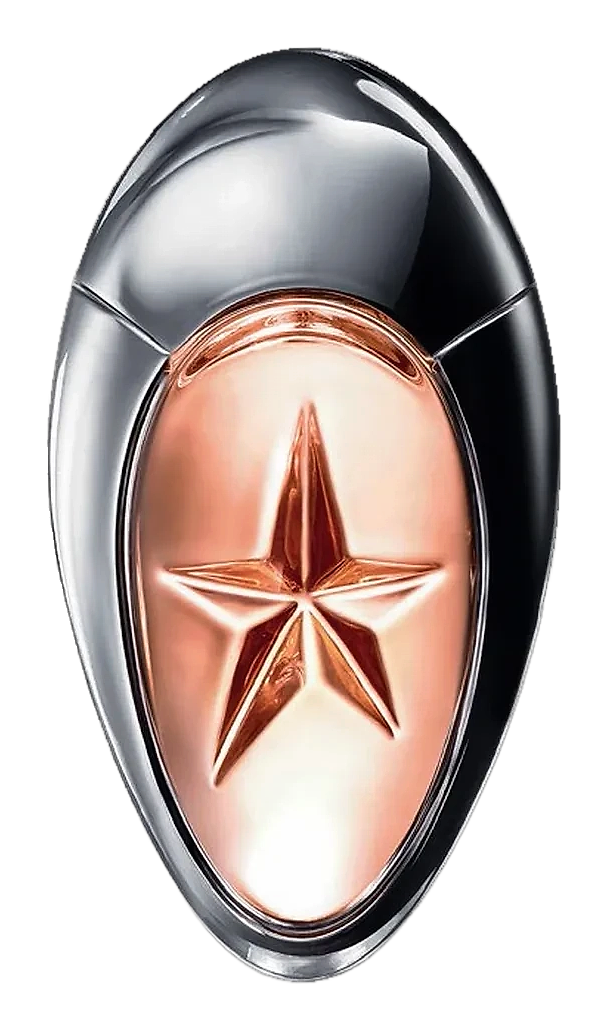
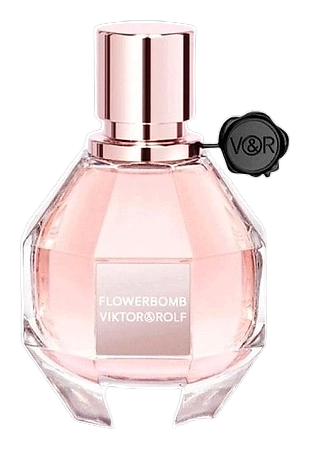
Parfum de Femme occupies a particular corner of the fragrance world: orientals that don't apologize for being oriental, florals that have actual depth underneath them. It draws comparison to gourmand classics like Mugler's Angel and Viktor & Rolf's Flowerbomb, though it carves its own identity through the powdery iris-peony heart. The fragrance has maintained a steady following not by chasing trends but by being exactly what it is, a bold, warm, confident scent for someone who wants presence without announcement. Those drawn to it tend to make it a signature rather than a rotation piece.