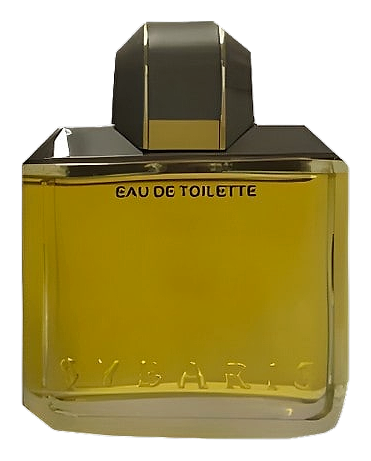

The Story
Why it exists.
The beginning
Sybaris takes its name from the ancient Greek colony in southern Italy, a city legendary for its excess, its luxury, its refusal to do anything by half measure. When Rosendo Mateu and Alberto Morillas developed this fragrance in 1988, they translated that ethos into scent: a masculine composition that makes no concessions. The brief was simple on paper: capture the idea of a man who knows exactly who he is. What emerged was a chypre that would quietly divide and conquer for decades.
The choice of cumin as a dominant top note was deliberate and brave. In 1988, animalic materials were becoming unfashionable as the industry chased clean, safe accords. Sybaris went the other direction, leaning into raw, human warmth that shifts on every wearer. The combination with aldehydes creates an unusual tension: synthetic brightness against organic earthiness. It's the fragrance's way of saying it won't be pinned down.
The evolution
The opening arrives sharp. Aldehydes lift the cumin, sending it skyward before it settles into something warmer and more intimate. Ten minutes in, the cloves and cinnamon arrive, they're here to build, not to overwhelm. The geranium adds a green, slightly medicinal counterpoint that keeps the spices from cloying. By the third hour, the heart has softened and the base takes over: leather, oakmoss, and a resinous incense that feels like warm smoke from a distance. The drydown is where Sybaris earns its name, it lingers. On fabric, it holds for a full workday. On skin, it evolves for hours, the leather and vetiver staying close and personal long after the citrus has faded.
Cultural impact
Sybaris occupies an interesting position: a discontinued fragrance that refuses to disappear. Wearers who found it in the late 1980s still speak of it with reverence, tracking down remaining bottles. It's become a quiet cult classic, the kind of fragrance people seek out after encountering it on someone decades ago. In a market flooded with safe, mass-appealing compositions, Sybaris stands as proof that boldness has a loyal audience.
















