
The Story
Why it exists.
The beginning
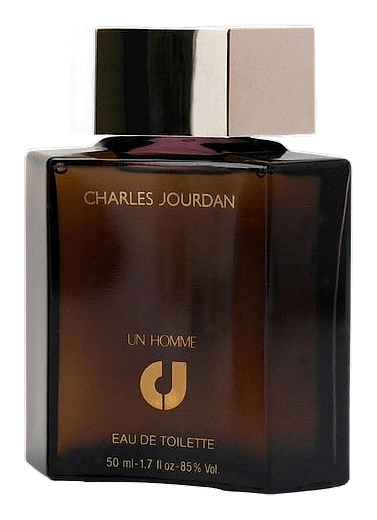
Un Homme arrived in 1980, composed by Françoise Caron for a French fashion house that understood elegance as architecture. Caron built the fragrance around a single ambition: to make lavender move. Not the lavender of soaps and sachets, the kind that arrives cool, insists on itself, then quietly refuses to leave. The name says everything. Un Homme is for the person who walks into a room with enough composure that the entrance barely registers.
What makes this work, what keeps people reaching for a bottle four decades later, is the way Caron balances the cool and the warm without smoothing the edges. The anise opens sharp and herbal, almost medicinal, then gets rounded by carnation's clove-like spice and jasmine's sweetness. Patchouli anchors everything in earthy depth. It's not trying to be modern. It's trying to be right. The structure follows a classic fougère template: lavender top, floral-spicy heart, mossy-leathery base. But the execution has a confidence that newer fragrances often lack, because the brief wasn't 'sell this' but 'make this true.'
The evolution
The opening hits with lavender and bergamot, bright and soapy-clean for exactly as long as it needs to. Thirty minutes in, the anise arrives and shifts everything. That herbal, slightly licorice bite, it doesn't soften the lavender so much as argue with it. The tarragon keeps the green alive. By the second hour, the heart takes over: patchouli earth, geranium's rosy spice, carnation's warmth, cedar's dry wood. This is where Un Homme stops being 'fresh' and starts being interesting. The base arrives slow, almost reluctant, oakmoss and leather settle close to the skin, amber and tonka add a faint sweetness, musk keeps everything warm and human. Eight to ten hours. Moderate sillage. You'll smell it the next morning if you wore it to bed.
Cultural impact
Un Homme sits in a particular corner of 1980s masculine fragrance, the fougère tradition that valued structure over spectacle. Wearers consistently describe it as the scent of someone who doesn't need to announce themselves. The anise-lavender tension keeps it from being merely 'classic' and gives it an edge that newer compositions often smooth away. It's been discontinued but continues to circulate among people who found it decades ago and refuse to let it go.