
The Story
Why it exists.
The beginning
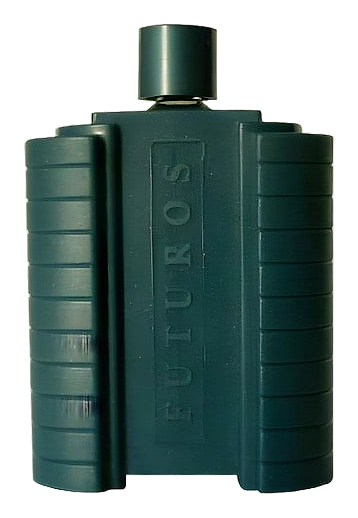
Aubusson launched its debut fragrance, Histoire d'Amour, in 1984. The brand spent three years building its identity around balance: warmth without volume, elegance without announcement. Futuros arrived in 1987. Where the debut looked inward, Futuros looked toward the modern man, an olfactory chapter written in green spice, oakmoss, and the kind of woody depth that holds its shape through a long night. The house called it Futuros. Future. A name that speaks to what comes next.
The oakmoss in Futuros isn't decoration. It's the structural backbone of the entire composition, the same moss that defined masculine chypres since the 1970s, lending that signature dark-green, slightly animalic base that synthetic replacements still haven't fully replicated. In this formula, it anchors a heart of woody notes and leather, warmed by tonka bean and sharpened by cloves. The result is a masculine fragrance that reads simultaneously vintage and timeless, the kind of dense, mossy character that has become increasingly rare since IFRA restrictions began tightening allergen and ingredient limits.
The evolution
Futuros opens with a green-spicy burst that hits immediately and doesn't apologize for it. The kind of opening that fills the senses in the first thirty seconds, cloves and something almost medicinal, the green note cutting through before it warms. Then the leather arrives. It doesn't compete with the green; it deepens it, adds weight and texture. The oakmoss stays present throughout the heart phase, a constant low note that gives the fragrance its vintage character. This is where it separates from contemporary masculine releases, the moss doesn't fade or soften into background noise. It holds. The drydown is where the tonka bean earns its place. Creamy, slightly sweet, it tempers the moss and leather into something that stays close to the skin for hours. Moderate sillage means it doesn't announce itself across a room, it arrives when you're close, lingers when you're already gone. On fabric, the oakmoss can persist into the next day.
Cultural impact
Futuros occupies a particular corner of masculine perfumery history, the oakmoss-forward chypres of the late 1980s. The warm-spicy, mossy, earthy, and leathery character places it squarely in that era, when masculine fragrances often embraced depth and complexity. The scent has attracted a following among collectors actively seeking out discontinued bottles with that traditional mossy character.