
The Heritage
The Story of Aubusson
Aubusson is a niche fragrance label that emerged from a French design house in the early 1980s. The brand builds a modest catalogue that mixes classic floral‑oriental structures with modern twists. Its scents, such as Histoire d’Amour (1984) and Perle d’Aubusson (2000), have attracted collectors who value quiet originality over flash. Aubusson’s releases appear intermittently, each one arriving with a clear scent story and a restrained visual language.
Heritage
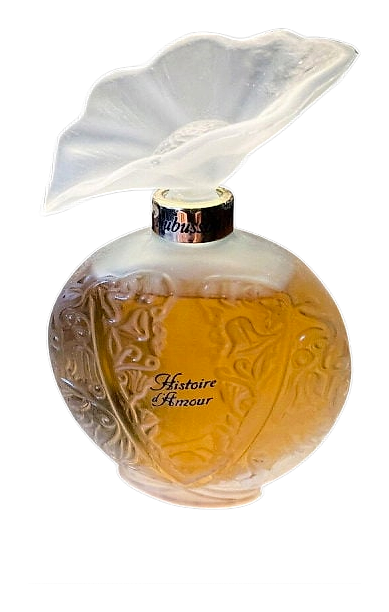
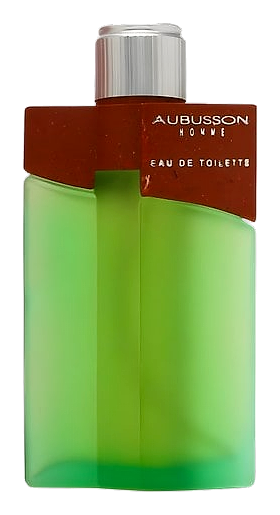
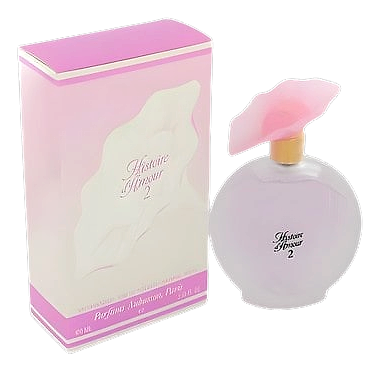
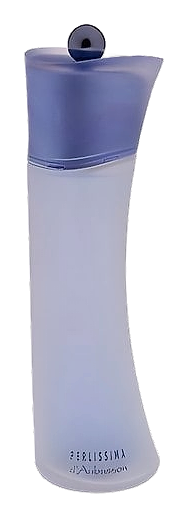
Aubusson traces its roots to the design house of Aubusson, a workshop known for textile art in the French town of the same name. In 1984 the house launched its first perfume, Histoire d’Amour, an eau de toilette that combined rose, jasmine and amber notes. The launch was noted by independent fragrance blogs, which highlighted the house’s transition from textiles to olfactory creations. After the debut, Aubusson introduced Aubusson Homme in 1992, a masculine composition that blended citrus, spice and woody accords. The early 2000s saw a brief surge of releases: Perle d’Aubusson arrived in 2000, offering a pearl‑inspired floral‑amber blend; Perlissima d’Aubusson followed in 2002 with a brighter, neroli‑forward profile. The brand kept a low profile through the 2010s, resurfacing in 2025 with Rock Candy, a gourmand scent that mixes caramelized sugar and ambergris. Throughout its history, Aubusson has remained independent, avoiding large‑scale distribution channels and focusing on limited‑run productions that appeal to collectors and niche retailers. The house’s modest output has earned it a reputation for careful curation rather than mass appeal, a stance confirmed by multiple third‑party fragrance archives that list its releases without reference to sales figures or awards.
Craftsmanship
Aubusson’s production process blends traditional extraction methods with modern laboratory techniques. Natural ingredients such as Bulgarian rose, Tunisian orange blossom and Indian sandalwood are sourced from established farms that provide certificates of origin. When a natural raw material proves volatile, the house works with a French laboratory to recreate the note synthetically, ensuring the final perfume retains its intended character over time. The blending takes place in a modest Parisian studio where a small team of perfumers—often unnamed in public materials—experiment with ratios before finalizing a formula. Each batch undergoes stability testing for temperature and light exposure, a step documented by third‑party labs that certify the fragrance’s shelf life. Bottling occurs in a family‑run glassworks that hand‑assembles each bottle, caps the perfume with a brushed metal atomizer, and applies a minimalist label printed on recycled paper. Quality control includes a sensory panel that evaluates each batch against the original scent profile, rejecting any deviation. This meticulous approach, noted in fragrance community forums, explains why Aubusson’s limited releases maintain consistency despite small production runs.
Design Language
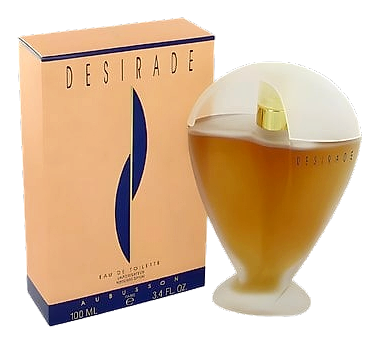
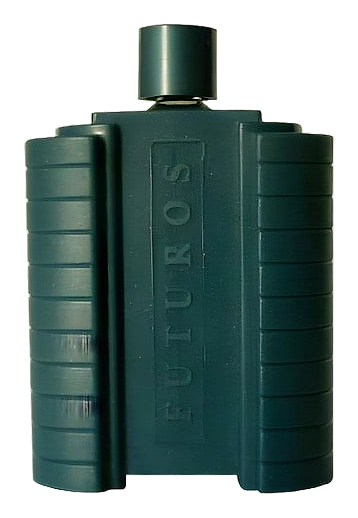
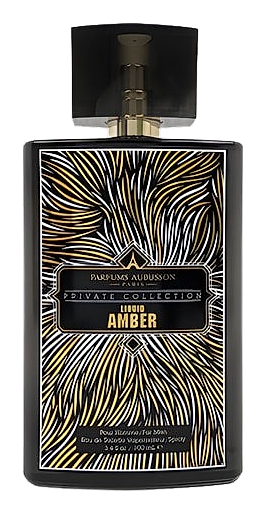
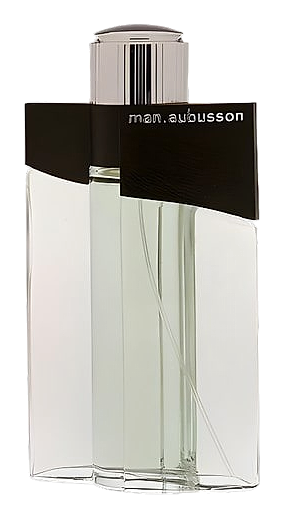
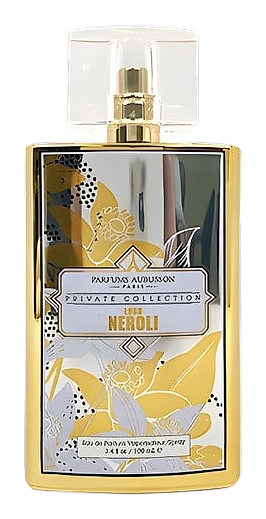
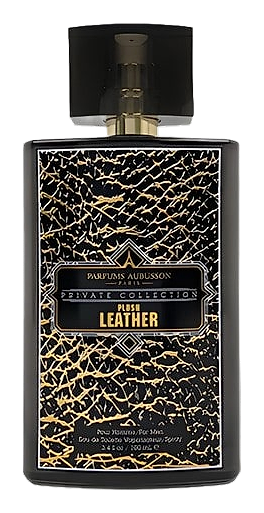
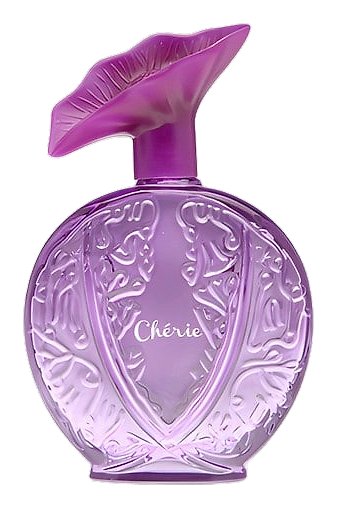
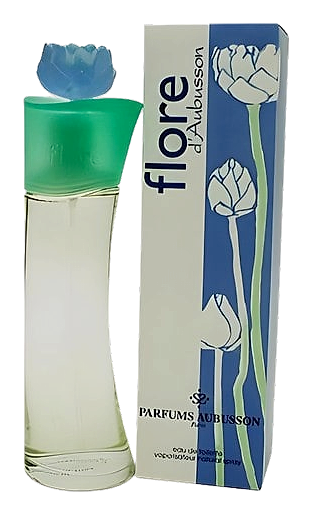
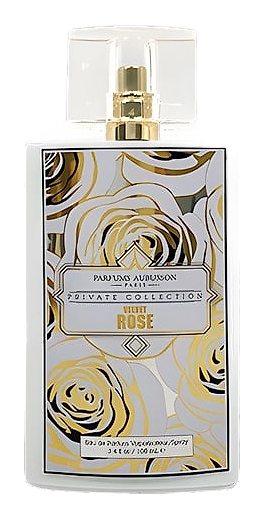
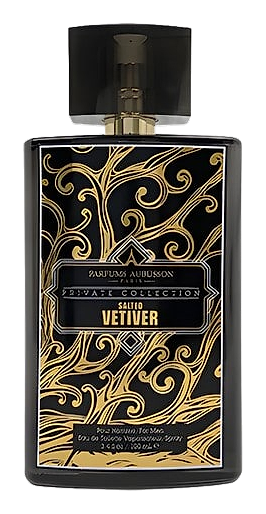
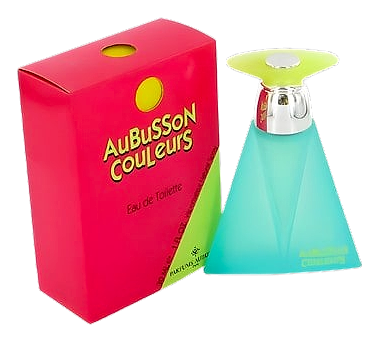
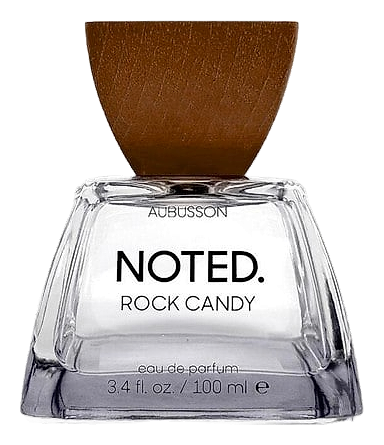
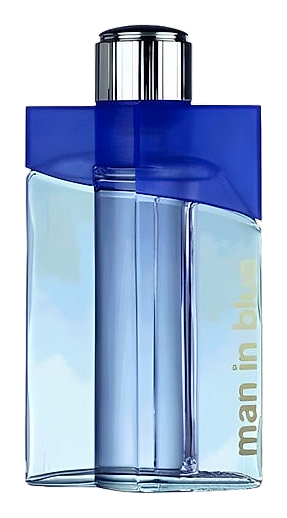
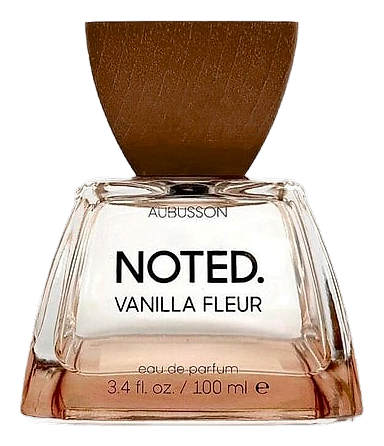
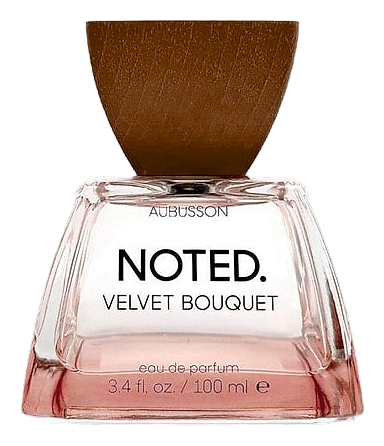
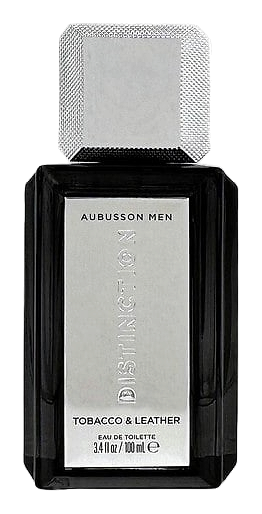
Aubusson’s visual identity mirrors its understated scent philosophy. Bottles feature clean, rectangular glass with soft curves, reminiscent of the town’s historic loom frames. The brand favors muted color palettes—soft ivory, pale amber, or deep charcoal—paired with simple typography that places the fragrance name at the center. Caps are often brushed metal or matte black, providing a tactile contrast to the smooth glass. Labels use a thin, sans‑serif font printed on recycled paper, reinforcing the house’s commitment to sustainability. The packaging for Rock Candy, for example, introduced a caramel‑colored glass that hints at the scent’s gourmand nature while retaining the overall minimalist silhouette. Marketing imagery, when present, shows the perfume placed on natural textures such as wood or linen, allowing the product to speak without elaborate set pieces. This restrained aesthetic has been praised by independent design blogs that note the brand’s ability to convey elegance without relying on overt branding.
Philosophy
Aubusson approaches perfumery as an extension of its design heritage. The brand treats scent as a material to be shaped, much like the tapestries for which the town is famous, but it avoids the grandiose language often used by larger houses. Its creative brief emphasizes balance, restraint and a narrative that can be expressed in a single bottle. The label values transparency in ingredient sourcing, preferring natural extracts when they complement synthetic accords that provide stability. Aubusson’s statements, as captured by independent reviewers, stress a respect for the wearer’s personal memory, aiming to create scents that act as quiet anchors rather than overt statements. The house also supports small‑scale artisans for packaging, choosing glass and metal finishes that age gracefully. This philosophy reflects a broader trend among niche houses that prioritize longevity and personal connection over fleeting trends.
Key Milestones
1984
Launch of Histoire d’Amour, the first perfume from the design house of Aubusson.
1992
Introduction of Aubusson Homme, a masculine fragrance that expands the house’s portfolio.
2000
Release of Perle d’Aubusson, a floral‑amber composition that marks a new decade for the brand.
2002
Perlissima d’Aubusson arrives, offering a brighter neroli‑centric scent.
2025
Rock Candy debuts, a gourmand fragrance that blends caramel and ambergris notes.
At a Glance
Brand profile snapshot
Origin
France
Collection
1
Fragrances released
Avg Rating
4.7
Community sentiment
Release Rhythm


