
The Story
Why it exists.
The beginning
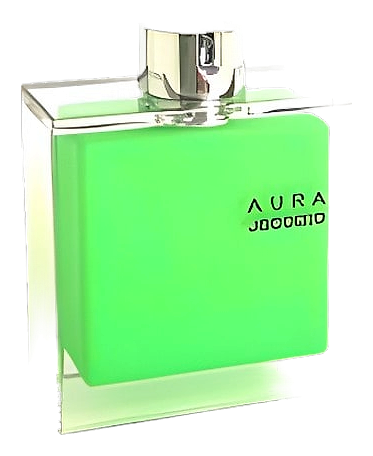
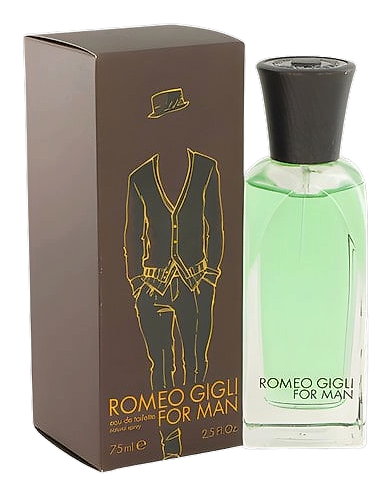
Romeo Gigli For Man arrived as an extension of the brand's sensibility, something meant to be worn close and personal. The composition was structured around contrast, cold and warm, green and amber, opening and closing in a deliberate push and pull. Where other releases in the line offered softer, more delicate character, this one pushed toward something more deliberately aromatic, more assertive in its presence. The structure moves from an initial brightness through a warmer heart before settling into a base that brings everything back down to earth. There's an underlying interest in tension throughout the work, now translated into something you could smell, a fragrance that rewards attention and reveals new facets the longer you wear it.
What makes this composition work is the way it refuses to commit to a single register. The top reads as sharp and almost medicinal, juniper, elemi resin, green notes pushing through citrus, but beneath that, the heart is doing something softer entirely. Heliotrope brings almondy warmth. Iris adds that powdery violet quality that splits opinion. Nutmeg and geranium introduce spice without heat. It's a fragrance with internal conflict, which is rarer than it should be in this category. The base compounds the effect: fir balsam and guaiac wood bring dry, slightly smoky woodiness, while vetiver and patchouli keep things earthy and grounded.
The evolution
The opening announces itself confidently with citrus and green notes, juniper and cypress standing out immediately. That juniper presence lingers at the start before the heart notes begin asserting themselves. The transition feels gradual rather than dramatic, geranium and heliotrope easing in as the citrus recedes. The heart phase brings a powdery iris-heliotrope warmth tempered by nutmeg, creating a soft middle ground that bridges the bright opening and the deeper base. Then the base takes over, and this is where the fragrance earns its complexity. Vetiver and fir balsam arrive together, bringing a sharp, green-woody quality that lifts the powdery warmth from above. Oakmoss anchors everything, adding that dusty, slightly bitter finish that keeps the composition from going flat.
Cultural impact
Romeo Gigli For Man holds an interesting position in the fragrance landscape. Discontinued but not forgotten, it exists outside of mainstream conversation, which is part of its character. The fragrance doesn't appear on every recommendation list or get mentioned as a default choice. Instead, it rewards those who seek it out, offering something that feels distinct from more commonly discussed releases. Its composition places it in a particular moment in fragrance history, with a structure and character that feels deliberate and considered rather than following current trends.