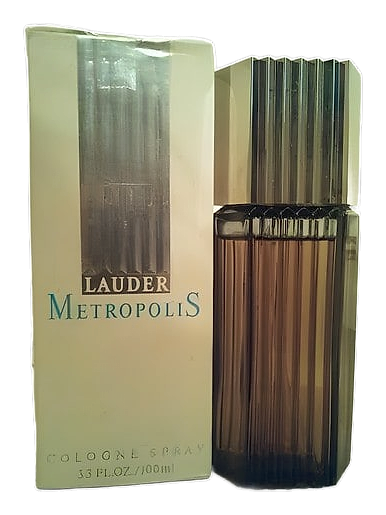

The Story
Why it exists.
The beginning
Pierre Wargnye built Metropolis for a city that never apologized for being itself. 1987 New York, glass towers, grit, ambition pressing against glass. The name alone said everything. A fragrance named after the silent architecture of power, the anonymous geometry of crowds, the particular silence of 2 AM streets. Wargnye didn't reach for citrus tropes or green clichés. He reached for contrast. Mint and leather. Pineapple and moss. Something bright that could survive the dark.
What makes this structure unusual is the fougère skeleton running underneath everything. Lavender opens, yes, but it's anchored by clary sage and artemisia, giving the herbaceous heart a bitter-green edge that most masculine fragrances of that era avoided. The pineapple note is a trick: it's sweetness that announces nothing, hiding in the mint until the base arrives. Then cedar and leather take over and suddenly the sweetness was the setup all along. Vetiver and patchouli in the base ensure this doesn't become a clean masculine, it becomes a specific one. Worn by someone who knows what they want and when.
The evolution
The first five minutes are mint-forward and almost clinical. Peppermint and petitgrain hit the air like cold glass. Mandarin orange flickers briefly, then vanishes. Lavender doesn't announce itself, it settles. The heart arrives quietly: clary sage, clove, carnation. The carnation is the tell. It adds a warmth that feels slightly spiced, slightly floral, entirely unexpected in a fragrance this masculine. By hour three, the drydown has taken over. Leather. Vetiver. Ambergris. The pineapple sweetness from the opening has transformed into something resinous and warm, like warmth remembering itself. On fabric, this stuff lasts into the next day. Cedar and moss linger on wool. Vetiver clings to skin. This is a fragrance that doesn't leave when you want it to.
Cultural impact
Metropolis won the 1988 FiFi Award for Fragrance of the Year, Men's Prestige. That's not a small thing. The FiFi is the fragrance industry's own recognition, voted by peers who understand that a good scent and a great scent are different animals. Bruce Boxleitner fronted the campaign, a face that read as competent, not performative. The fragrance itself disappeared from counters within a decade. The brand moved on. Collectors kept trading vials. What remains is a composition that reads as both of its era and ahead of it, the minty-green opening that was fashionable, and the leather-and-vetiver drydown that was permanent.