The Story
Why it exists.
The beginning
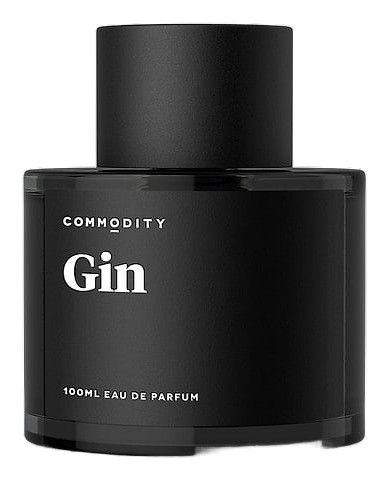
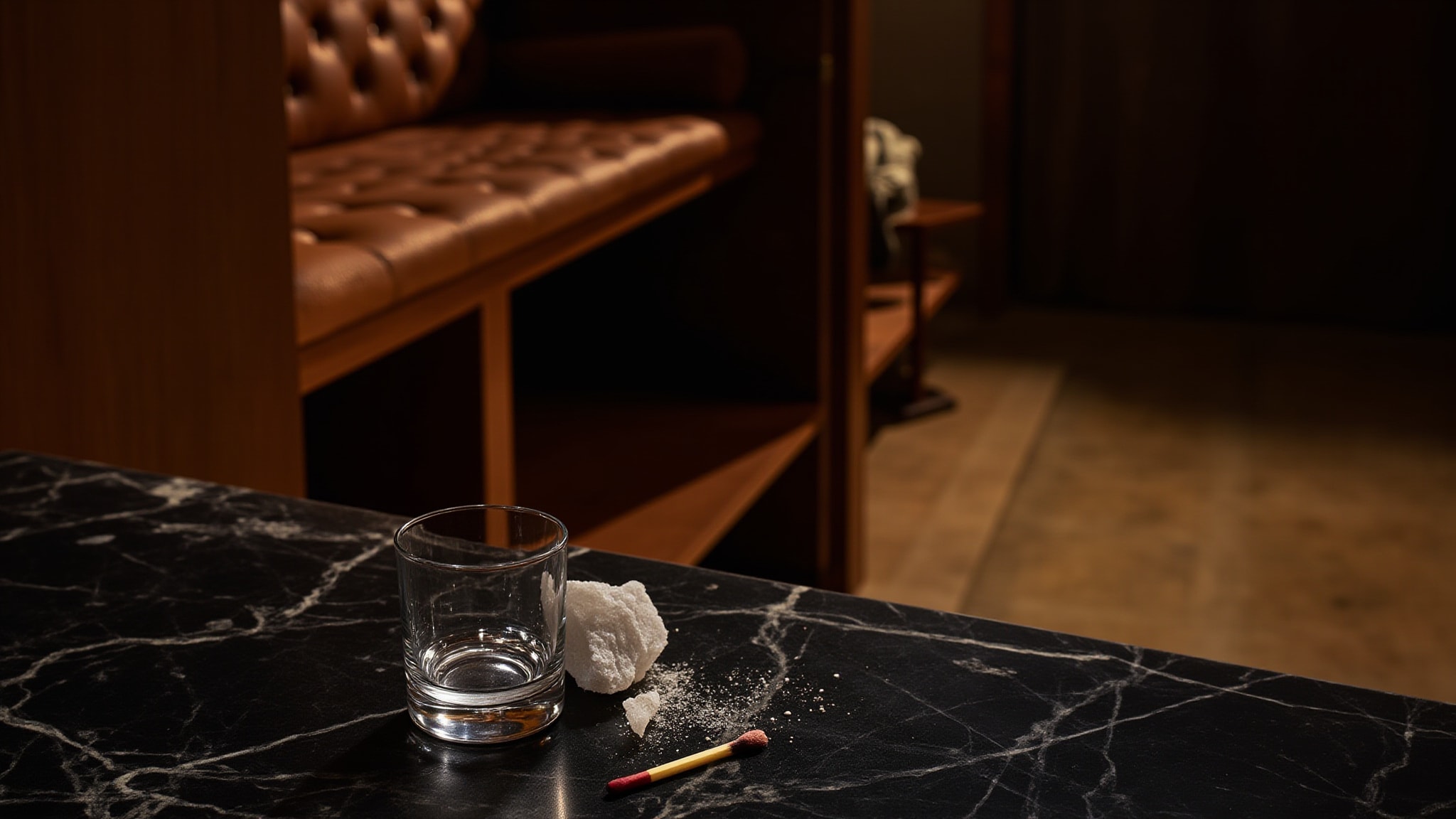
Gin was built around a night out. Olivia Jan, the maker behind this one, described it as a gathering for cocktails where the atmosphere is deep, dark, and mysterious, the glow of candles, textures of wood and leather, the soulful part of a conversation where you stop performing and start connecting. That's the emotional territory Gin occupies. Not the entrance. The moment after you've already decided to stay.
What makes this composition work is the restraint underneath the brightness. Junipers can read sharp, almost medicinal. Here, the lime and grapefruit juice cut that with tartness rather than sweetness, giving the opening real energy without tipping into cleaner territory. The ginger leaf in the heart is the pivot point. It bridges the citrus sharpness and the darker base, keeping the transition from feeling like two different fragrances. And the smoke in the drydown isn't fireplace smoke. It's closer to the char on the rim of a glass, present, but contained.
The evolution
The citrus opening announces itself clearly, juniper, lime, grapefruit in quick succession. Within minutes, the ginger and freesia soften the edges, and the composition starts to feel less like a cocktail and more like the room where the cocktail happened. The drydown is where Gin earns its name. Smoke and oak arrive together, wrapping around the musk and patchouli in a finish that stays close to the skin. On most people, it holds for a full workday. On fabric, it fades quietly, a trace of smoke by morning, gone after a wash.
Cultural impact
Gin sits in a curious space, fresh enough to wear in spring and summer, but with a smoky drydown that leans into fall and evening wear. It doesn't shout or announce itself. Wearers describe it as the scent of someone who walks into a room and doesn't need to say anything. The juniper opening will draw comparisons to high-end fragrances with a similar citrus-wood profile, but the smoke in the drydown is what makes Gin its own thing.