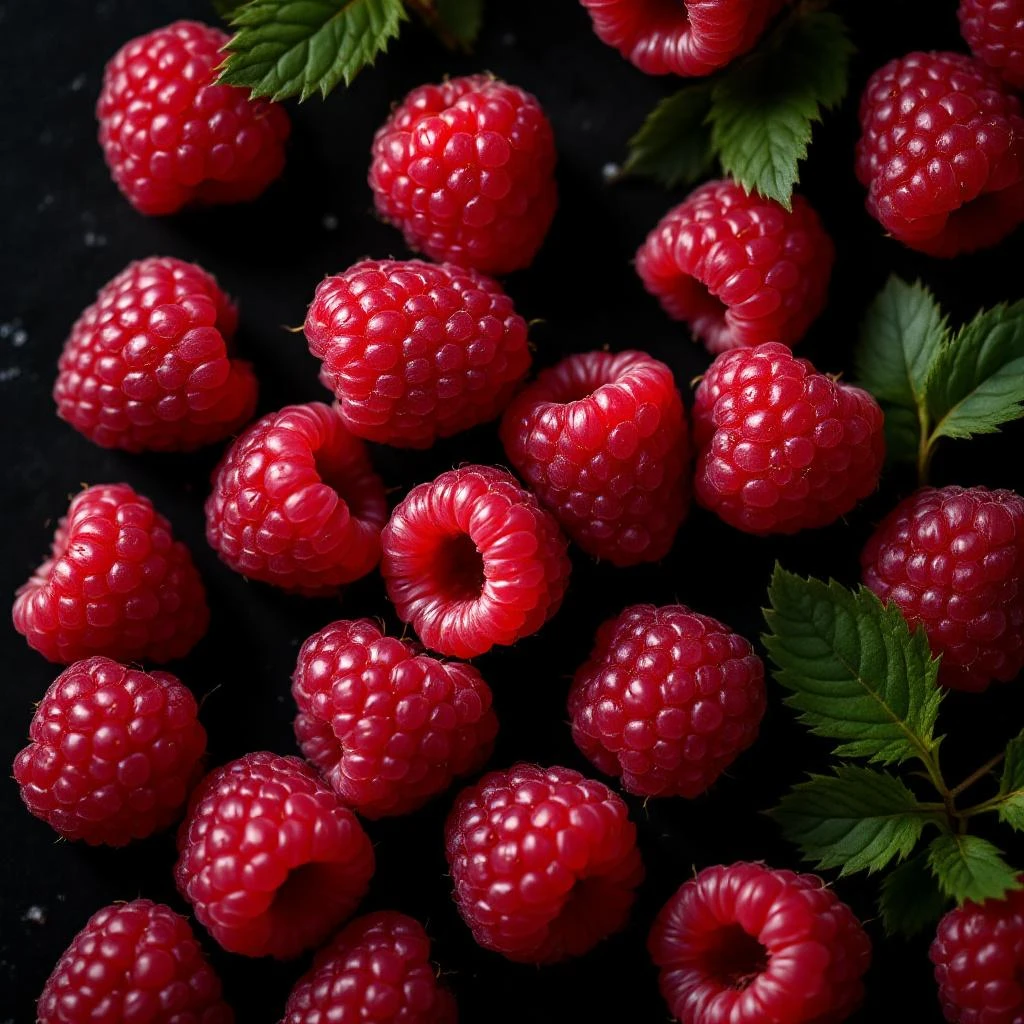
Grapefruit Juice
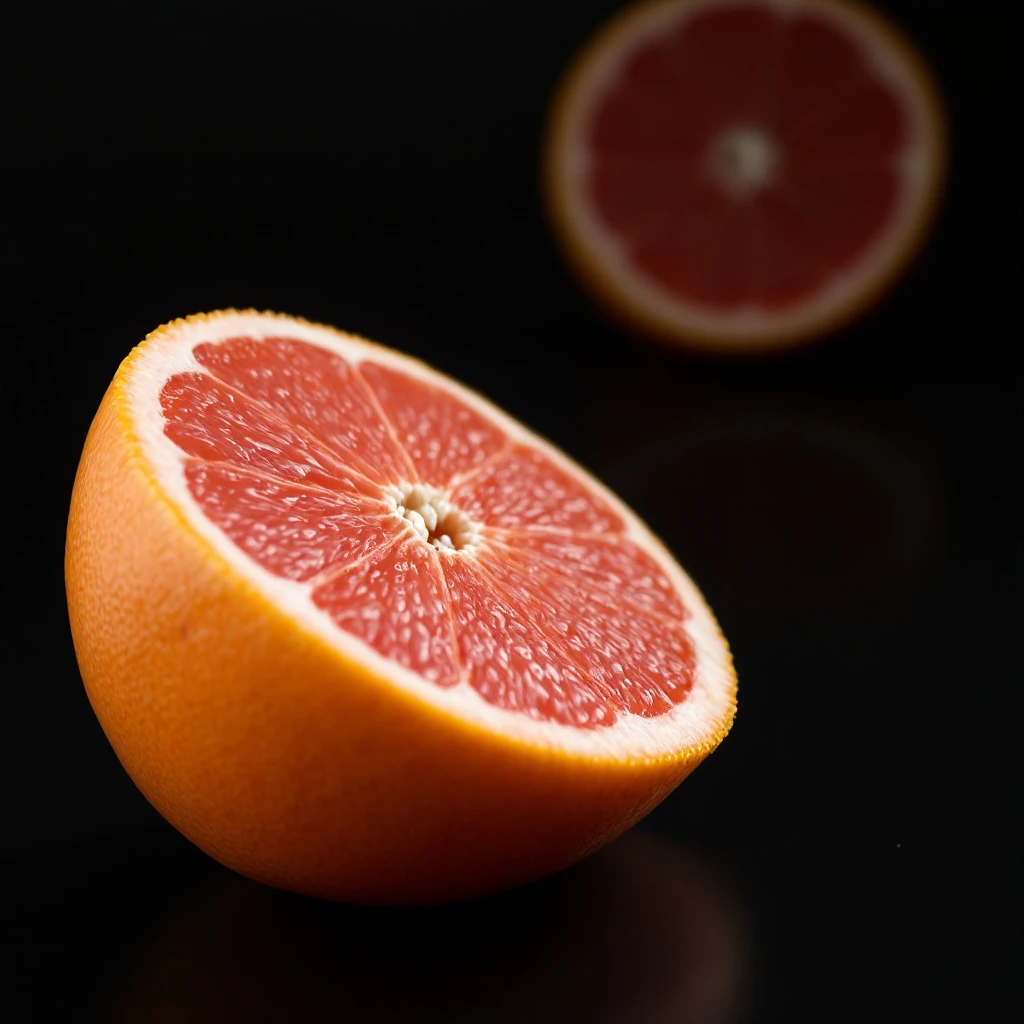
Grapefruit juice brings a sharp, sunlit brightness to fragrance compositions. Extracted from the hybrid citrus born in Barbados, this note delivers a distinctive tartness punctuated by subtle sweet undertones that energize and uplift.
Character
How it smells
Tart solar brightness that energizes fragrance
Grapefruit did not exist until the 18th century. It emerged as a natural hybrid when sweet orange and pomelo crossed on Caribbean soil.




Origin
Barbados
Grapefruit holds a surprisingly recent place in botanical history. This citrus hybrid emerged when sweet orange (Citrus sinensis) crossed with pomelo (Citrus maxima) on Caribbean soil. Rev.
Griffith Hughes first documented the fruit in Barbados in 1750, naming it after the clusters it bears resembling grapes. Legend attributes the seeds to Captain Phillip Shaddock of the East India Company, who left citrus seeds on the island during his voyages. For decades, grapefruit remained a curiosity of the Caribbean.
Interest grew steadily through the 19th century as the fruit spread to Florida and other warm climates. By 1933, Florida produced its first batches of grapefruit essential oil, marking the fruit's formal entry into perfumery. From that point, grapefruit became a star note in modern fragrance, prized for its energizing brightness that captured the optimism of 20th-century perfumery.
Wears it best
Fragrances featuring Grapefruit Juice
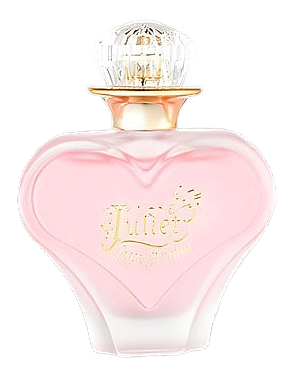
Brands
Brands known for Grapefruit Juice
Good to know
Questions, answered
The essentials on Grapefruit Juice in perfumery: how it smells, where it comes from, and how it behaves on skin.
What does grapefruit juice smell like in perfume?
Grapefruit juice smells sharp, tart, and bright with subtle sweet undertones. The note delivers a fresh citrus burst reminiscent of morning sunlight, with a distinctive bitter-sweet balance that energizes fragrance openings.
Is grapefruit juice natural or synthetic in perfumery?
Grapefruit juice can be both natural and synthetic. Natural versions come from cold-pressed fruit, while modern perfumery often uses synthetic aromachemicals like nootkatone to replicate grapefruit's signature tart profile consistently.
How is grapefruit juice extracted for fragrance use?
Cold-pressing extracts aromatic oils from grapefruit peel, while juice processing captures aqueous fruity notes. The peel oils provide aromatic depth, and juice accord adds authentic fresh fruit character to compositions.
What compound gives grapefruit its distinctive smell?
Maltol contributes significantly to grapefruit's distinctive fragrance and flavor. This compound adds a subtle caramel-like warmth that balances the fruit's sharp tartness, creating its recognizable bright yet rounded character.
Where does grapefruit for perfumery originate?
Modern perfumery grapefruit primarily comes from Florida and Mediterranean regions. Florida became a major producer after 1933, while Mediterranean climates yield fruit with slightly different acid-sugar profiles affecting the aromatic outcome.
What fragrances pair well with grapefruit juice?
Grapefruit juice pairs naturally with other citrus notes like bergamot and lemon, florals such as rose and jasmine, and marine or ozonic accords. It also complements woody bases and spicy middle notes.
How long has grapefruit been used in perfumery?
Grapefruit entered perfumery in 1933 when Florida produced its first batches of essential oil. Before that, the fruit remained a culinary curiosity for nearly two centuries after its 1750 documentation in Barbados.
Does grapefruit juice perform differently than grapefruit oil?
Grapefruit juice delivers a fresher, more aqueous quality than peel oil. The juice accord provides immediate bright opening notes, while oil adds aromatic depth and longer-lasting citrus character throughout the fragrance dry-down.