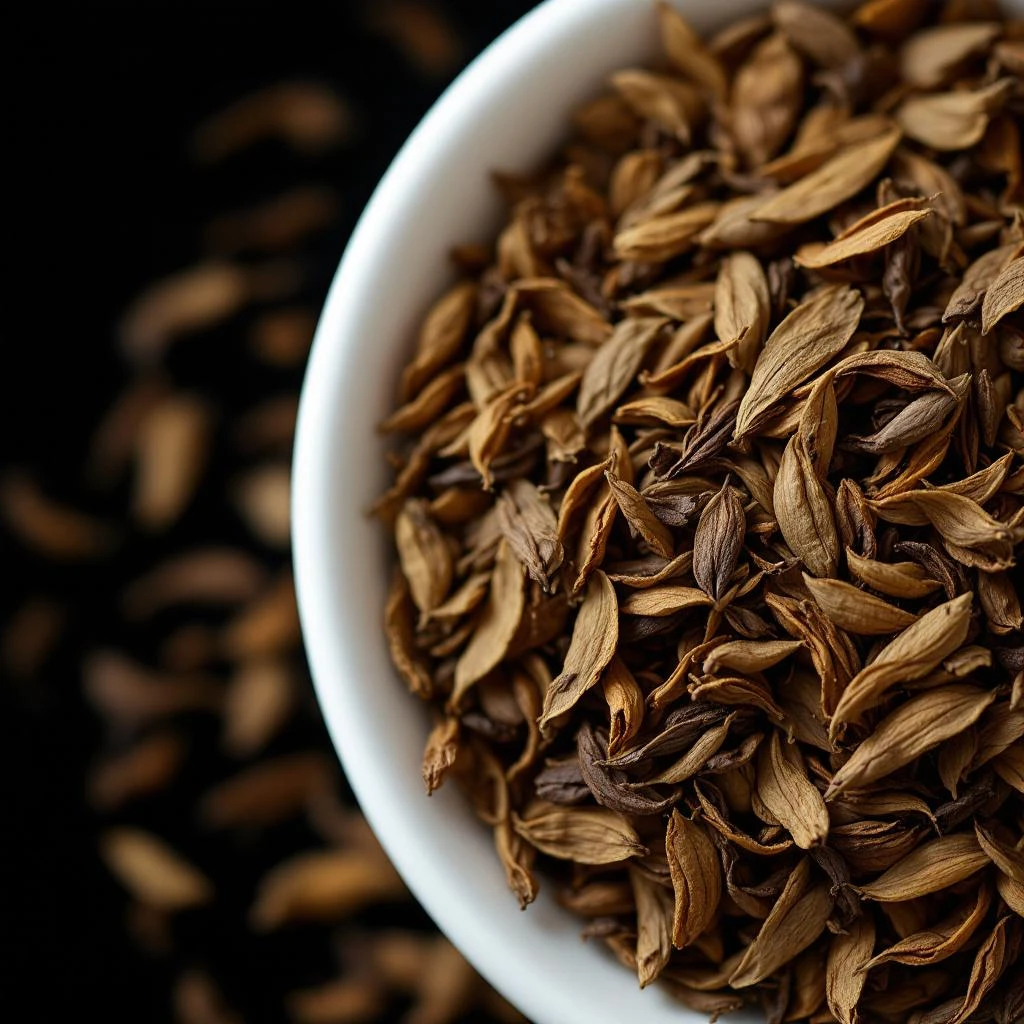
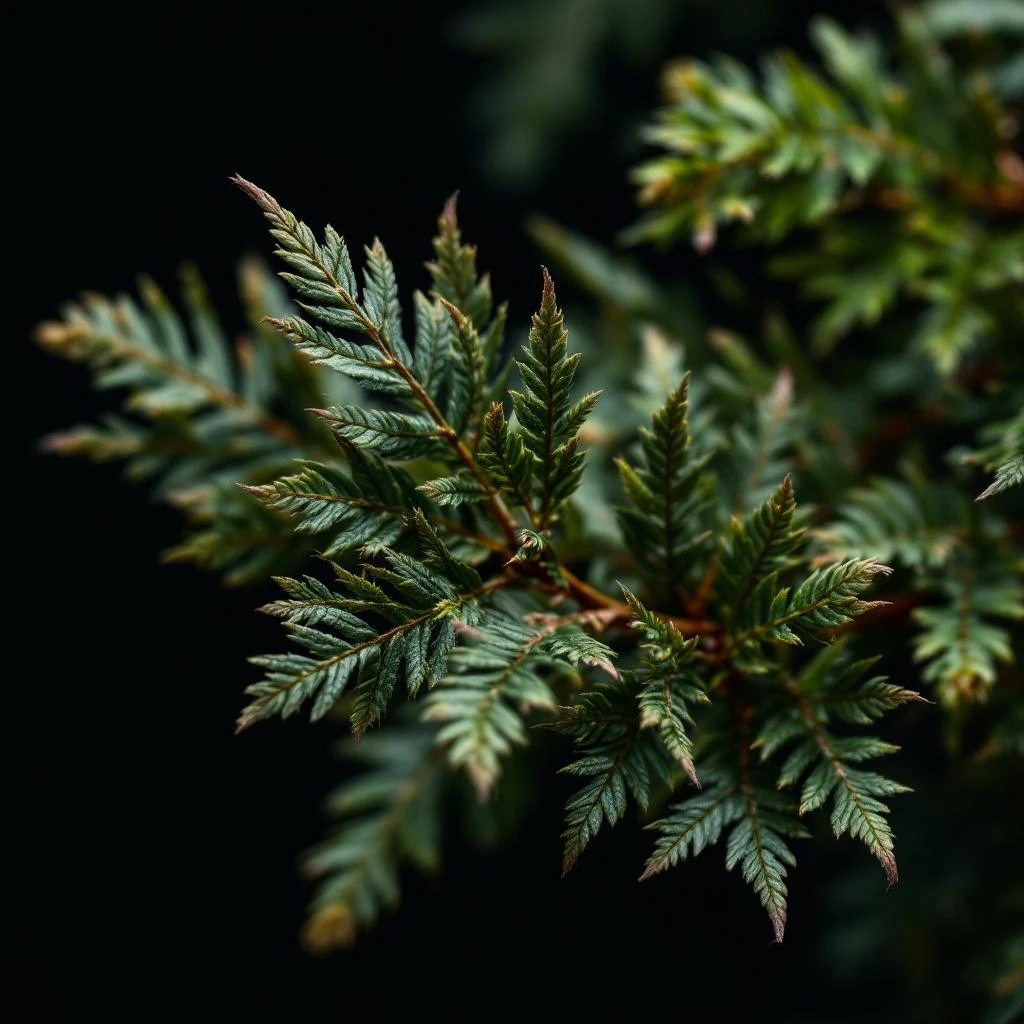
Ginger Leaf
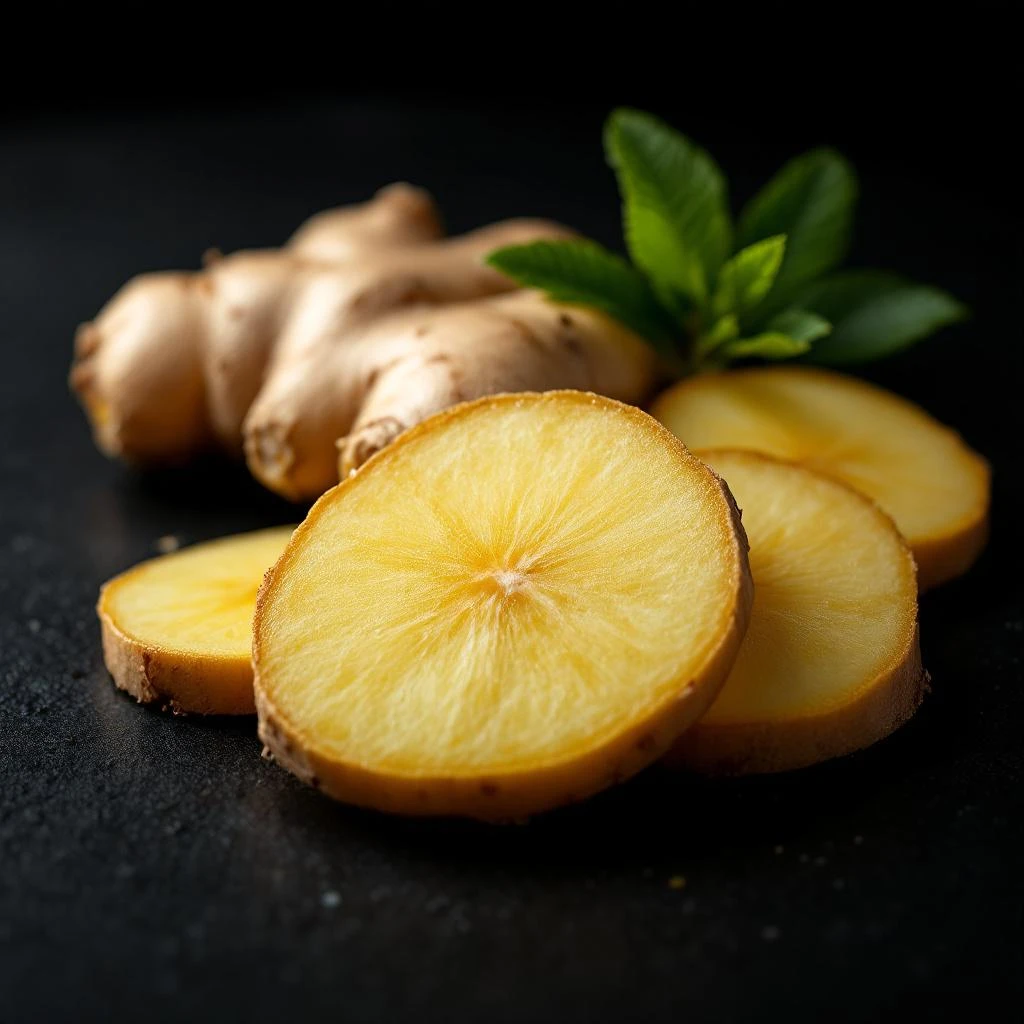
Aromatic ginger root delivers that unmistakable warm-spice punch in perfumery. Native to South and Southeast Asia, this underground rhizome has traveled from ancient trade routes to modern fragrance bottles, offering a versatile bridge between culinary warmth and olfactory sophistication.
Character
How it smells
Warm spice from ancient Asian roots
Ginger's botanical name Zingiber officinale derives from the Sanskrit word for 'horning,' describing its distinctive gnarled shape.





Origin
India
Ginger ranks among the oldest spices in human commerce, originating in the tropical rainforests of the Indian subcontinent before spreading across Asia and eventually reaching the Mediterranean world via ancient trade networks. By the time of the Roman Empire, ginger rhizomes were already traded extensively, valued as both a culinary spice and a medicinal ingredient. The development of distillation techniques several centuries ago opened new possibilities for ginger in perfumery, allowing perfumers to capture its aromatic essence as a concentrated essential oil.
Asian cultures had long utilized ginger in religious ceremonies, traditional medicine, and ritual preparations before Western perfumery adopted it. Today, major producing regions include India, China, Japan, and Laos, with each origin offering subtle variations in the oil's aromatic profile shaped by local soil conditions, climate, and harvest timing.
Wears it best
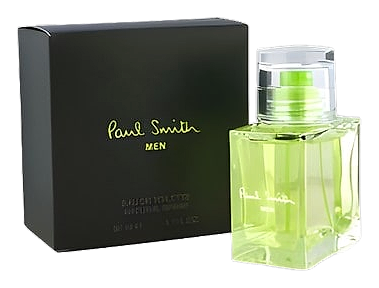
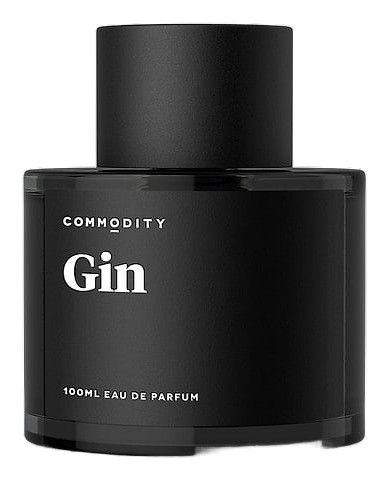
Fragrances featuring Ginger Leaf
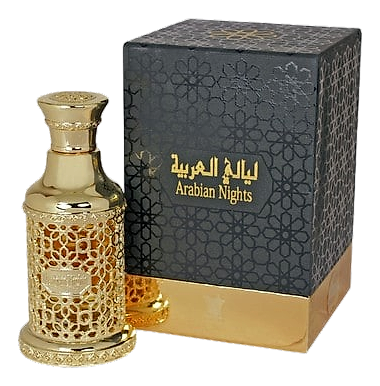
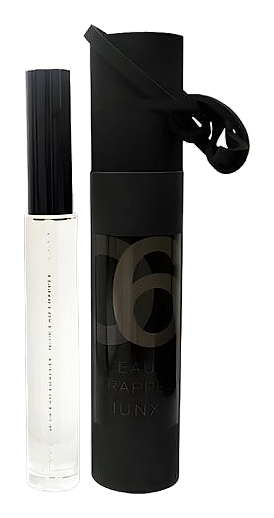
Brands
Brands known for Ginger Leaf
Good to know
Questions, answered
The essentials on Ginger Leaf in perfumery: how it smells, where it comes from, and how it behaves on skin.
Is ginger leaf actually used in perfumery, or is it the root?
Perfumery uses the rhizome, commonly called ginger root, not the aerial leaves. The leaves are not typically distilled for fragrance. The underground rhizome contains the concentrated aromatic compounds that perfumers extract.
How is ginger essential oil extracted?
Steam distillation extracts ginger oil by passing pressurized steam through chopped fresh or dried rhizomes. The steam ruptures oil glands, carrying volatile compounds to a condenser where they separate from the hydrosol. This method preserves the warm, spicy character of the material.
Where does the best ginger for perfumery come from?
India and China lead global production, with India recognized as ginger's center of origin. Japanese ginger oil holds particular prestige among perfumers for its refined aromatic profile. Climate and soil conditions in these regions influence the oil's scent characteristics.
What does ginger essential oil smell like?
Ginger oil presents a warm, spicy, and slightly woody aroma with distinct notes of pepper and citrus. The scent is energizing and camphoraceous in the opening, mellowing to a sweet, resinous drydown. It bridges culinary warmth with aromatic sophistication.
Is synthetic ginger available, and how does it compare?
Synthetic ginger accords exist, typically combining zingiberene, linalool, and floral aldehydes to mimic the natural scent. Natural ginger oil offers complexity and subtle nuances that synthetic versions cannot fully replicate, making it preferred in fine perfumery.
What fragrance families pair well with ginger?
Ginger integrates seamlessly into oriental, spicy, and fresh citrus compositions. It pairs naturally with complementary warm notes like cardamom, black pepper, and vanilla while providing lift when combined with heavier bases like sandalwood or amber.
Is ginger considered a top, middle, or base note?
Ginger functions primarily as a top to middle note, providing an aromatic opening that energizes a fragrance. Its bright, spicy character announces the composition while establishing warmth that lingers subtly through the heart and drydown phases.
What role did ginger play in historical perfumery?
Ginger entered perfumery after distillation technology advanced several centuries ago, though it had been traded as a spice since ancient times. Asian cultures used ginger in religious ceremonies and traditional preparations long before Western perfumery adopted it as a fragrance ingredient.