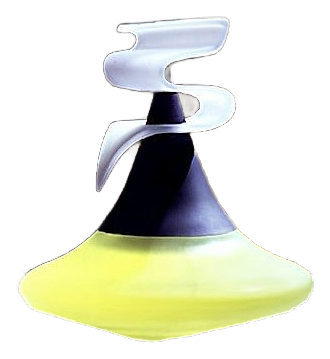
The Story
Why it exists.
The beginning
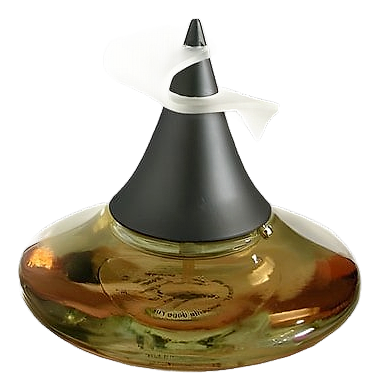
Romeo Gigli built his fashion label on the idea that elegance should feel effortless, clothes that whispered heritage rather than shouting it. When he translated that sensibility into fragrance in 1989, the goal was the same: an invisible garment you could carry with you. Romeo Eau Fraiche emerged from that philosophy, a scent designed to feel like a warm afternoon on the Italian coast rather than a performance of luxury. The brief was softness, warmth, and the kind of quiet confidence that doesn't need an audience.
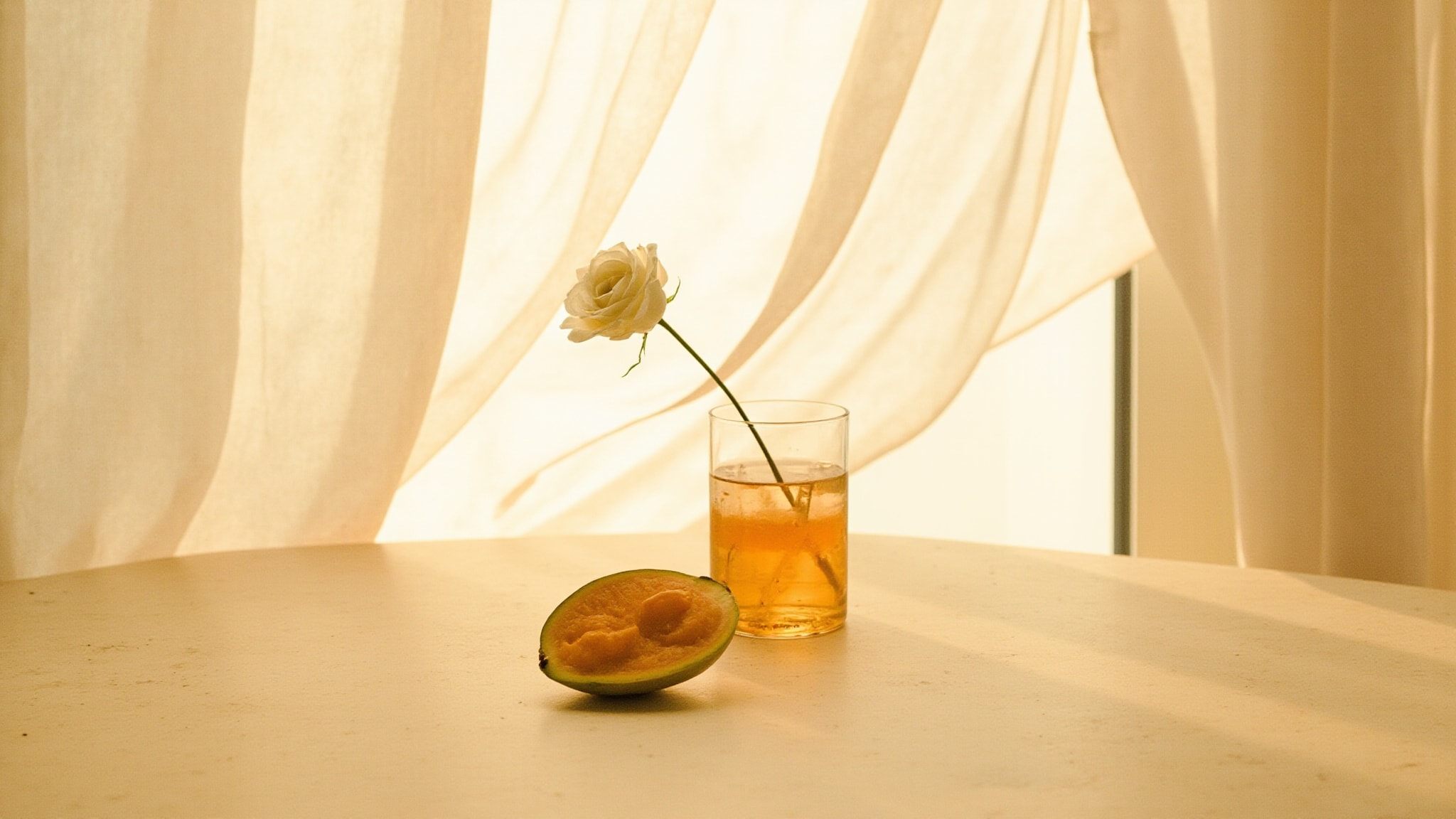
What makes Eau Fraiche distinctive is the mango note, unusual in 1989, when most florals played it safe with citrus and rose. The African orange flower brings a waxy, heady quality that sits between jasmine and neroli, while the iris adds that powdery, slightly violet depth that keeps the sweetness from overwhelming. The lime and mandarin open bright, then surrender to the tropical warmth without ever losing their structure. It's a composition that balances immediacy with staying power, the kind of fragrance that announces itself briefly, then settles into something you keep catching for hours.
The evolution
The opening hits with lime and mandarin, citrus that feels pulled from the fruit itself, not a synthetic accord. Thirty minutes in, the mango arrives. That's when the fragrance shifts from fresh to lush, the tropical note anchoring the white florals that follow. The African orange flower and rose bloom together, creating a sweet-herbaceous heart that sits close to the skin. The sandalwood arrives quietly in the base, adding creaminess without heaviness. By hour four, you're wearing something warm and powdery, the iris has come forward, the florals have softened, and what's left is skin-warm and intimate. Moderate sillage means it stays with you, not the room.
Cultural impact
Eau Fraiche arrived at the tail end of the 1980s, when fashion perfumery was still finding its footing between the maximalist excesses of the decade and the minimalism that would define the 1990s. It's a transitional fragrance in that sense, lush enough to feel of its era, restrained enough to feel timeless. Wearers describe it as the scent of someone who carries heritage quietly, without needing to perform it.