The Story
Why it exists.
The beginning
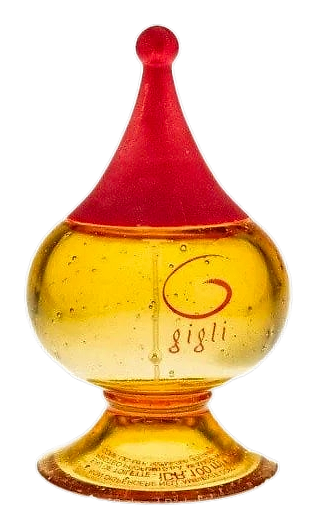
G De Gigli arrived in 1994, composed by Sophie Labbé for a brand that understood scent as an extension of dress. Romeo Gigli had spent the previous decade building an Italian fashion identity defined by soft romanticism and coastal light, not loud declaration, but ease. The fragrance translated that sensibility into something wearable, a composition that balanced the cool clarity of green notes and citrus against warmer floral and woody elements already present in the brand's aesthetic vocabulary. Labbé built the structure around this tension: cool opening, warm heart, grounded base. Not a statement. An arrival.
What makes the pyramid interesting is the layering of violet root throughout, appearing in both top and heart notes, acting as a connective thread rather than a single-phase player. The tarragon in the heart adds an aromatic, slightly anise-like quality that differentiates this from a standard floral. Combined with cyclamen's slightly metallic edge, the heart avoids the typical sweetness of jasmine-rose pairings. The base keeps things grounded with cedar and sandalwood, but oakmoss introduces a mossy, slightly earthy quality that connects back to the green opening, the whole composition circles back on itself.
The evolution
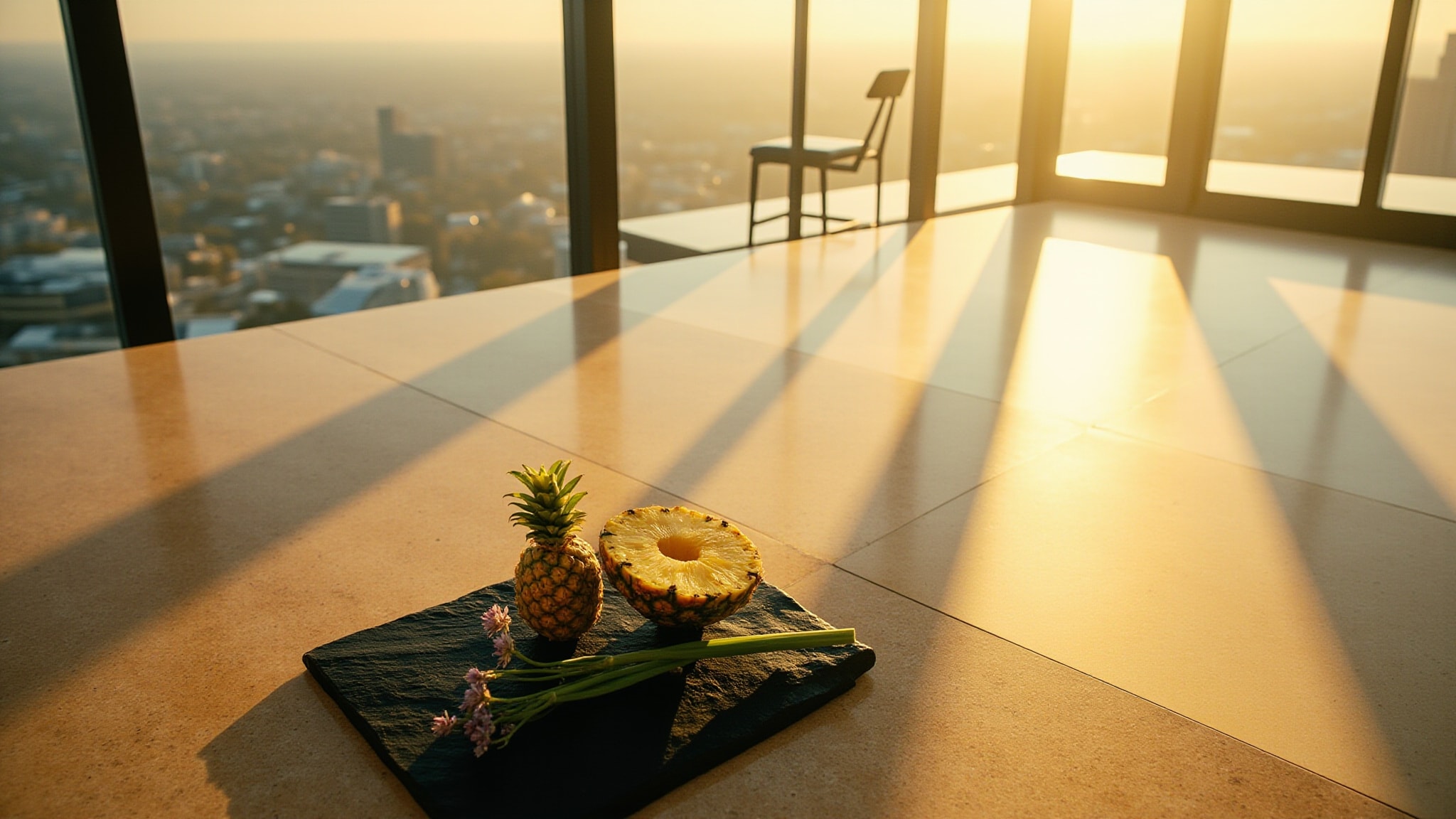
The opening announces itself with pineapple and bergamot, bright, almost sharp, with hyacinth lending a green cut that prevents the fruit from reading as sweet. This phase lasts perhaps thirty minutes before the heart takes over: jasmine and rose arrive without ceremony, but tarragon and cyclamen keep them from becoming soft. The transition feels deliberate, like watching a room fill with light rather than flipping a switch. By hour three, the base has begun its work, cedar emerging first, then sandalwood settling underneath. Oakmoss lingers longest, adding a quiet earthiness that outlasts the florals by several hours. On dry skin, expect the full eight-hour arc. On warmer skin, the drydown compresses but never disappears entirely.
Cultural impact
G De Gigli arrived in 1994 during a pivotal moment when fashion houses began treating fragrance as a direct extension of brand identity rather than a mere licensing opportunity. Romeo Gigli had already established his reputation for romantic, flowing silhouettes that redefined Italian fashion in the 1980s, and G De Gigli carried that same sensibility into scent. Composed by Sophie Labbé, the fragrance represented a growing trend among Italian fashion houses to craft signature scents that embodied the house aesthetic rather than chasing mass-market appeal. The 1990s also saw increased competition in the luxury fragrance market, with brands seeking differentiation through olfactory identity.