The Story
Why it exists.
The beginning
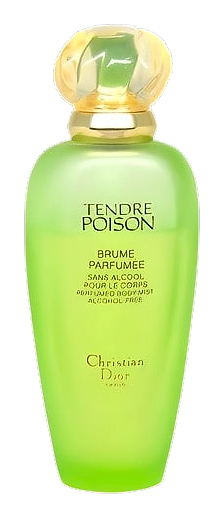
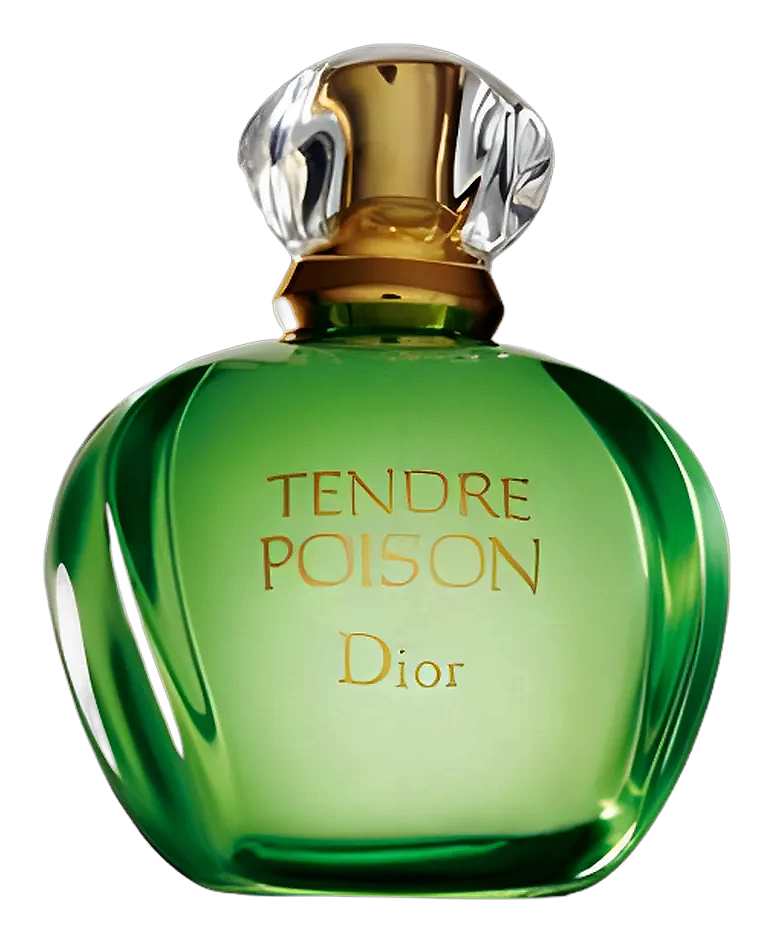
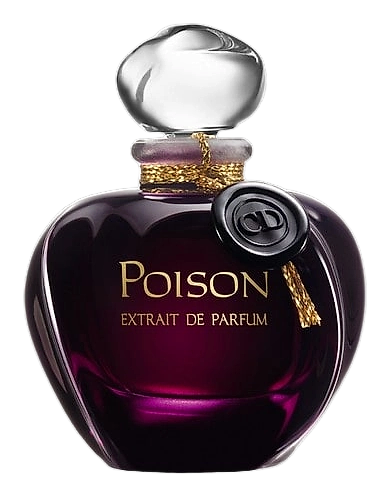
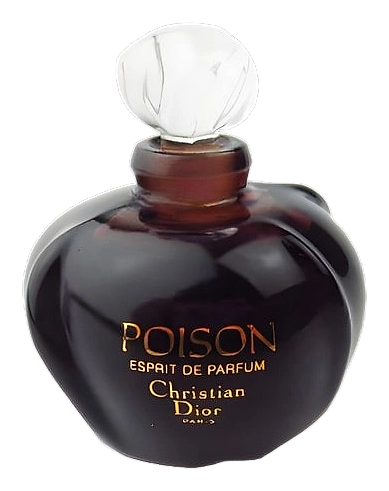
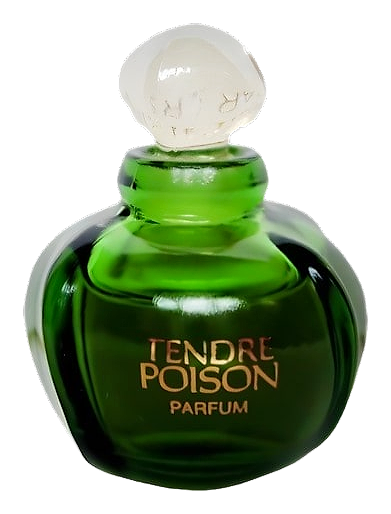
Tendre Poison arrived in 1994 as a gentler take on something daring. Dior had already staked out provocative territory with Poison, that 1985 tuberose bomb that announced itself from across a room. Tendre Poison took the same DNA and softened it without apologizing. Edouard Fléchier built the Parfum version around warmth and powdery closeness, letting the white florals breathe against the skin rather than project outward. The name itself is the concept: tender poison. Something that seems gentle until you realize it's not letting go.
The unusual opening note, asafoetida, is the tell. This resinous gum resin isn't typically associated with feminine florals, yet here it is alongside bergamot and galbanum, lending a green, almost savory edge to the citrus brightness. That tension between challenging and beautiful is the real achievement. The drydown of heliotrope, sandalwood, and vanilla doesn't just smell nice, it demonstrates how Dior's perfumers work with materials that could easily read as harsh, then make them feel inevitable.
The evolution
The opening is bright and green, a sharp citrus-galbanum burst that announces itself clearly for the first thirty minutes. Then the heart takes over, six white floral materials working in concert, the honey warming what could have been clinical, the tuberose and rose giving it body. This middle phase is substantial. Several hours of real presence. The drydown softens into something powdery and intimate: heliotrope and vanilla close to the skin, sandalwood adding cream, musk holding everything in place. On most skin types, expect 8-10 hours. The sillage starts strong and settles into a quiet warmth that only someone standing close will notice.
Cultural impact
Tendre Poison represents a particular moment in Dior's fragrance history, the 1990s exploration of the Poison concept through different lenses. Less confrontational than the original Poison, it offered the same white floral intensity in a more wearable form. The Parfum concentration was the most intimate expression, designed for closeness rather than projection.