The Story
Why it exists.
The beginning
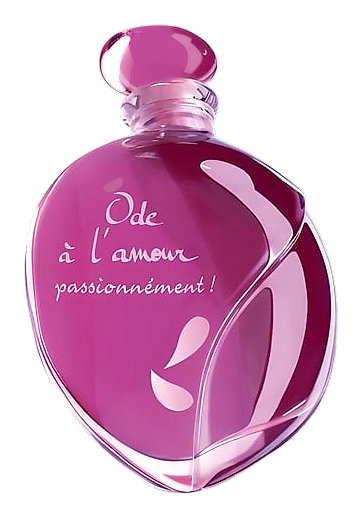
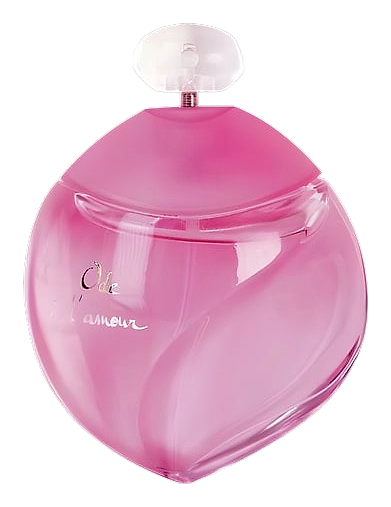
Ode à l'amour, an ode to love, arrived in 2001 as a love letter in bottle form. The name says everything: this is romance without pretense, sweetness without apology. Yves Rocher, rooted in Breton botanical tradition since 1959, approached this composition the way they approached their skincare, plant-derived ingredients, honest materials, no theater. Mirabelle plum and blackcurrant open bright and jammy. Ylang-ylang and labdanum warm the heart. Sandalwood, amber, and vanilla close it out. Simple pyramid, clear intent.
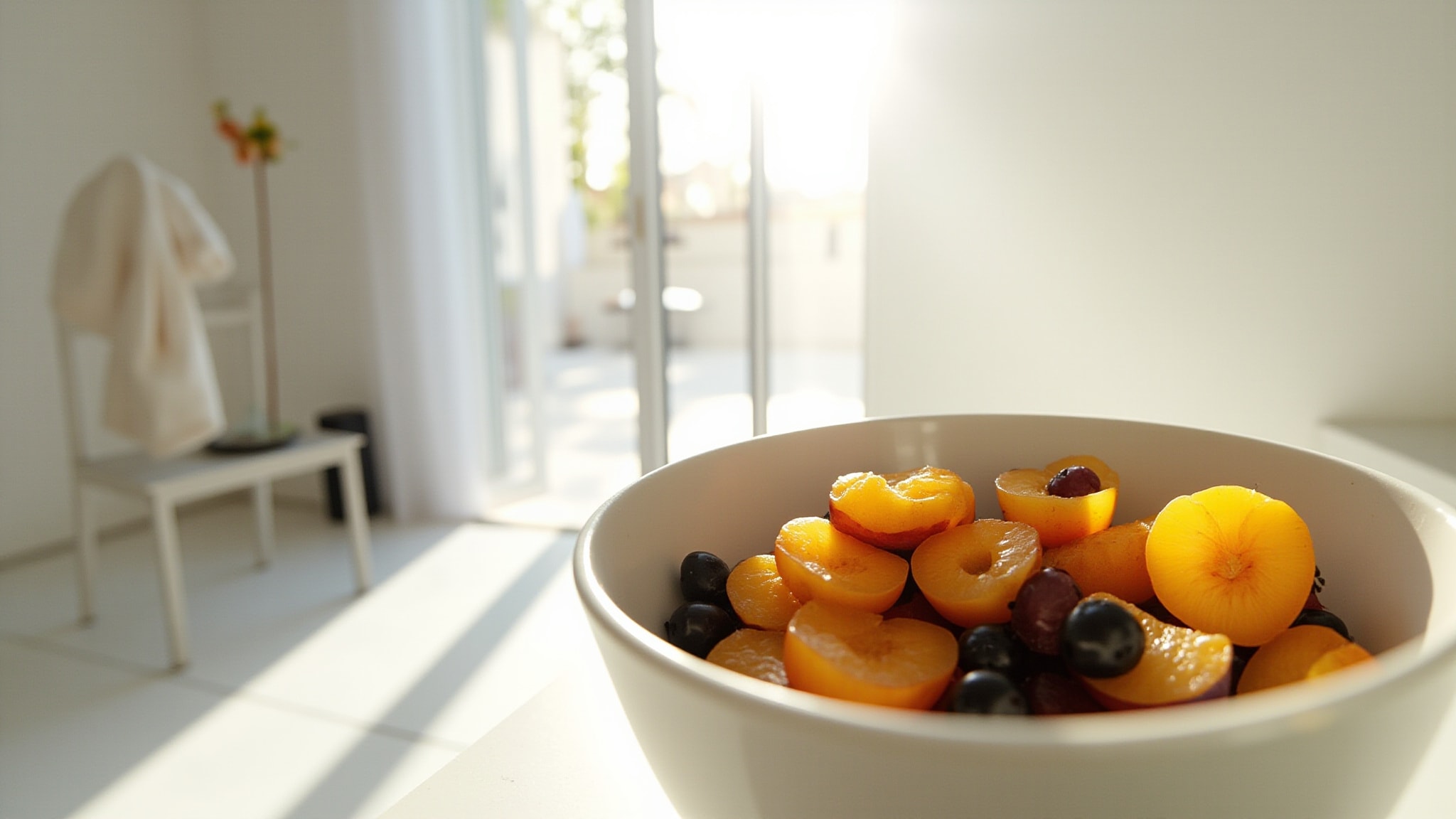
What makes the note structure interesting is the mirabelle plum appearing twice, in the opening and again in the heart. It creates a through-line of soft, stone-fruit sweetness that ties the whole composition together rather than letting it fragment into separate phases. The blackcurrant adds tangy contrast that keeps the sweetness from feeling naive. Ylang-ylang brings a creamy floral quality that elevates the heart beyond simple fruitiness. And the base, sandalwood, amber, vanilla, is warm without being heavy. It's the kind of fragrance that works because it knows what it is.
The evolution
The opening hits bright and jammy, mirabelle plum and blackcurrant, the kind of sweetness that reads like fruit preserves on warm skin. Blackcurrant adds a tangy edge that prevents it from feeling one-note. Within minutes, ylang-ylang enters the picture, softening the fruit into something more floral, more intimate. The labdanum adds a subtle resinous quality that grounds the heart without competing with it. Then the drydown: sandalwood and vanilla creating warmth that stays close to the skin, that lingers past when you think it's gone. On most skin types, the full arc runs 6-8 hours. The sillage is moderate, present but not room-filling. It's the kind of fragrance that someone notices only when they're close enough to matter.
Cultural impact
Ode à l'amour divides opinion the way all sweet-fruity fragrances do. Some wearers find it charming and romantic, the kind of scent that gets compliments from strangers. Others detect a synthetic edge that reads more room-freshener than parfum. The truth sits somewhere in between: a discontinued 2001 fragrance that captures a specific moment in accessible French perfumery, when sweet and fruity meant approachable rather than juvenile. For those who remember it from their teenage years, it carries nostalgia. For newcomers, it's a curiosity worth sampling if the note pyramid appeals.