The Story
Why it exists.
The beginning
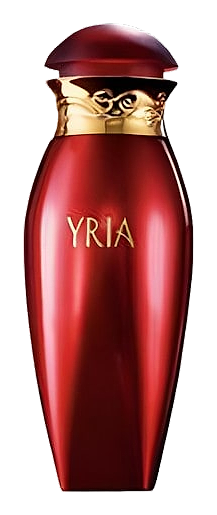
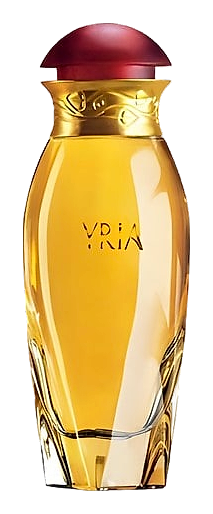
Yria arrived in 2001 from the hands of perfumer Laurent Bruyère at Yves Rocher, part of the house's broader move into richer, more complex oriental florals after years of lighter citrus and green compositions. The name itself carries a certain poetry, it doesn't reference a place or an ingredient, but rather an idea, a mood, an atmosphere. Bruyère built it around a white floral heart that was unusually dense for the brand's usual territory: jasmine, gardenia, rose, magnolia, and lily of the valley layered together to create something that felt both opulent and grounded. The opening citrus was deliberate, coriander, mandarin, bergamot, there to give the florals room to breathe before the warm base of amber, sandalwood, and vanilla took hold.
What makes Yria interesting is the way it handles its white floral overdose without tipping into indolic territory. Gardenia and jasmine can easily tip toward the heady, the almost-too-much, but the citrus top and the powdery drydown act as counterweights. The combination of sandalwood and tonka bean in the base gives the drydown a warmth that feels almost like fabric, soft, close, intimate. Patchouli appears in the base notes, grounding the sweetness with something slightly darker, slightly earthier. The result is a fragrance that manages to be both sweet and complex, both powdery and warm. It's the kind of composition that rewards sitting with it rather than rushing through the opening.
The evolution
The opening of Yria is bright and citrus-forward, bergamot and mandarin orange arrive first, with coriander adding a slight green spice underneath. It's clean, it's confident, it announces itself without shouting. Within twenty minutes the white florals begin to dominate: jasmine and gardenia at the front, with rose and magnolia lending depth. The transition is smooth, there's no harsh switch, just a gradual handing over of the composition from citrus to floral. The heart holds for two to three hours, rich and creamy, with lily of the valley adding a cool, slightly green edge that keeps the florals from becoming too heavy. Then the base arrives. Amber and sandalwood warm up the composition, tonka bean adds a soft, vanillic sweetness, and patchouli brings a quiet earthiness that stops everything from floating away. The drydown on skin lasts another three to four hours, close, warm, intimate. On clothes, it can linger for days. The whole arc is like a conversation that starts loud at a party and ends in a quiet corner, just two people, nothing else.
Cultural impact
Yria occupies a specific place in the fragrance world's discontinued love affairs. It never reached the wide distribution of the brand's better-known scents, but those who found it tend to hold onto it fiercely. The white floral overdose combined with warm amber and sandalwood feels like a relic of an era when "floriental" meant something specific, rich, powdery, unapologetically sweet. In the years since its launch, Yria has become a quiet collector's item, sought out on second-hand markets by fragrance enthusiasts who discovered it through forums or inherited it from someone who knew someone. It's not a fragrance that announces itself loudly, which is perhaps why it never became a bestseller.