Blackcurrant blossom
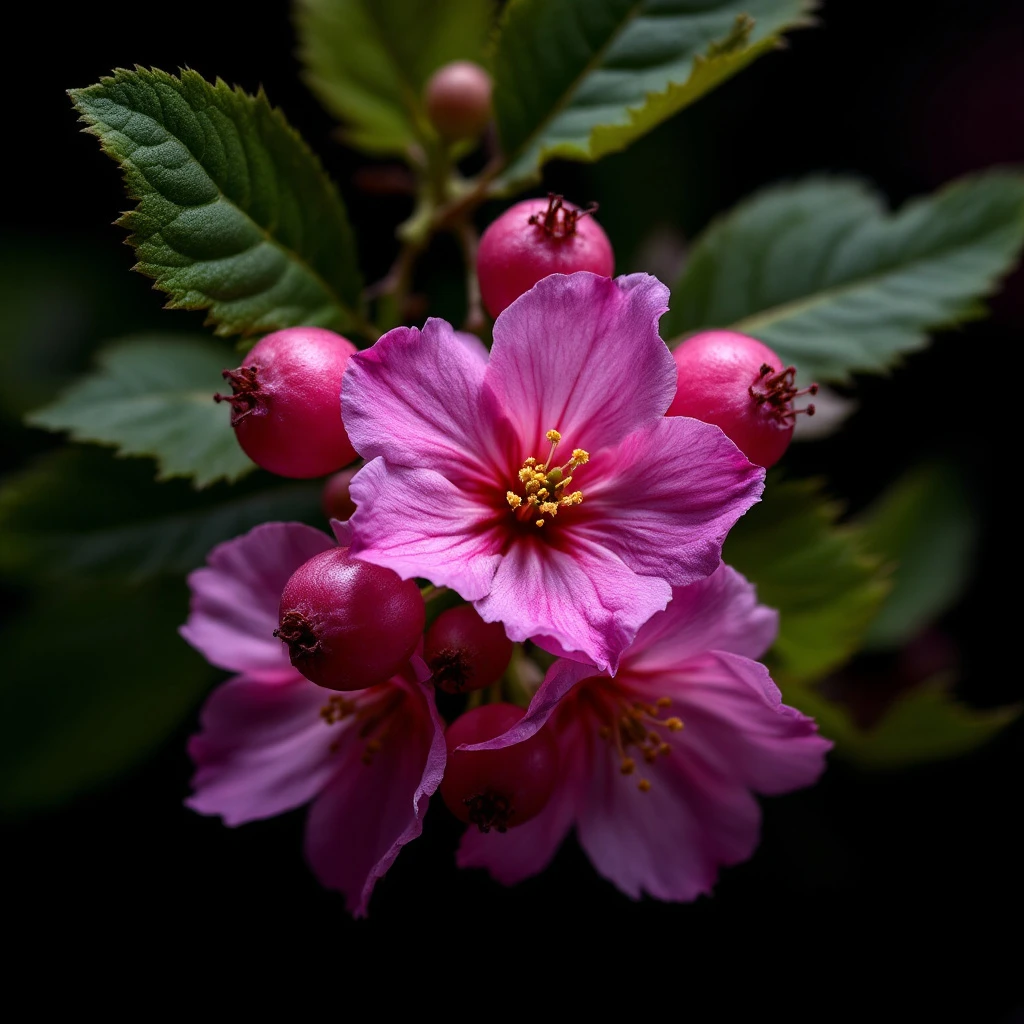
Blackcurrant blossom brings a delicate, honeyed floral lift to fragrances, offering a green-fruity transparency that brightens heavier bases and adds whispered sweetness to compositions seeking natural elegance.
Character
How it smells
Green-floral freshness with whispered fruit.
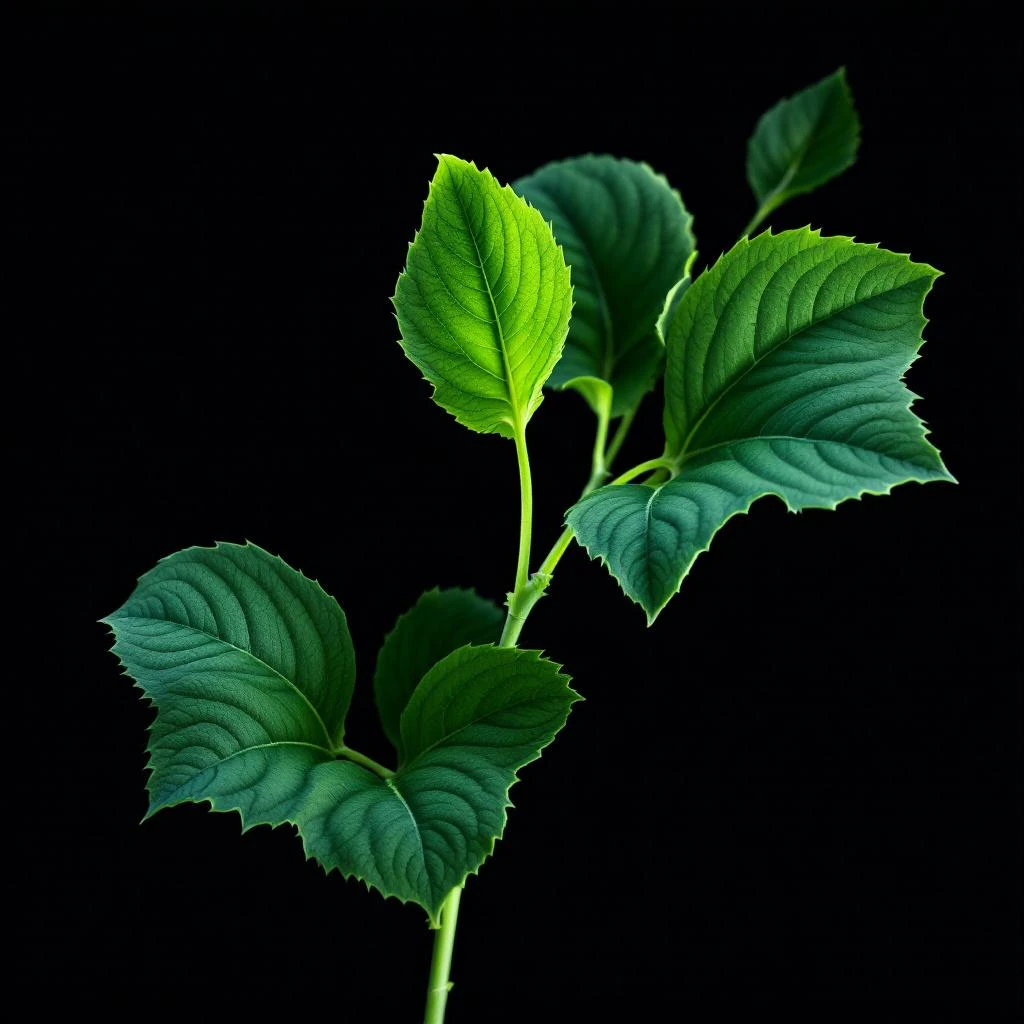
The entire blackcurrant bush yields usable material: buds give the famous cassis impact, leaves produce green absolutes, and blossoms contribute a fleeting floral quality rarely captured in isolated form.








Origin
France
Blackcurrant (Ribes nigrum) grew wild across Northern and Central Europe for centuries before cultivation began in earnest during the 17th century. The plant's medicinal value preceded its aromatic applications—herbalists used leaf and berry preparations for their astringent and tonic properties.
In perfumery, blackcurrant bud absolute first appeared in Guerlain's Chamade (1969), introducing the distinctive thiol-driven fruity-green note that would define a generation of fragrances. The blossom itself remained largely unexplored until niche houses began pursuing complete botanical utilization in the late 20th century, seeking to honor every part of the plant.
While berries and buds dominate commercial production, the blossom represents an artisanal pursuit—rare, challenging to capture, and valued by perfumers seeking nuanced green-floral effects that synthetic materials cannot fully replicate. The ingredient stands apart from the more familiar cassis note, offering transparency and delicacy rather than the bold fruitiness associated with blackcurrant bud.
Wears it best
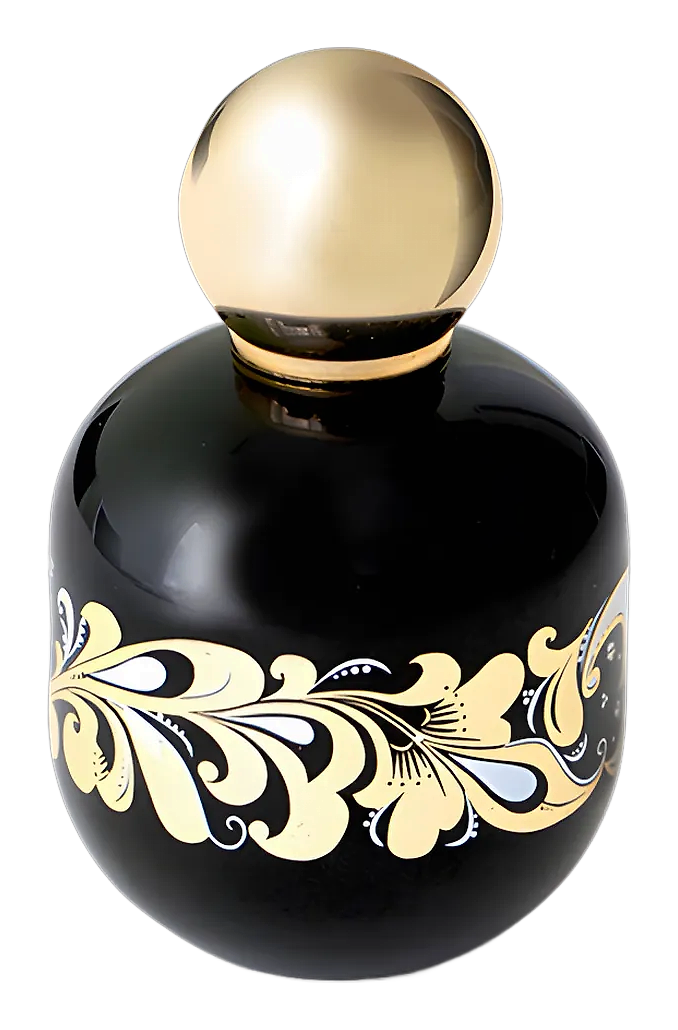
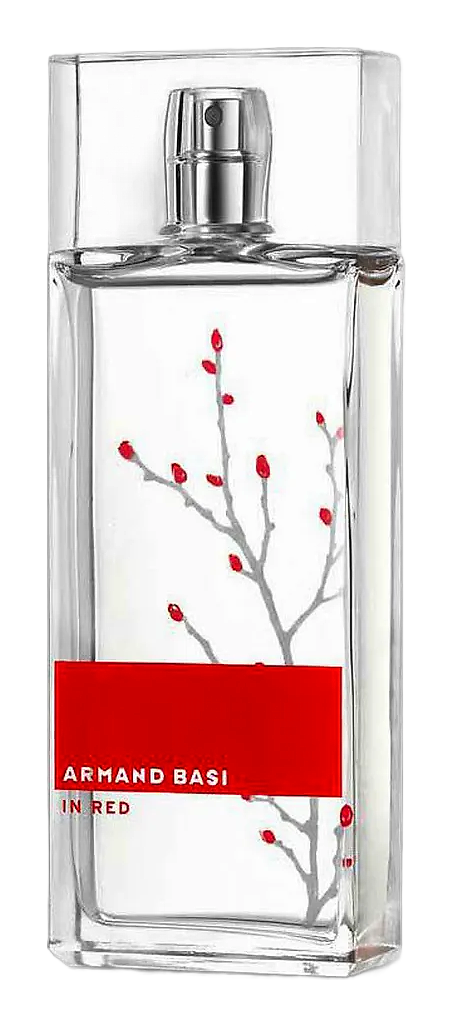
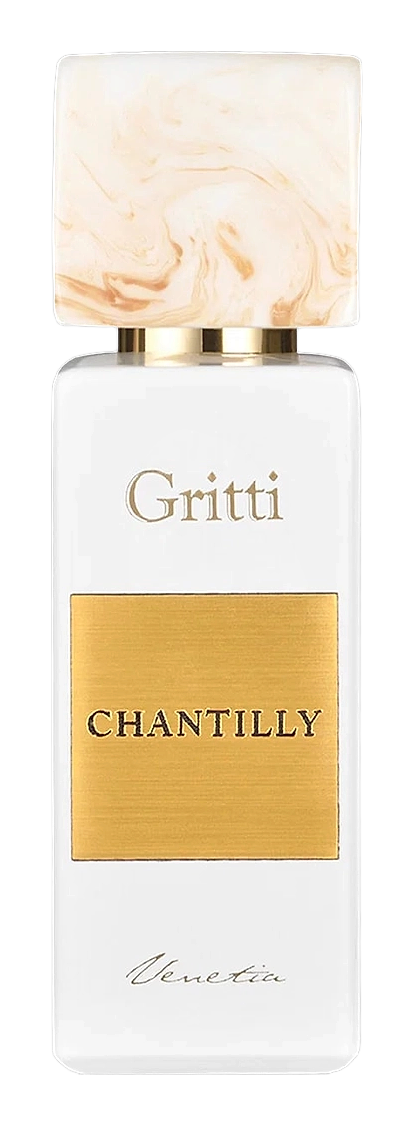
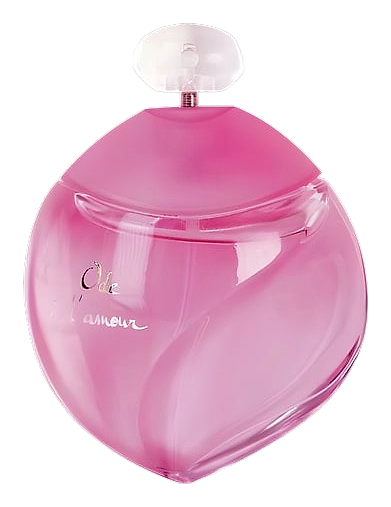
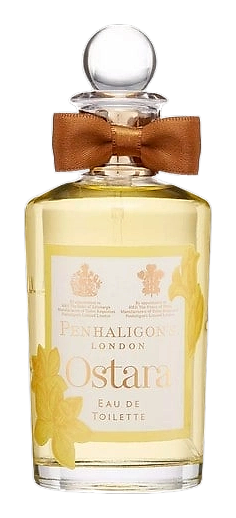
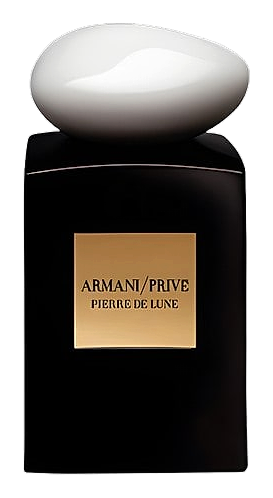
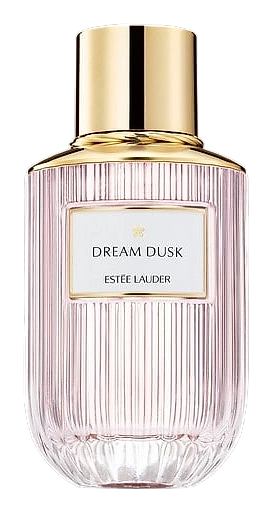
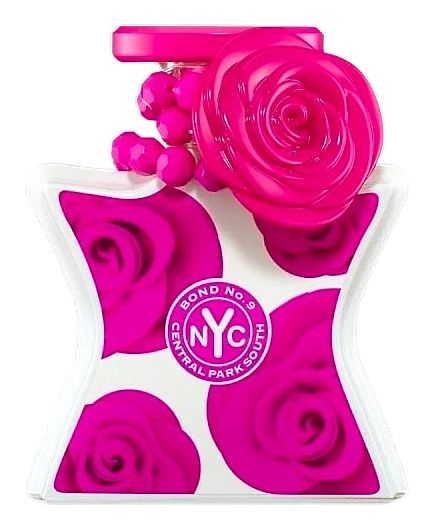
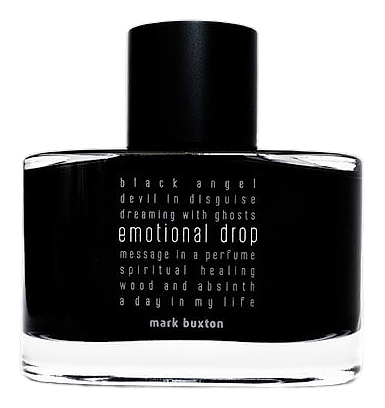
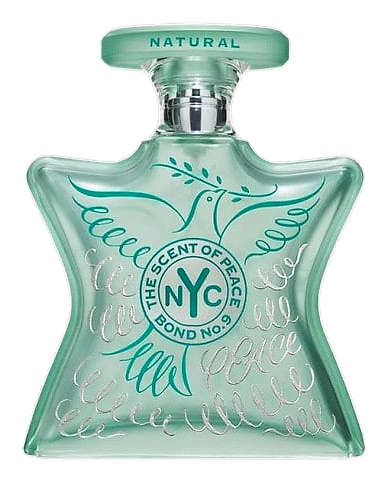
Fragrances featuring Blackcurrant blossom
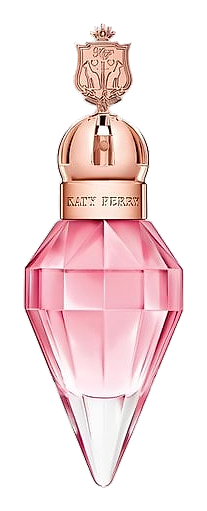
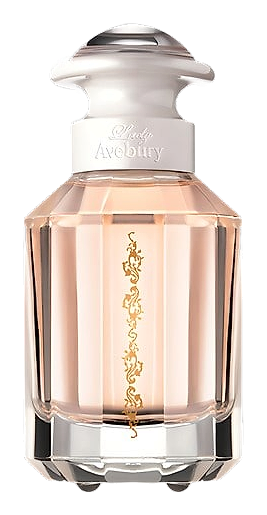
Brands
Brands known for Blackcurrant blossom
Good to know
Questions, answered
The essentials on Blackcurrant blossom in perfumery: how it smells, where it comes from, and how it behaves on skin.
What does blackcurrant blossom smell like?
Blackcurrant blossom carries a green-floral aroma with honeyed undertones and a delicate fruity lift. It is lighter and more transparent than blackcurrant bud, lacking the bold thiol-driven cassis punch.
Is blackcurrant blossom natural or synthetic?
Both versions exist. Natural blackcurrant blossom absolute comes from solvent extraction of fresh flowers, though supply is limited. Most commercial use relies on reconstructed accords combining green and floral materials.
When did perfumers first use blackcurrant in fragrance?
Guerlain introduced blackcurrant bud to perfumery in Chamade (1969). The blossom came later as a specialty ingredient pursued by houses seeking to expand the botanical palette.
Which fragrances feature blackcurrant blossom prominently?
Niche houses and certain high-end formulations use blackcurrant blossom for its transparent green-floral effect. It appears more in contemporary collections than vintage perfumes.
What extraction method produces blackcurrant blossom absolute?
Solvent extraction of freshly harvested blossoms yields a pale, semi-fluid absolute. The process requires careful timing as the harvest window is brief and floral material is minimal.
Where does commercial blackcurrant cultivation concentrate?
France, the United Kingdom, and parts of Eastern Europe lead production. Burgundy in France is particularly associated with premium blackcurrant used in both food and fragrance applications.
How does blackcurrant blossom differ from blackcurrant bud?
The blossom provides delicate green-floral freshness with honeyed notes. The bud delivers bold fruity-green impact through thiol compounds. Blossom is subtler, bud is more recognizable as 'cassis.'
Can home fragrance enthusiasts find blackcurrant blossom absolute?
Specialty ingredient suppliers occasionally stock small quantities of blackcurrant blossom absolute. Expect higher prices and limited availability compared to more common floral absolutes.