The Story
Why it exists.
The beginning
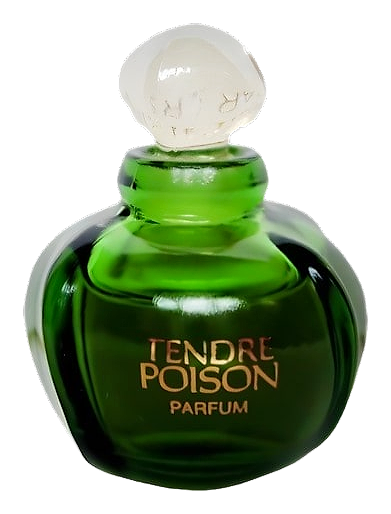
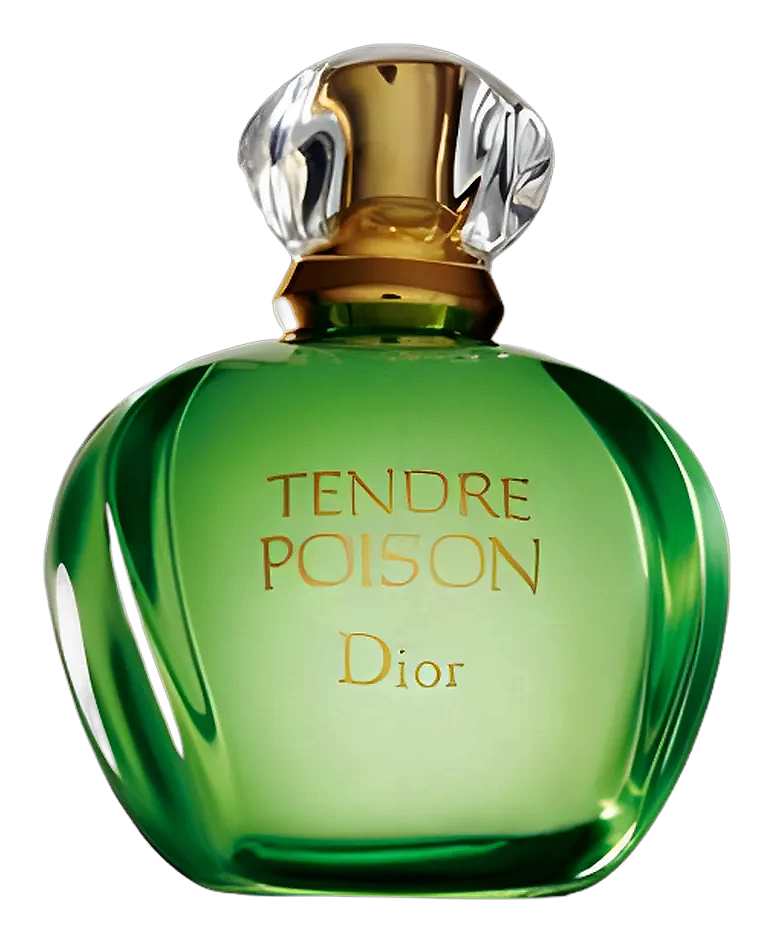
In 1994, Dior tasked perfumer Edouard Fléchier with softening the Poison lineage without diluting its identity. Where original Poison demanded attention, Tendre Poison whispers. Fléchier achieved this through an unexpected citrus-green opening that behaves like a prologue, establishing tension before releasing the wearer into sweeter territory. The house approach remained unchanged: fragrance as finishing touch, integral to style. Fléchier simply adjusted the volume.
Tendre Poison reflects a philosophy that contrast creates interest. The citrus-green opening exists not to dominate but to set up the florals that follow. Asafoetida, rarely found in feminine fragrances, adds an almost invisible backbone that keeps the sweetness from becoming cloying. The honey-tuberose heart pairs naturally with warm-weather wear because the honey captures sunlight while the tuberose feels tropical without heaviness. Bergamot and mandalwood together evoke the clean-fresh aesthetic that makes this fragrance versatile for daytime and office environments.
The evolution
The opening arrives bright and confrontational in the best way. Bergamot and mandarin orange provide immediate clarity while galbanum introduces a green bite that lingers just long enough to establish Tendre Poison's personality. Rosewood and asafoetida add depth, preventing the citrus from becoming generic. Within minutes, the heart takes over as tuberose blooms with its characteristic creamy, almost intoxicating presence. Honey amplifies the richness while freesia, neroli, and orange keep the florals feeling fresh and sunlit. Rose adds a final touch of classic elegance before the drydown settles into soft warmth. Musk and heliotrope create a powdery cushion, sandalwood provides creamy woody depth, and vanilla extends the sweetness into a finish that feels both intimate and lasting.
Cultural impact
Tendre Poison occupies a specific corner of fragrance culture, beloved by those who know it. The paradox at its core, charm wrapped in insolence, sweet florals following a harsh green opening, made it memorable in ways that more straightforward compositions weren't. The galbanum and asafoetida opening presents a challenge, which is precisely why it stays with you. Those who pushed past it found a tender, warm white floral that lingered beautifully. Discontinued now, it has earned a quiet cult status among collectors and those who've encountered it.