The Story
Why it exists.
The beginning
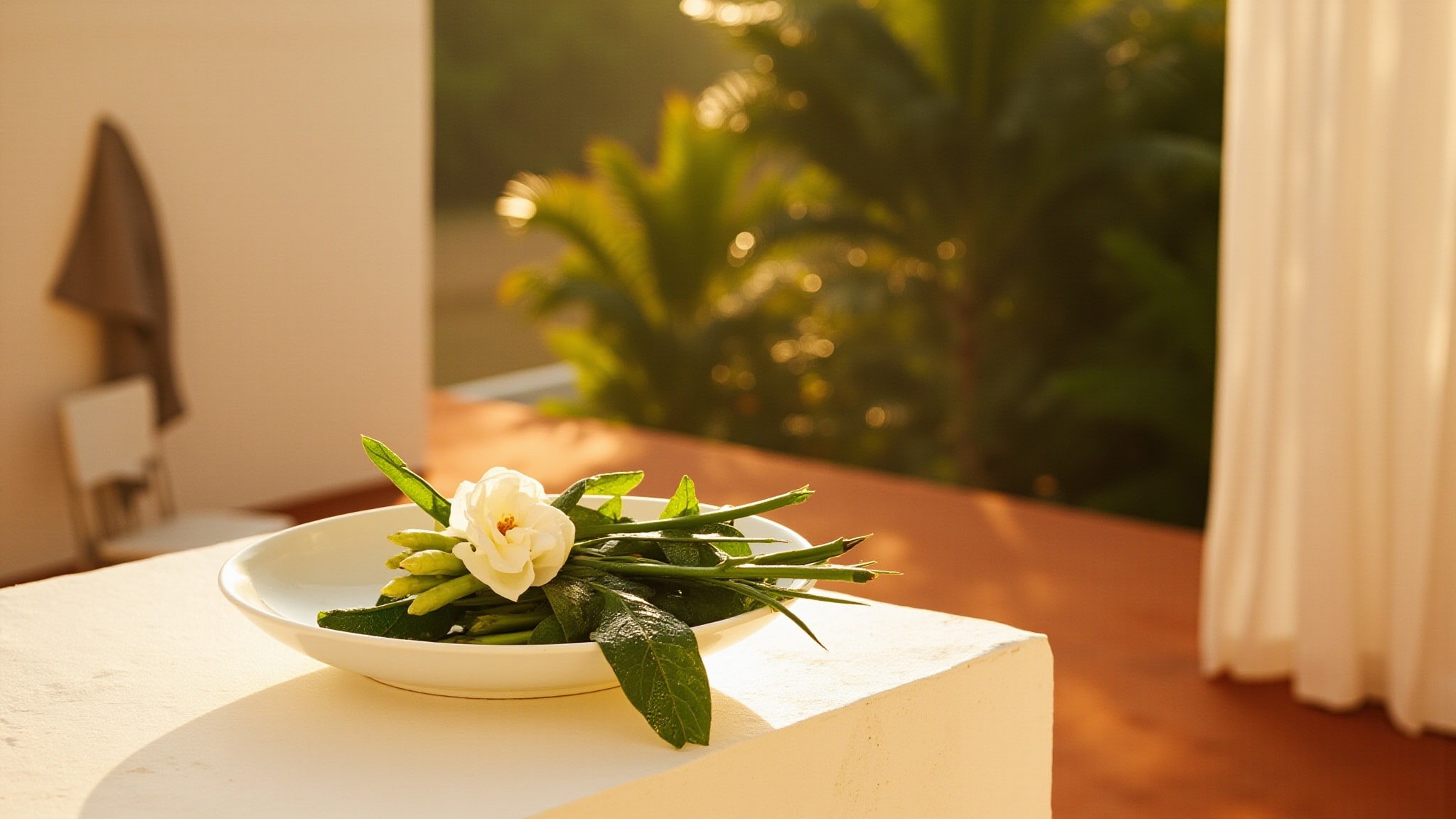
Spirit of Flowers is a 1993 fragrance from O Boticário that takes its name at face value. The composition centers on tuberose, ylang-ylang, and rose, building a tropical garden translated into liquid form. Opening with green and dewy top notes, the fragrance moves into a rich floral heart where white blossoms dominate, their creamy petals softened by the warmth of ylang-ylang and the classic elegance of rose. The overall effect is lush and generous, a full helping of white florals that feels both familiar and distinctly warm. As the scent develops, the flowers retain their presence while subtle woody and musky undertones emerge, grounding the composition without diminishing its floral core.
The fragrance follows a classic pyramid structure: green and fruity top notes that open the composition, classic heart florals that carry the emotional weight, and a simple musk-woody base that grounds the lift. The white florals, tuberose, ylang-ylang, jasmine, form the heart, with rose and green notes softening the edges. The note combination creates a sense of fullness and warmth, the generous floral heart lifted by the initial brightness of the top notes and anchored by the drydown beneath. It's a traditional soliflore structure enhanced by layered floral complexity.
The evolution
The opening arrives dewy and green. Gardenia-coded stems, the suggestion of fruit just past ripe. For about thirty minutes, the fragrance seems almost shy. Then the tuberose takes the stage and doesn't share it. Creamy, indolic, a little narcotic, it fills the space where the green notes recede. The drydown stretches longest. Musk and wood arrive quietly, wrapping the florals in something skin-close. By hour six, it's intimate. By hour eight, it exists only in the memory of where you sprayed.
Cultural impact
Spirit of Flowers has remained a reference point in O Boticário's catalogue since its 1993 release. The fragrance arrived during a period when white florals were popular in women's fragrance globally, and it distinguished itself through its tropical botanical character. Community response suggests strong satisfaction among wearers who appreciate its generous floral heart and warm tropical sensibility. The moderate sillage and reliable longevity made it a workhorse for daily wear, particularly in warmer months.