
The Story
Why it exists.
The beginning
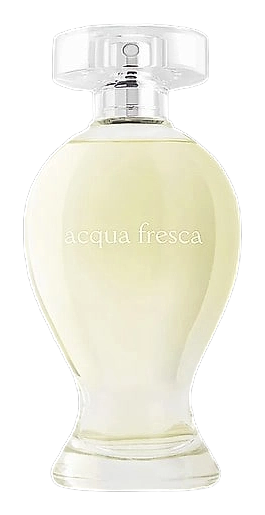
Acqua Fresca arrived in 1979 with a single idea: fresh should feel like morning, not a marketing department. Perfumer Maria Elisabeth Martins de Oliveira built it around the citrus groves of Southern Brazil and the herbal abundance of coastal air, bergamot, Amalfi lemon, pine needles at the opening, then a heart of jasmine, lavender, orange blossom, and rosemary that keeps things grounded in something real. The name means fresh water, and the fragrance earns it: not the sharp synthetic freshness of products that came later, but the kind that arrives with the breeze off warm stone.
What makes Acqua Fresca work is its restraint. The citrus opening doesn't scream, it clears. Bergamot and lemon arrive clean, almost cool, then yield to lavender and rosemary without drama. The white florals (jasmine, orange blossom) sit in the heart like they belong there, neither Powdery princess nor wallflower. Below, cedar and patchouli anchor the composition to something woody and honest. Oakmoss gives it that mossy, almost fougère depth that keeps the whole thing from floating away. It's a classic structure done without irony, the kind of fragrance that doesn't need to announce itself.
The evolution
The opening hits like citrus spray over pine, bright, immediate, taking up space without asking permission. Bergamot and lemon arrive together, the lemon slightly sharper, cutting through whatever the morning left behind. Pine needles linger just long enough to remind you this started somewhere with trees. The heart takes over within the first hour. Jasmine emerges first, soft and sweet against the cooling lavender. Orange blossom adds a hint of neroli brightness. Rosemary keeps things herbal, grounded, it smells like someone who actually spends time outside. This is the longest phase, stretching across hours two through four, steady and unpretentious. The drydown belongs to cedar. Patchouli whispers underneath, earthy and warm, but the cedar dominates, clean wood that doesn't try too hard. Musk surfaces last, skin-close, barely there. By hour five or six, you're left with a faint cedar-musk warmth that smells like skin, only better. On fabric, it lingers into the next day. On skin, plan to reapply after a full workday if you want it noticeable.
Cultural impact
Acqua Fresca sits in a specific place in Brazilian fragrance culture: the scent your mother wore, that your grandmother still reaches for, that you find yourself reaching for too. It's not trendy, it predates the concept. Community reviews call it "the classic Brazilian fragrance," "how my grandma smelled," "every Brazilian knows this scent." The 1979 launch puts it at the start of Brazil's modern fragrance industry, before niche became a category and fresh meant something beyond citrus. It holds a generational candle, passed down, not discovered.