The Story
Why it exists.
The beginning
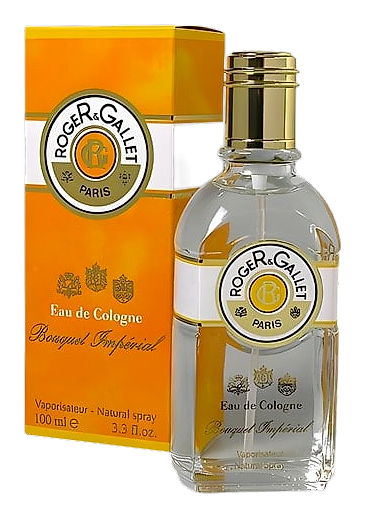
Karine Dubreuil-Sereni created Bouquet Imperial in 1991, drawing from Roger & Gallet's deep well of aromatic tradition. The name says it all, Imperial in scale, a proper bouquet in structure. She balanced the house's citrus-forward heritage with something richer: a classical fougère framework, aromatic herbs anchoring a floral heart. It was an answer to the question of what a refined women's fragrance could be when it refuses to chase trends.
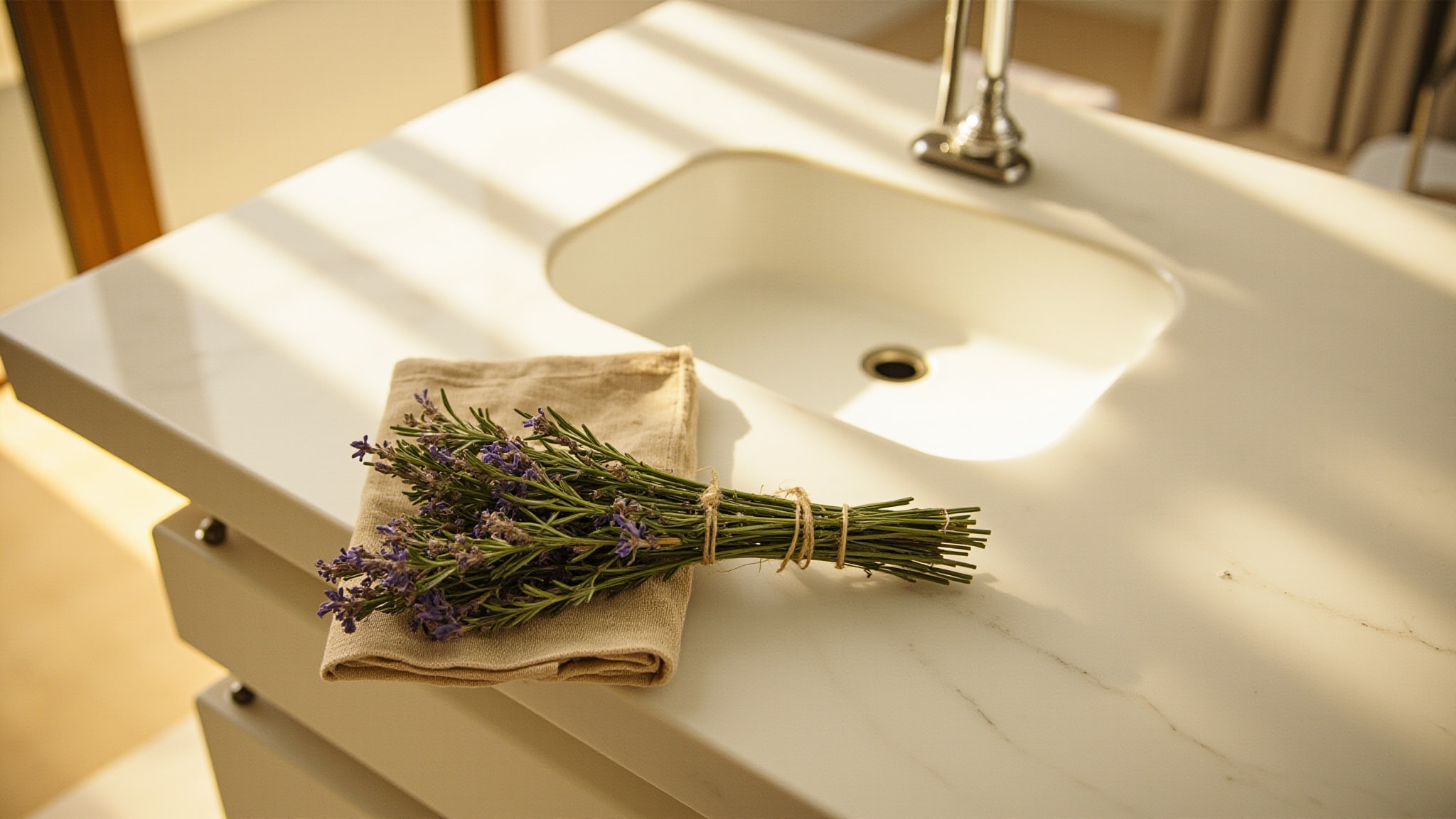
The fougère structure, lavender, geranium, oakmoss, gives Bouquet Imperial a solid backbone that many modern florals skip entirely. That herbal lift in the opening, the way rosemary and anise nudge against the citrus, prevents the usual slide into sweetness. What makes it interesting is the tension: classic construction, restrained execution. Tonka bean keeps the drydown warm without turning gourmand. Cedar provides the foundation without heavy woodiness. It's a fragrance that knows exactly what it is.
The evolution
The opening hits crisp and immediate. Rosemary and lavender arrive together, anise threading a faint spice through the citrus brightness of bergamot and lemon. Within twenty minutes, the florals take over, orange blossom and geranium softening what was sharp, rose adding a quiet warmth that feels deliberate rather than decorative. The drydown is where Bouquet Imperial earns loyalty. Tonka bean emerges slowly, not announcing itself, just gently sweetening the oakmoss and cedar base that follows. On skin, four to six hours. On fabric, longer still, found in the collar of a shirt the next morning, faint and certain.
Cultural impact
Bouquet Imperial arrived in 1991 during an era when women's perfumery was shifting toward bold, sillage-driven compositions. Roger & Gallet's decision to release a restrained, classical fougère reflected the house's commitment to understated elegance over trend-chasing. The fragrance found its audience among women seeking sophistication without announcement, a quiet confidence expressed through citrus, herbs, and warm florals. Its continued appreciation among enthusiasts reflects a broader reevaluation of classical perfumery's merits and a desire for fragrances that prioritize character over projection.