
The Story
Why it exists.
The beginning
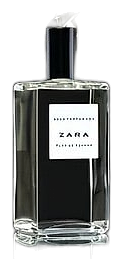
Flor de Azahar means orange blossom in Spanish, a direct reference to the fragrance's heart material. Launched in 2008 by Zara, developed with Spanish fragrance house Puig, this was part of the Agua Parfumada collection: three scents built around simplicity and restraint. The scent opens with the freshness of orange leaves, moving into a generous orange blossom heart before settling into white musk. It's a study in restraint, letting the blossom carry the composition rather than layering it with competing elements. The structure stays true to its name, with each note appearing clearly without obscuring what comes next. This is the smell of the blossom itself, translated into something you can wear.
Petitgrain as an opening note is underrated. It's the leaf, not the flower, and it carries a green bitterness that orange blossom alone cannot provide. The heart note, orange blossom absolute, is waxy and warm, bringing a creamy texture that feels almost tangible against the skin. The combination creates something that reads as botanical rather than purely floral. This is not a clean laundry scent. It's closer to the smell of skin after a morning in a citrus grove: grounded, warm, with a natural quality that synthetic accords struggle to replicate.
The evolution
The opening hits fast, petitgrain's green, slightly bitter citrus arriving within seconds, like crushing a leaf between your fingers. Thirty minutes in, the orange blossom emerges, sweeter and softer, taking the edge off the green. The handoff is not dramatic. It unfolds more like watching morning mist lift from a grove, the sharper top notes gradually yielding to the floral heart. By the second hour, the musk has settled into the base, warming against the skin rather than projecting outward. What remains is a quiet, powdery warmth that stays close and intimate, a presence that neither overwhelms nor disappears. On fabric, the drydown extends further, with the scent remaining noticeable through several hours of wear, becoming most apparent when someone comes close.
Cultural impact
Flor de Azahar sits in an interesting space, neither mass-market citrus nor niche white floral. It occupies a middle ground that was less common when it launched, offering something more considered than typical designer releases. For those who remember it, it holds a particular place among Zara fragrances, representing a moment when the brand produced something with genuine olfactory character rather than simply following trends. The scent stands apart from later releases, appealing to those who appreciate orange blossom in a form that feels honest rather than embellished.