The Story
Why it exists.
The beginning
O Boticário launched Dreams in 1991, a moment when Brazilian perfumery was establishing its own vocabulary. The brand had grown from a pharmacy in Curitiba into a national fragrance house, and Dreams represented a specific ambition: a green-floral that felt rooted in Brazilian botanical identity without reaching for European references. The name itself was a statement of intent. This was about aspiration, translated into scent.
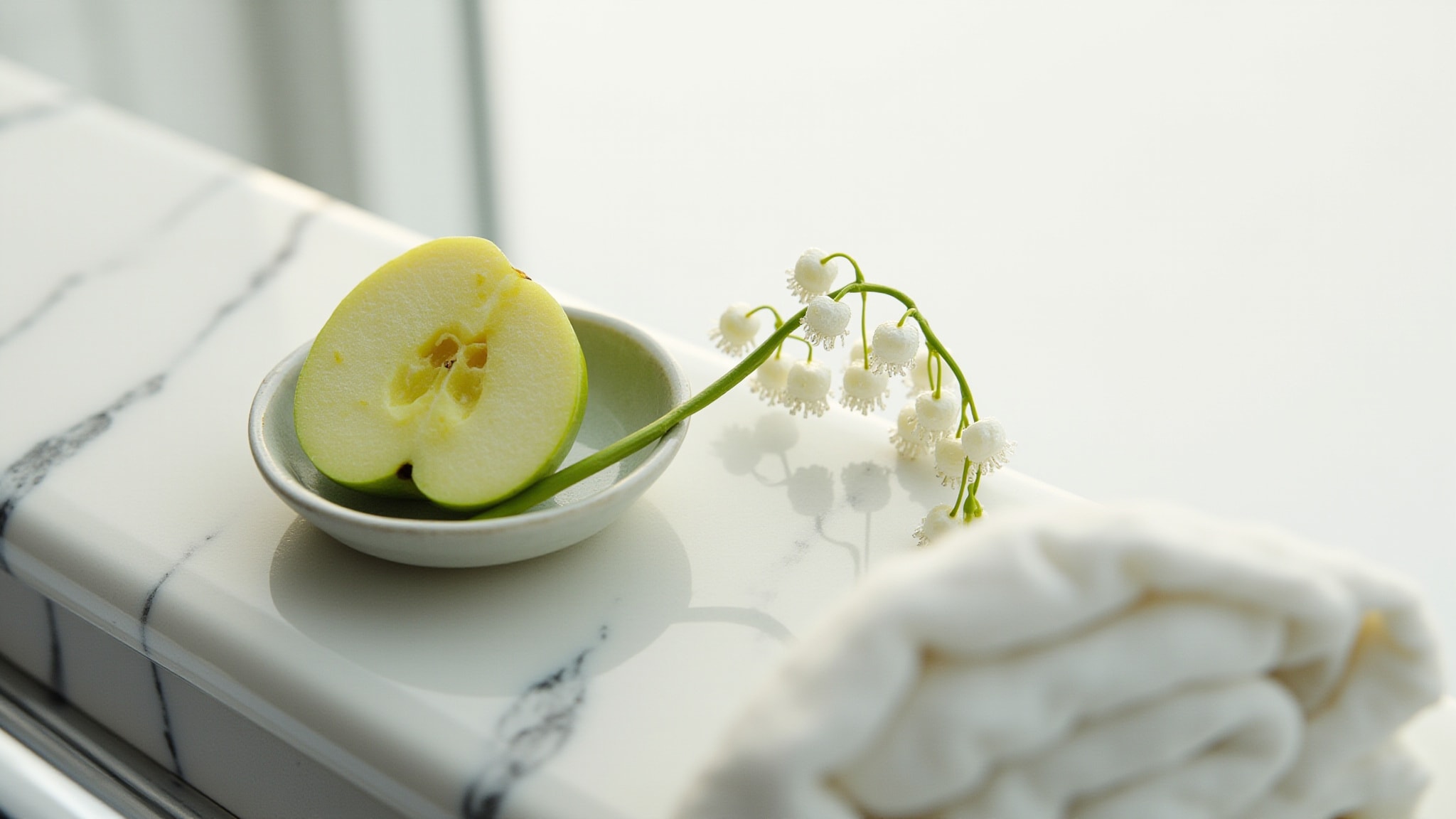
What makes Dreams structurally interesting is the green-floral-powdery axis it builds around. The green notes and bergamot open sharp and immediate. The apple adds sweetness that stays green rather than ripe. At the heart, rose and violet deliver the powdery florality that grounds the composition, while lily of the valley keeps everything clean underneath. The real distinction is in the base. Musk and sandalwood create warmth without heaviness, and the vanilla threads through as soft comfort rather than dessert-level sweetness. The spicy notes add a quiet complexity that keeps the drydown from disappearing entirely.
The evolution
The green notes arrive immediately, crisp and garden-wet. Bergamot and apple create an opening that is bright without being citrus-screaming. For the first thirty minutes, this is all freshness and green clarity. Then the florals take over. Rose and violet shift the character toward powdery territory. The transition is smooth but noticeable, like a garden in morning light giving way to something more intimate. The lily of the valley keeps the florals from becoming heavy, adding a clean undertone that prevents overload. By the third hour, the base notes arrive. Musk wraps closest to the skin, sandalwood adds warmth, and vanilla provides just enough sweetness to extend the experience without overwhelming. The spicy notes linger at the edges. On fabric, this can persist into the evening. The sillage stays moderate throughout, intimate rather than announced. This is a fragrance that requires someone to lean in.
Cultural impact
Dreams arrived in 1991 as part of a generation of Brazilian fragrances building identity beyond imported luxury. Its green-floral-powdery character positioned it as elegant and accessible, capturing an era when O Boticário was expanding from pharmacy origins into serious perfumery. The fragrance has remained a reference point for the house's approach to classic, wearable florals with a botanical edge.