The Story
Why it exists.
The beginning
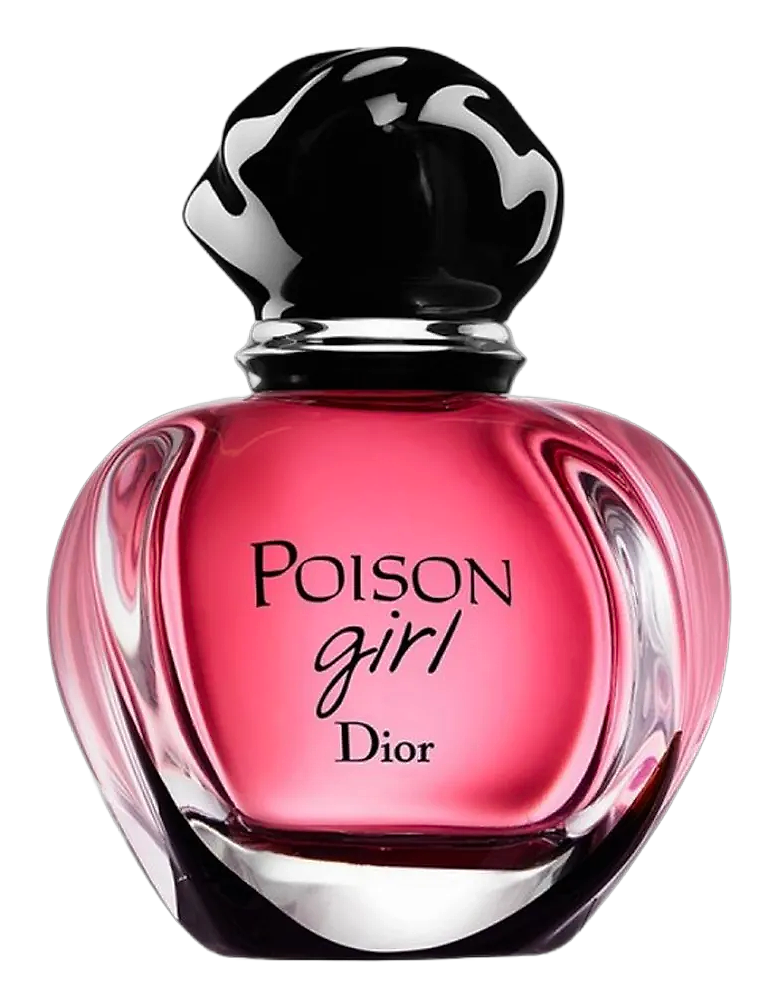
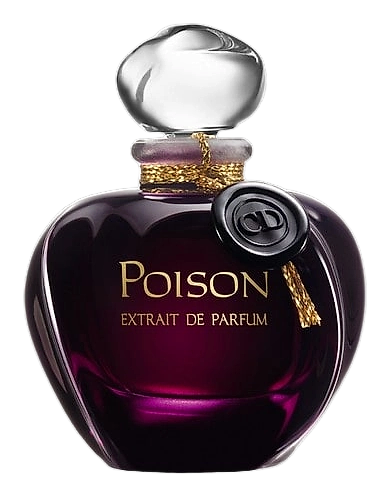
The original Poison arrived in 1986 and immediately divided opinion. It was too much, too much tuberose, too much presence, too much woman. Thirty years later, François Demachy returned to the concept with a different question: what if we made it even more? Not louder, but deeper. The Extrait format gave him the tools. With Parfum concentration, sensuality could be concentrated rather than amplified, taking a legendary accord and intensifying its most controversial quality, the animalic warmth of white florals that border on confrontation. Poison Extrait de Parfum was built for those who understood the original and wanted more of that specific trouble.
The structure is almost deceptively simple. Four notes: coriander, May rose absolute, tuberose absolute, vanilla. On paper, it looks restrained. In the air, it reads as abundance. The trick is in the absolutes, both the rose and the tuberose are extracted at maximum concentration, meaning their natural animalic facets come forward rather than being softened by processing. Where many white floral fragrances strip away the slightly dirty, slightly green base of the tuberose to make it more palatable, Demachy kept it. The result is a fragrance that smells expensive and dangerous in equal measure, not because of complexity, but because of intention.
The evolution
The opening arrives sharp and brief. Coriander sweeps through like a sudden current of air, cutting through whatever else was happening before it arrived. Within minutes, the flowers take over, and this is where Poison earns its name. The tuberose absolute doesn't unfold gently. It blooms all at once, thick and lush and edged with something that isn't quite sweet. May rose absolute adds a honeyed warmth underneath, but it's the tuberose that dominates, creamy and opulent and slightly confrontational. Then vanilla arrives, slowly. It doesn't soften the florals so much as it wraps around them, holding them close to the skin. The drydown is intimate, you smell it, and so does anyone within hugging distance. On fabric, the florals eventually fade, but the vanilla base clings. On skin, ten hours passes and it's still there, quiet and warm and present.
Cultural impact
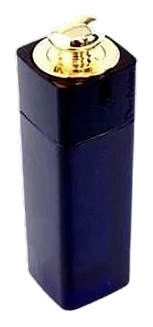
The Dior Les Extraits collection, launched in Spring 2014, presented five cult fragrances reimagined as parfum extraits, including this version of Poison. Where the 1986 original had already been considered boldly confrontational, the Extrait brought the concept to its logical extreme. Among fragrance enthusiasts, it's regarded as the definitive Poison, the one that delivers the full effect without dilution.