The Story
Why it exists.
The beginning
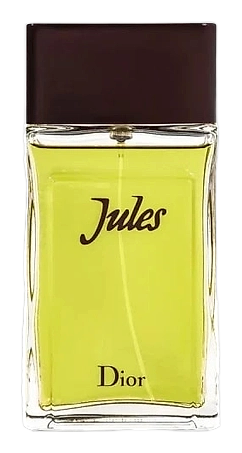
Dior launched Jules in 1980 as the house second masculine fragrance, naming it after the French slang for a lover or seducer. The original was a fougere built around lavender and oakmoss, reflecting the bold masculine codes of its era. When Jean Martel took on the 2016 reinterpretation, he faced the challenge of modernising a heritage scent for a European market that had shifted toward fresher, more versatile compositions. Rather than nostalgically recreating the 1980s original, Martel chose to build a new olfactory identity while preserving the name playful audacity.
Martel approach to Jules 2016 reflects a philosophy of controlled contrast. By pairing sharp galbanum with soft cyclamen and grounding both with pine and cedarwood, he created a fragrance that operates across multiple axes: green versus floral, sharp versus soft, aromatic versus woody. The hedione in the heart serves a bridging function, its transparency easing the transition from the assertive opening to the grounded base. Black pepper was likely chosen to add masculine warmth without the sweetness of spices like cardamom or saffron. The result is a composition where each phase has distinct character while maintaining overall coherence.
The evolution
The 2016 Jules opens with galbanum, a green note borrowed from the chypre family that provides immediate aromatic impact without resorting to citrus. Herbaceous notes reinforce this opening phase, creating a natural, plant-like first impression. As the fragrance progresses, cyclamen enters the heart, introducing an unusual floral softness that subverts expectations of masculine composition. Hedione, a synthetic jasmine molecule prized for its transparency, smooths the transition while black pepper adds subtle warmth and complexity. The drydown anchors the narrative in coniferous territory with pine, elevated by leather and cedarwood to create a forest-like conclusion that feels grounded and lasting.
Cultural impact
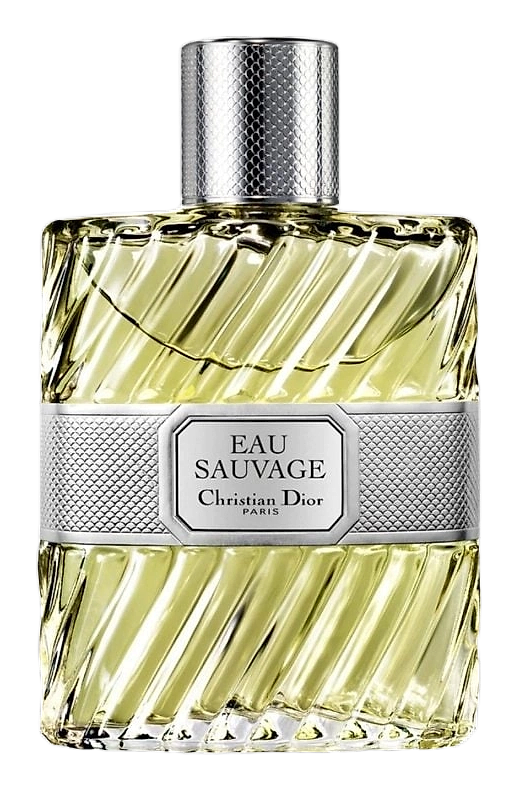
Since its 2016 revival, Jules has become a quiet staple for men who appreciate Dior’s heritage of refined masculinity without the overt sportiness of Sauvage. Wearers note its ability to sit comfortably in both boardroom and evening settings, positioning it as a versatile bridge between classic couture and contemporary confidence. Its green‑leather signature often draws comparisons to the house’s earlier Eau Sauvage, yet it stands apart with a distinctly modern peppery edge.