






Heritage
A house, in its own words
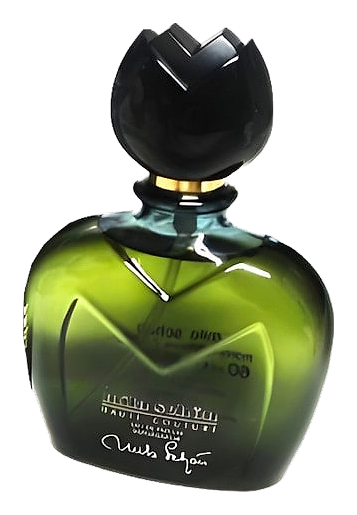
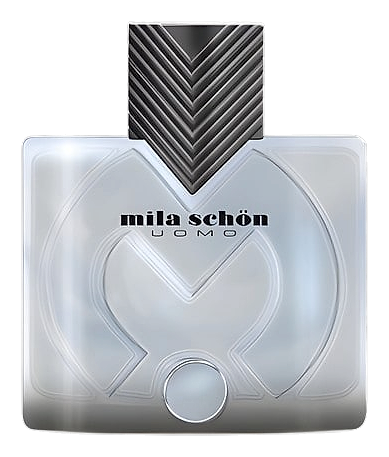
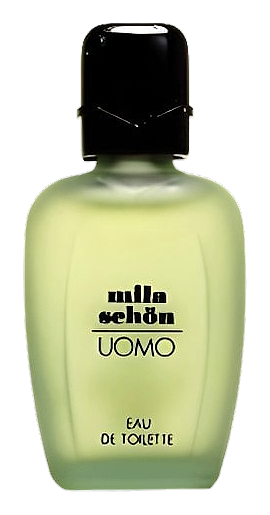
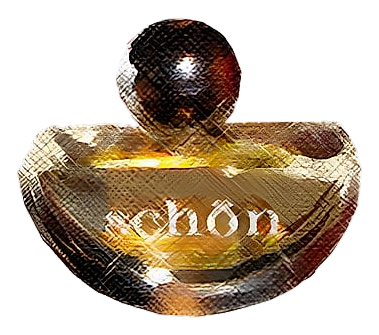
Mila Schön arrived on the Italian fashion scene in the late 1950s, establishing herself among a generation of designers who redefined postwar elegance. Born with Dalmatian heritage, she brought a distinctive sensibility to Italian couture, emphasizing precision tailoring and sophisticated restraint at a time when bolder silhouettes dominated. Her rise coincided with the emergence of Milan as a fashion capital, and the label quickly became associated with clientele who valued discretion over ostentation. The house distinguished itself through innovative fabric treatments, particularly its use of reversible wool that allowed wearers to adapt garments across settings. This practical ingenuity reflected Schön's broader philosophy that luxury should serve modern life rather than merely signify it. Her atelier produced pieces that combined structural rigor with feminine grace, attracting women who required clothing to function across demanding schedules. The fragrance arm appeared in 1981, coinciding with the house's mature period when its design vocabulary was fully formed. The earliest releases, including the eponymous Mila Schön and the companion scent Haute Couture, articulated the brand's aesthetic through olfactory means. Subsequent decades brought additional flankers and variations, including the 1986 masculine release Mila Schön Uomo and later entries like Schön in 1997. The brand maintained a measured release schedule, avoiding the rapid expansion that diluted many contemporary houses. Following a quieter period, 2019 brought renewed attention when the house announced plans for a reboot centered in Milan. Vogue documented this revival as part of a broader interest in heritage fashion brands, noting how contemporary consumers sought the qualities that originally distinguished houses like Mila Schön. The return represented not merely commercial opportunity but a recognition that the house's original vision possessed enduring relevance. The Mila Schön approach to design emerged from a conviction that elegance required neither decoration nor excess. Schön believed that well-constructed garments possessed their own beauty, one that emerged from proportion, fabric quality, and the precision of execution. This philosophy extended naturally to fragrance, where the house sought to create scents of similar restraint and intelligence. Central to the brand's thinking was the concept of clothing as armor for modern women navigating complex lives. Schön designed for clients who moved between professional and social contexts, requiring versatility without sacrificing sophistication. Her pieces communicated authority and refinement through understatement rather than obvious luxury signals. The fragrances appear to have pursued comparable goals, offering presence without proclamation. The house rejected the notion that fashion should follow rigid seasonal dictates. Instead, Schön advocated for timelessness, creating pieces designed to remain relevant across years rather than specific moments. This temporal independence shaped both the clothing and fragrance lines, where classic construction took precedence over trend-chasing. The 1981 original fragrance and its subsequent flankers demonstrate this philosophy, with compositions that prioritize balance and longevity over novelty. The brand's 2019 revival reinforced these values, positioning the house as an alternative to the maximalism that had dominated fashion in preceding decades. Rather than competing on novelty, the revived label emphasized the enduring qualities that originally distinguished it, suggesting that its philosophy had anticipated contemporary preferences for considered consumption and authentic luxury.