
The Story
Why it exists.
The beginning
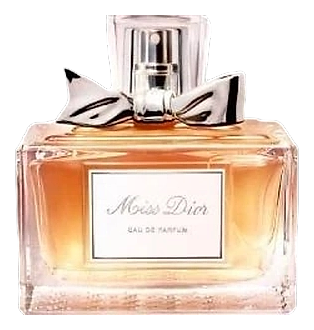
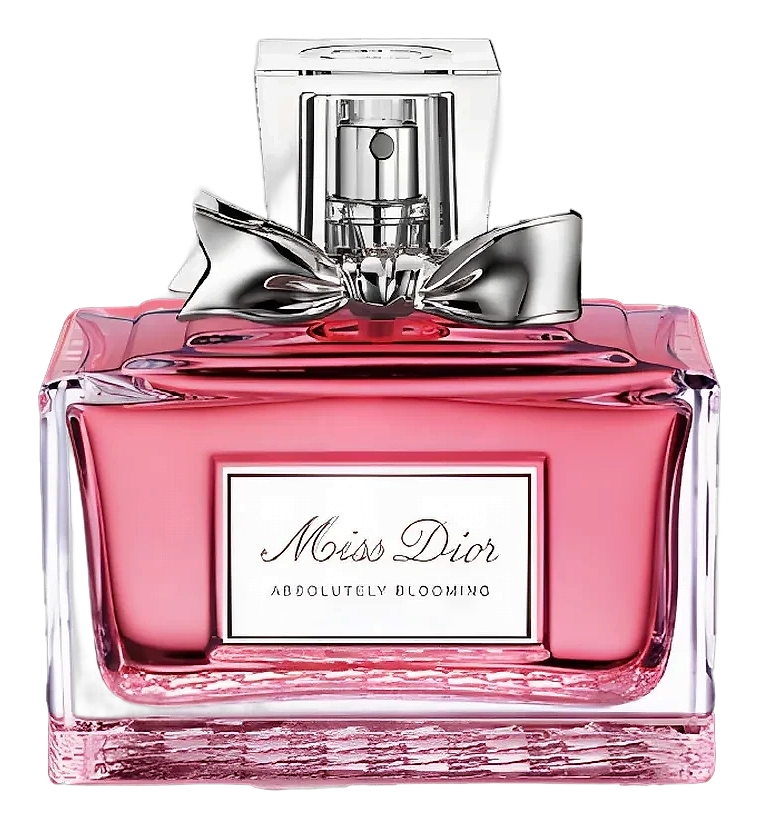
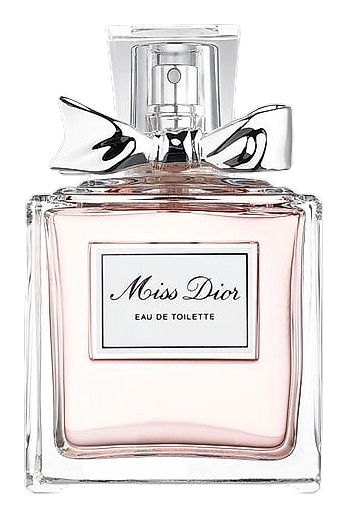
The name says it all. Christian Dior launched this fragrance in 1947, the same year he showed his revolutionary New Look, the collection that redefined postwar women's fashion. He called Miss Dior 'the fragrant finishing touch on a dress.' Not an afterthought. Not an accessory. The final word. Paul Vacher, Jean Carles, and Serge Heftler Louiche built a chypre around green galbanum and bergamot, layered white florals over oakmoss and patchouli, and delivered something that smelled like the moment Christian Dior decided perfume wasn't just a nice-to-have. It was the signature.
What makes Miss Dior different from every floral that came after is its structure. The galbanum at the top isn't decoration, it's the backbone. It gives the gardenia and jasmine something to push against, keeps the rose from becoming syrupy, and lets the oakmoss do what oakmoss does best: anchor everything in earth, in presence. Patchouli in 1947 wasn't the sweet vanilla-patchouli it became in later decades. It was raw, almost medicinal, the kind of patchouli that smells like soil after rain. That's the difference between this and a modern floral, the base actually holds its ground.
The evolution
The opening hits bright and green, galbanum cutting through the bergamot like a garden gate swinging open. Within minutes, the gardenia blooms. This is the phase that defines the fragrance for most wearers: opulent white florals, jasmine doing jasmine things, the Bulgarian rose surfacing quietly beneath. It stays here for a few hours, floral and assertive, the kind of presence that announces before you arrive. Then the drydown. Oakmoss and patchouli take over slowly, the florals receding not vanishing, they leave a sweetness behind, almost honeyed, as the chypre structure closes around the skin. The patchouli persists longest, sitting close and warm, and on fabric it can hold until the next morning.
Cultural impact
Miss Dior is one of the foundational texts of modern perfumery. The 1947 chypre structure, green galbanum over white florals over oakmoss and patchouli, became a template that countless fragrances have borrowed from, even if they don't say so. It sits in the lineage of fragrances that defined what a luxury women's scent could be: structured, confident, built to last an evening and remembered the next morning.