The Story
Why it exists.
The beginning
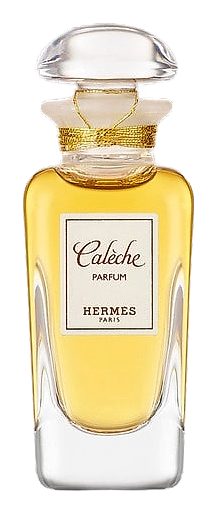
In 1961, Guy Robert composed Caleche as Hermès's first fragrance for women. The name refers to the calèche, the elegant horse-drawn carriage synonymous with Parisian sophistication. Robert wanted to translate that heritage into scent: a feminine aldehydic-floral built on gardenia, jasmine, and ylang-ylang that felt both modern and timeless. His architectural approach, heavy on aldehydes and white florals set against a woody-chypre base, was deliberate. This was Hermès entering perfumery with intention, not as an afterthought.
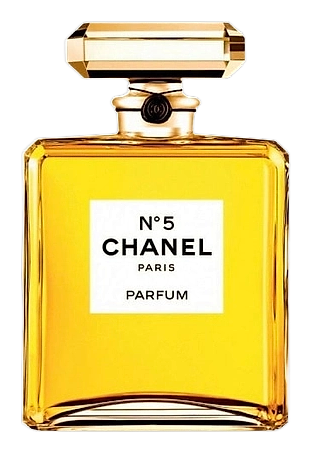
The aldehydic-floral form has deep roots in French perfumery. Chanel No. 5 established the template in 1921. But Caleche finds its own space within that lineage, more restrained, more architectural. The gardenia absolute is the star here, bringing a lush, almost creamy floral quality that can read as soapy in lesser hands. Robert elevated it with orris root and ylang-ylang, using the aldehydes to lift rather than dominate. The result is a fragrance that suggests complexity rather than announcing it. For anyone exploring aldehydic florals, Caleche is a reference point worth understanding.
The evolution
On skin, the aldehydes arrive first, bright, effervescent, with that signature effervescence that cuts through like morning light. The citrus notes (bergamot, lemon, mandarin, neroli) amplify this effect, creating an opening that feels both sharp and luminous. Within minutes, the florals begin to emerge. Gardenia leads the heart, joined by jasmine, ylang-ylang, and rose. The lily of the valley and orris root add a powdery, slightly green counterpoint that gives the composition its architectural depth. The heart is substantial, it lasts for hours. The base settles into something quieter and more intimate: sandalwood, vetiver, tonka bean, and a whisper of musk that clings close to the skin. The sillage is moderate but the longevity is not, eight to ten hours on most skin types, with a drydown that lingers into the next day as a soft skin-musk presence.
Cultural impact
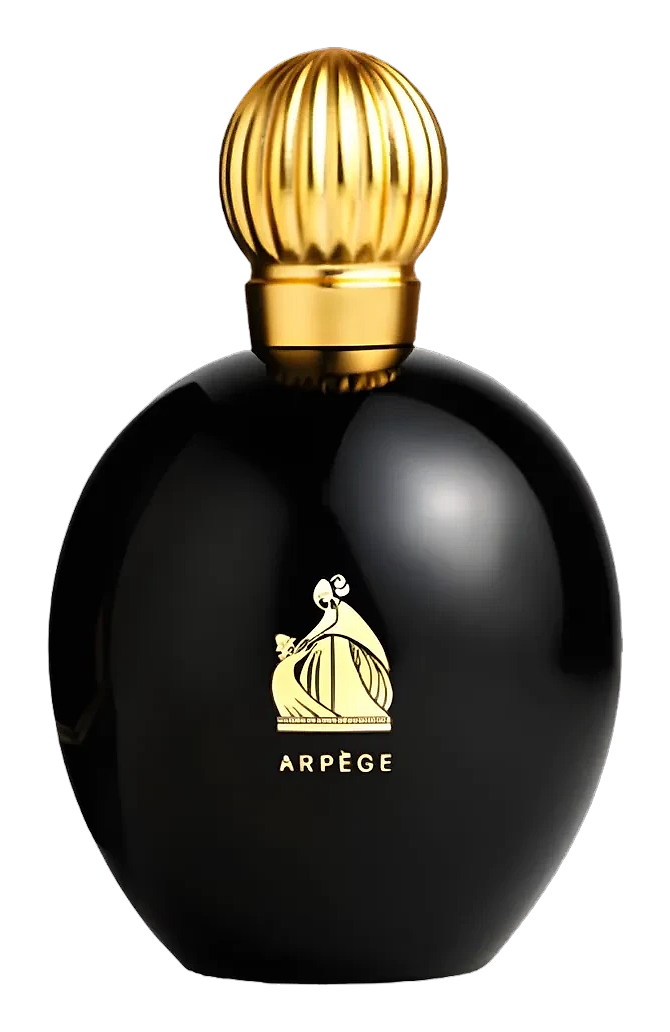
Caleche belongs to the aldehydic-floral tradition alongside classics like Chanel No. 5 from 1921 and Lanvin Arpège from 1927, though it carries its own distinctly Hermès character. Since its 1961 launch, it has remained in production as a reference point for powdery floral fragrances. The composition reads as sophisticated rather than bold, appealing to someone who doesn't need to announce themselves.